


 |
 |

|

|

|
 |
 |
 |
 |
 |
 |
 |
 |
 |
|
|
 |
 |

|
 |
 |
 |
 |
 |
 |
 |
 |
 |

|

|
 Headlines 911 Full Year 2025
  Al Peia Facebook Posts

 ;
;

 Brief Summary 'All About Al Peia'
 Headlines 911 Full Year 2025
Headlines 911 Full Year 2024
Headlines 911 Full Year 2025
Headlines 911 Full Year 2024 



U.S.
District Court for the District of Connecticut - 152 F. Supp. 2d 226
(D. Conn. 2001) 152 F. Supp. 2d 226 (2001) Albert L.
PEIA, Plaintiff, No. Civ. 3:00cv2310 (PCD). United States District Court, D.
Connecticut. May 22, 2001. *227 *228 *229
Albert L. Peia, Reseda, CA, pro se. Ann M. Nevins, U.S. Attorney's Office, Bridgeport, CT, for U.S. Timothy D. Miltenberger, Coan, Lewendon, Royston & Gulliver,
New Haven, CT, for Richard M. Coan. DORSEY, Senior District Judge. The United States moves to dismiss all Plaintiff's claims. The
motion is granted. Plaintiff, pro se, sues under the Racketeer Influenced
and Corrupt Organization Act ("RICO"), 18 U.S.C. §§
1961-1968, and the Federal Tort Claims Act ("FTCA"), 28
U.S.C. §§ 1291, 1346, 1402, 2401-2402, 2411-2412,
2671-2680. This court has subject matter jurisdiction pursuant to 18
U.S.C. § 1964(a) and 28 U.S.C. §§ 1331, 1346(b) (1). The facts are taken as alleged in the complaint[1].
Plaintiff alleges a broad-ranging conspiracy involving the United
States of America, the U.S. Bankruptcy Courts, various U.S. District
Court Judges, various U.S. Bankruptcy Trustees, the U.S. Attorney's
Office, Donald Trump, the FBI, and fifteen John Doe defendants. The
scheme involves the United States laundering proceeds from illegal
drug sales through the New Jersey casinos of Donald Trump and
systematically defrauding bankruptcy creditors and debtors through
the theft of property and surplus funds generated through bankruptcy
sales. Plaintiff further alleges fraud and a massive cover-up,
effected by misrepresenting court proceedings and removing court
documents, as part of the underlying crimes that give rise to his
civil RICO claims. In 1987, Plaintiff commenced an action alleging civil RICO
violations in the U.S. District Court for the District of New Jersey
to recover money owed to him by a Mr. Dilena. The case was assigned
to District Judge Maryanne Trump Barry[2]. The thrust of
his claim was that Mr. Dilena diverted funds owed to Plaintiff and
comingled them with illicit drug profits that were then laundered
through the Trump casinos. Contemporaneous to the 1987 RICO action,
Plaintiff claims that he informed Assistant U.S. Attorney Jonathan
Lacey of the RICO scheme and provided him with documents to support
his theory. After no answer from Mr. Lacey for several months,
Plaintiff learned Mr. Lacey was no longer with the U.S. Attorney's
office and that his documents could not be found. Plaintiff
delivered another package of the same documents several months later
to U.S. Attorney Sam Alito.[3] After no contact for
several months Plaintiff learned that Mr. Alito was no longer
working in the U.S. Attorney's office and that his documents could
not be located. Plaintiff then attempted to tell his story to agents
of the FBI, but they were not receptive. As a result of deliberately slow proceedings in his 1987 RICO
action, Plaintiff filed for bankruptcy in New Jersey in 1988. Later
in 1988, he sought to recuse Judge Barry because she was the sister
of Donald Trump, owner of the Trump Casinos involved in the RICO
scheme. At this time Plaintiff met with then U.S. Bankruptcy Trustee
Hugh Leonard to convince him to join Plaintiff's motion to recuse.
Mr. Leonard declined. The 1987 RICO action was dismissed in 1989. In March 1989, Plaintiff filed a petition for Chapter 13
bankruptcy in Connecticut. In September 1989, this action was
dismissed. Also in September 1989, prior to when his 1989
Connecticut bankruptcy action was dismissed, Plaintiff initiated a
Chapter 7 bankruptcy petition in Virginia. *231 The 1989 Connecticut proceedings were not
consummated according to law, causing Plaintiff an undisclosed yet
substantial financial loss. As a result, Plaintiff sent a notice of
claim, pursuant to the FTCA, to the U.S. Attorney General sometime
in late 1991.[4] Apparently, the United States did not
respond to Plaintiff's notice of claim. In April 1992, Plaintiff filed a second RICO action against Mr.
Dilena and others in the U.S. District Court for the District of
Connecticut. That action eventually was dismissed without prejudice
sometime in 1996. Also in 1992, Plaintiff filed two more separate
Chapter 13 bankruptcy actions in Connecticut. In January 1993, U.S. Bankruptcy Court Chief Judge Alan H.W.
Shiff made false representations regarding a hearing date for one of
Plaintiff's two 1992 Connecticut bankruptcy actions. This happened
during contempt proceedings against Plaintiff for violating a ban on
filing bankruptcy petitions. The contempt charges were eventually
dropped, but not before Plaintiff suffered financial loss due to
fines imposed and due to his inability to proceed with bankruptcy
actions. Judge Shiff's use of fraudulently misdated notices of
hearings was in furtherance of the scheme to conceal money
laundering activities, theft, and bankruptcy fraud. On December 5, 1996, Judge Shiff dismissed Plaintiff's
Connecticut Chapter 13 bankruptcy proceedings.[5] He did
this in furtherance of the RICO conspiracy. As a result of Judge
Shiff's false statements, a separate Chapter 13 bankruptcy
proceeding begun in California was also dismissed. In May 1996, Mr. Richard Coan was appointed U.S. Bankruptcy
Trustee to Plaintiff's bankruptcy estate. Mr. Coan, as part of a
cover-up for the RICO scheme, sold real property belonging to
Plaintiff and in doing so unlawfully withheld surplus funds from the
sale. Mr. Coan was also responsible for the theft of personal
property belonging to Plaintiff. In 1999, Plaintiff commenced an action in the U.S. District Court
for the Central District of California, Peia v. United States,
No. CV 99-02633 (C.D.Cal. Nov. 24, 1999), aff'd, 246 F.3d
675 (9th Cir. 2000) (unpublished), cert. denied, ___ U.S.
___, 121 S. Ct. 1737, 149 L. Ed. 2d 661 (2001), alleging the facts
and injuries above. The action was assigned to District Judge A.
Howard Matz. All claims against the United States were dismissed on
the merits with prejudice. Plaintiff appealed. The appellate court
affirmed the dismissal. Plaintiff now alleges Judge Matz, as part of
the RICO conspiracy, fraudulently misrepresented the proceedings in
Plaintiff's California case. Plaintiff's final allegation is that fifteen John Doe defendants,
presumably employees of the United States, acted in a negligent
manner in furtherance of the RICO scheme. On December 4, 2000, Plaintiff filed the present complaint.
Plaintiff's claims include violations of RICO, theft, fraudulent
concealment, fraudulent misrepresentation[6], and failure
to supervise. The United *232 States now moves to
dismiss. Plaintiff opposes the motion. The United States improperly moves to dismiss all Plaintiff's
claims under FED.R.CIV.P. 12(b) (6), arguing in part the statute of
limitations and res judicata. A motion to dismiss under FED.R.CIV.P.
12(b) (6) looks to the sufficiency of the complaint only. Here the
United States asks the court to consider other facts, namely, the
date the present complaint was filed and the contents of the
complaint in the 1999 lawsuit. When moving to dismiss based on facts
beyond the bare face of the complaint, the motion is properly
pursuant to FED.R.CIV.P. 12(c), judgment on the pleadings. The
United States's motion is construed as such. Upon motion for
judgment on the pleadings, pursuant to FED. R.CIV.P. 12(c), the
court "appl[ies] the same standard as that applicable to a
motion under Rule 12(b) (6)." Sheppard v. Beerman, 18
F.3d 147, 150 (2d Cir.1994). A complaint may not be dismissed under Rule 12(b) (6) unless the
movant demonstrates "beyond doubt that the plaintiff can prove
no set of facts in support of his claim which would entitle him to
relief." Conley v. Gibson, 355
U.S. 41, 45-46, 78 S. Ct. 99, 2 L. Ed. 2d 80 (1957); see
FED.R.CIV.P. 12(b) (6). The factual allegations are presumed to be
true, and all factual inferences are to be drawn in Plaintiff's
favor. See Hishon v. King & Spalding, 467
U.S. 69, 73, 104 S. Ct. 2229, 81 L. Ed. 2d 59 (1984). As a pro
se party, Plaintiff is entitled to some deference in meeting
pleading requirements. See Haines v. Kerner, 404
U.S. 519, 520, 92 S. Ct. 594, 30 L. Ed. 2d 652 (1972) (per
curiam). The present action was filed on December 4, 2000. The statute of
limitations for civil RICO claims is four years. Agency Holding
Corp. v. Malley-Duff & Assocs., Inc., 483
U.S. 143, 156, 107 S. Ct. 2759, 97 L. Ed. 2d 121 (1987). All of
the activity in all counts of the complaint, with the exception of
Judge Matz's 1999 alleged misrepresentation of the record and Judge
Shiff's 1996 order of dismissal, occurred on or before December 4,
1996. Accordingly, all civil RICO claims, other than arising from
either of these two events, are time-barred[7]. The statute of limitations for FTCA claims is two years. 28
U.S.C. § 2401(b). All of the activity in all counts of the
complaint, with the exception of Judge Matz's 1999 alleged
misrepresentation of the record, occurred on or before December 4,
1998. Accordingly, all FTCA claims, other than arising from this
dismissal, are time-barred. Plaintiff argues that the doctrines of fraudulent concealment,
equitable estoppel, and equitable tolling preclude any of his claims
from being time-barred. As to the doctrine of fraudulent
concealment, "[t]he doctrine is properly invoked only if a
plaintiff establishes affirmative conduct upon the part of the
defendant which would, under the circumstances of the case, lead a
reasonable person to believe that he did not have a claim for
relief." Pincay v. Andrews, 238 F.3d 1106, 1110 (9th
Cir.2001) (quoting Volk v. D.A. Davidson & Co., 816
F.2d 1406, 1415 (9th *233 Cir.1987)). While
Plaintiff does allege separate acts of fraud and concealment of
documents by the United States, those acts serve as the basis for
establishment of his claims, rather than conduct that led Plaintiff
to reasonably believe he did not have a claim as the exception
requires. As to the doctrine of equitable estoppel, "equitable
estoppel is invoked in cases where the plaintiff knew of the
existence of his cause of action, but the defendant's conduct caused
him to delay bringing his lawsuit." Dillman v. Combustion
Eng'g, Inc., 784 F.2d 57, 61 (2d Cir.1986) (quoting Cerbone
v. Int'l Ladies' Garment Workers' Union, 768 F.2d 45, 50 (2d
Cir. 1985)). Plaintiff does not allege that any of the United
States's actions prevented or delayed him from pursuing any claims.
Indeed, Plaintiff seems to be anything but prevented from pursuing
his claims. His own complaint lists no less than nine separate
actions commenced since his discovery of the RICO conspiracy in
1987. As to the doctrine of equitable tolling, "[a] statute of
limitations may be tolled as necessary to avoid inequitable
circumstances. Equitable tolling applies as a matter of fairness
where a [party] has been prevented in some extraordinary way from
exercising his rights." Iavorski v. INS, 232 F.3d 124,
129 (2d Cir.2000) (internal citations and quotation marks omitted
and second alteration in the original). Plaintiff does not allege
any circumstances that would have prevented him from filing any
claims at any time. The United States moves to dismiss Plaintiff's entire complaint
on the basis of res judicata because all his claims have previously
reached a final judgment on the merits. "Res judicata ... makes
a final, valid judgment conclusive on the parties, and those in
privity with them, as to all matters, fact and law, [that] were or
should have been adjudicated in the proceeding." Waldman v.
Village of Kiryas Joel, 207 F.3d 105, 108 (2d Cir.2000)
(citation omitted and alterations in the original). Prior suits
involving the same claim or common nucleus of operative facts have a
claim preclusive effect on all subsequent suits, barring further
litigation. Waldman, 207 F.3d 105. "To ascertain
whether two actions spring from the same `transaction' or `claim,'
we look to whether the underlying facts are related in time, space,
origin, or motivation, whether they form a convenient trial unit,
and whether their treatment as a unit conforms to the parties'
expectations...." Id. at 108 (citation omitted). Upon examination, Plaintiff's first amended complaint in his 1999
California action, Peia v. United State, No. CV 99-02633
(C.D.Cal. Nov. 24, 1999), alleged that Judge Shiff's 1996 order of
dismissal was the basis for civil RICO claims. This common nucleus
of operative facts between the suits (and indeed common legal
claims) precludes his present civil RICO claim against the United
States and the U.S. Bankruptcy Courts based on Judge Shiff's 1996
order of dismissal.[8] *234 Plaintiff asserts that the pendency of his
petition for a writ of certiorari to the U.S. Supreme Court from the
Ninth Circuit's affirmation of the dismissal of his California
action precludes it from being a final judgment[9]. His
argument fails. The pendency of an appeal does not suspend the
claim-preclusive effect of a final judgment from a lower court.
Prager v. El Paso Nat'l Bank, 417 F.2d 1111, 1112 (5th
Cir.1969) (per curiam). Plaintiff further asserts that "a federal court's dismissal
of suit `on the merits' based on statute of limitations doesn't
necessarily have claim-preclusive effect in another state."
Plaintiff cites to Semtek International Inc. v. Lockheed Martin
Corp., 531
U.S. 497, 121 S. Ct. 1021, 149 L. Ed. 2d 32 (2001), in support
of his assertion. While this proposition is true in limited
instances, Plaintiff's reliance on this case is misplaced. The
present case is distinguishable from Semtek International,
which dealt with state law claims brought to federal court under
diversity jurisdiction. When claims are brought under diversity
jurisdiction, the statute of limitations period may vary in
districts located in different states. However, when claims are
brought under RICO the statute of limitations period will not vary
from district to district.[10]See Agency Holding
Corp., 483 U.S. at 149, 107 S. Ct. 2759. In the present case
all Plaintiff's claims are brought under RICO and the FTCA, making
Semtek International inapplicable. Plaintiff alleges that the United States, acting through the U.S.
Bankruptcy Court for the District of Connecticut, engaged in a
pattern of conduct that included inter alia money
laundering, obstruction of justice, bribery, racketeering, theft,
fraud, and misrepresentation. Plaintiff further alleges that these
actions give rise to a private right of action against the United
States under 18 U.S.C. § 1964. His argument fails. The civil
remedy provision of RICO, 18 U.S.C. § 1964, grants a private
right of action to a person whose property is injured by reason of a
violation of 18 U.S.C. § 1962. Violations of 18 U.S.C. §
1962 must be committed by a person, as defined by 18 U.S.C. §
1961(3). The United States is not considered a person under RICO and
therefore as a matter of law is not a proper party to Plaintiff's
RICO claim. See United States v. Bonanno Organized Crime Family
of La Cosa Nostra, 879 F.2d 20, 21-27 (2d Cir.1989).
Plaintiff's civil RICO claim against the United States arising out
of Judge Matz's 1999 alleged misrepresentation of the record is
dismissed.[11] With the dismissal of many of Plaintiff's claims due to the
statutes of limitations, the dismissal of the civil RICO claim
arising out of Judge Shiff's 1996 order of dismissal due to res
judicata, and the dismissal of the civil RICO claim arising out of
Judge Matz's 1999 alleged misrepresentation of the record because
the United States is not a proper party to a civil RICO claim, the
only remaining claim is the FTCA claim against the United States
arising out of Judge Matz's 1999 alleged misrepresentation of the
record. "[J]udicial immunity is an immunity from suit ... not
overcome by allegations of bad faith or malice...." Mireles
v. Waco, 502 U.S. 9, 11, 112 S. Ct. 286, 116 L. Ed. 2d 9 (1991)
(per curiam) (internal citations omitted). "This immunity
applies even when the judge is accused of acting maliciously and
corruptly...." Pierson v. Ray, 386
U.S. 547, 554, 87 S. Ct. 1213, 18 L. Ed. 2d 288 (1967),
overruled on other grounds by Harlow v. Fitzgerald, 457
U.S. 800, 102 S. Ct. 2727, 73 L. Ed. 2d 396 (1982). Judicial immunity may only be overcome if the actions complained
of are nonjudicial in nature or are performed in "the complete
absence of all jurisdiction." Mireles, 502 U.S. at 11,
112 S. Ct. 286. Judge Matz's representation of the record of
proceedings in Plaintiff's California case, even if fraudulent and
in furtherance of a massive cover-up, was clearly a judicial act
performed within the jurisdiction of the court. Since Judge Matz's
acts cannot be tortious, the United States cannot be held liable for
the result flowing from them. Plaintiff's final FTCA claim against
the United States arising out of Judge Matz's 1999 alleged
misrepresentation of the record is dismissed.[12] Defendant United States's motion to dismiss, (Dkt. No. 10), is
granted. All claims against the United States and against the U.S.
Bankruptcy Courts are dismissed. SO ORDERED.*
HUFFPOST Seth
Meyers takes 'A Closer Look' Coronavirus disease (COVID-19) 3-12-20
https://youtu.be/-SoZcjMWxm8 https://www.youtube.com/watch?v=-SoZcjMWxm8&feature=youtu.be
https://www.yahoo.com/news/trump-just-gave-worst-speech-204700719.html
“…
He
sounded very much like what one suspects he is: a tired and confused
senior citizen…..” [ How about mentally ill,
mobster/criminal, tired and confused senior citizen ….. Seth
Meyers Takes A Closer Look at a somnolent, incoherent trump on
coronavirus,
etc..
We
are truly, unequivocally in uncharted american insanity courtesy of
mentally ill mobster/criminal trump http://albertpeia.com/anothercrazytrumpcampvid.mp4
https://video.foxnews.com/v/6093878990001#sp=show-clips
http://albertpeia.com/sickopsychotrump.htm
globalnews.ca
https://globalnews.ca/news/4532575/jean-chretien-donald-trump/
Jean
Chretien says rise of Donald Trump heralds end of the American empire
Yes, the beat goes on ... the great fraud continues ... Christian, Biblical, among other scholars refer to the great fraud, whore, fallen america ... Topical Index
First This: Memory/Remember/Living Yes, Something's Bound To Go Wrong Civilized, Educated, Intelligent People In U.S. Say It's Time To Go Now Yes, Civilized, Educated, Intelligent People In U.S. Are Right - It's Time To Go Now trump ... the impeachment [SNL Sketch] trump ... the impeachment cont'd [SNL Sketch] People Including Especially Women and Children Seek Shelter from trump's Malevolence Meanwhile, trump Ignores and Hides his Immigrant Underpinnings/Descent trump's Self-styled Reiteration/Version of 'Black Like Me' [SNL Sketch] Meanwhile, 'Dumb and Dumber' in 'Here Comes Mr. Mueller' [SNL Sketch] Trumpty Dumpty Had A Great Fall trump Shows Holiday Spirit in 'It's a Blunderful Life' [SNL Sketch] Pity america as t_rump takes the nation for a ride Yes ... trump's a lad insane ..... Was there ever any doubt? The Police Are Coming For The Materialistic Criminal trumps trump Says China, Reality Says Porcelain Putin's Message, Reminder, and Love Song to trump Where's Bond, James Bond, When You Need Him? trump Owns The Shutdown...Yes, his plucky (laundered money's like play money) entrepreneurial, capitalistic, mobster spirit on display ( failed trump enterprises ), on advice of son-of-a-mafia consigliere rudy ghouliani t_rump gives them an offer they're duty-bound to refuse [SNL Sketch] A Lot of Disappointed Conservatives, Including Matt Drudge Are Singing This Song To Their Sweetheart Different drums beating along the Potomac where apologies abound for that disaster called trump Cheers in Russia for their little darlin trump trump dancin (lying like a baseturd), not presidenting CNN: Anderson Cooper: Make-believe is fine if you're a kid, but not president Historically crazy time for america SOTU [State Of The Union] COMMENTARY BY STEPHEN COLBERT Vladimir Putin's State Of The Union Response
More State Of The Union COMMENTARY BY STEPHEN COLBERT Regarding trump Threats Therein
Doc Ronny's back -COMMENTARY BY STEPHEN COLBERT
Fake National Emergency - The End Is Near [SNL Sketch] Search Is On for White Padded Room for Mental Case Don trump Mental Deterioration Significantly Worsens ... This is no joke! Who is this windy bag of s**t? Encore ... Ripples, Reverberations, Reflecting barr - cover-up's what he does, cover-up's what they do! Summarizing the mueller report ..... hmmm ... [SNL Sketch] STEPHEN COLBERT Barges In On William Barr's Testimony Trump Has Been Living A Double Life trump claims he knows a lot about wind - COMMENTARY BY STEPHEN COLBERT ... he says just call him WINDYBAG or D-BAG or WINDY REPORT BY STEPHEN COLBERT on the mueller report Yes, he's the very sick don the con! Yes, don the con is sick/very mentally ill! Had to include this one, though somewhat off the mark, still in the spirit of americarazy ... Very funny! [NBC SNL Sketch courtesy Facebook] Seth Meyer Takes 'A Closer Look' ... Well done, very funny! trump's weak end on Weekend Update [SNL] Had to include this one, though somewhat off the mark, still in the spirit of americarazy ... Very funny! [SNL Sketch] Seth Meyer Takes Yet 'Another Closer Look' ... Well done, very funny!
STEPHEN COLBERT: Donald Trump Is A Diagnosed Narcissist
Alec Baldwin's Trump and friends sing 'Don't Stop Me Now' in 'SNL' season finale [CNN Courtesy Intro of SNL Sketch] Don't Stop Me Now Cold Open [SNL Sketch - Complete ] Competition 2020 for trumpzilla https://www.facebook.com/colbertlateshow/videos/948488678866549 Trump-Ukraine Call Log Clearly Demonstrates Quid Pro Quo Demand Then this as well [ El Chapo for president, or any of the heads of the numerous american crime families as trump - what a sick, fraudulent, pathetic, meaningfully lawless nation america surely is:
'...In his investigative biography, Trump: The Deals and the Downfall, reporter Wayne Barrett wrote that Trump's life "intertwines with the underworld," and he outlined the real-estate developer's numerous alleged ties to organized crime...' ]
As In Looks Like A Duck, Acts Like A Duck, Quacks Like A Duck ... Logic Requires We Conclude trump et als Are Criminals Requiring Prosecution, Not Just More Meaningless Rhetoric ..... There's Plenty Of Embarrassment [and hence their coverups] To Go Around DOJ / Judicial / Political Circles, ie., http://www.albertpeia.com/112208opocoan , http://www.albertpeia.com/112208opocoan/ricosummarytoFBIunderpenaltyofperjury.pdf , http://albertpeia.com/fbimartinezcongallard.htm , etc., etc., But No More Excuses The Final Decline and Fall of america in Pictures
Yes ... That's The Same William Barr Up For Another Stint As Attorney General In Meaningfully Lawless america ...Pathetic! Who is this windy bag of s**t? The Final Decline and Fall of america
trump IS SO SICK, SO MENTALLY ILL!
trump Mental Deterioration Significantly Worsens ... This is no joke!
Seeing the light ..... better late than never!
Analysis
Mapping
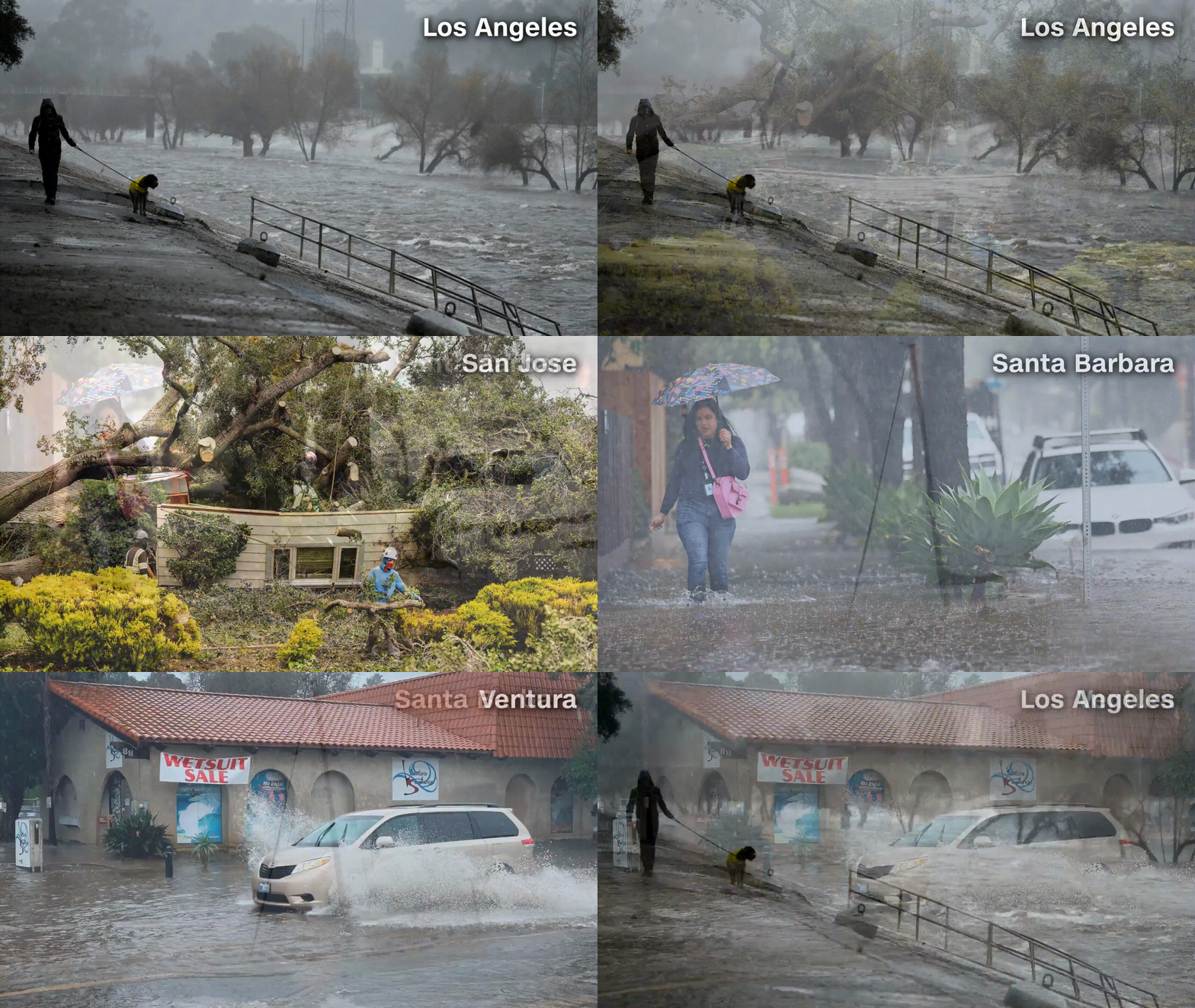
America’s wicked weather and deadly disasters By Tim
Meko
The Species Worthy Of A Greater Planet ...
'I'm
optimistic about the future of Russia. I was
optimistic before this war started in Ukraine, which was instigated by the US,
of course. But in any case, I bought more Russia during the Crimea incident,
and I'm looking to buy still more. Unfortunately,
what's happening is certainly not good for the United States. It's
driving Russia and Asia together, which means we're going to suffer in the long
run - the US and Europe. Another of the big four Chinese banks opened a branch
in Moscow recently. The Iranians are getting closer to the Russians. People are
starting to reexamine the propaganda that comes out of Washington. Even the
Germans are starting to reassess the situation.'; http://albertpeia.com/banzai2-6-15.htm The
following references the corrupt u.s.district court judge matz who ultimately
covers for the asst. u.s. attorney robert lester who, in light of defendant usa's
default, misstates the legal rule at the court hearing (4 pages in pertinent
part): (2-26-15) But, I did
make clear in a response to Senator Boxer that there are Honorable Judges who
uphold their sworn duty to honor constitution and rule of law as follows in
pertinent part: Can you help get the RICO matter resolved. A
small but not insignificant sum would go to LA/CA as set forth in the http://www.albertpeia.com/112208opocoan/ricosummarytoFBIunderpenaltyofperjury.pdf
and likewise, to the U.S. treasury.
RICO Summary to
FBI Under Penalty of Perjury Good guys
do not sadistically torture people. Good guys do not threaten to sexually
abuse the family members of their prisoners, and they certainly do not forcibly
ram things up the rear ends of those in their custody. One of the
greatest dangers that our country is facing is the fact that we are not passing
on what it means to be 'American' to future generations. Once upon a
time, Americans were the good guys. But now, instead of fighting the
Nazis we are behaving just like them. The details of the Senate torture
report that was just released are
almost too horrifying to talk about. We must talk about them though,
because we are losing our soul as a nation. So please be warned ... this
article is going to be quite graphic. The reason for this is so that we
can all take a long, hard, honest look at what we have become. After
everything that has happened, top politicians from both political parties are
still standing up and defending those that conducted and authorized this
torture. The rest of the world is watching this, and the number of people
that are absolutely convinced that America is pure evil is growing by the
day. By not loudly condemning this torture and bringing the perpetrators
to justice, we add fuel to the fire of those that hate this country, and we
make it more likely that Americans will be targets of violence all over the
planet. (Read More...) If the quadrillion dollar derivatives bubble
implodes, who should be stuck with the bill? Well, if the ... too big to
fail ... banks have their way it will be you and I. Right now, lobbyists for
the big Wall Street banks are pushing really hard to include an extremely
insidious provision in a bill that would keep the federal government funded
past the upcoming December 11th deadline. This provision would allow
these big banks to trade derivatives through subsidiaries that are federally
insured by the FDIC. What this would mean is that the big banks would be
able to continue their incredibly reckless derivatives trading without having
to worry about the downside. If they win on their bets, the big banks
would keep all of the profits. If they lose on their bets, the federal
government would come in and bail them out using taxpayer money. In other
words, it would essentially be a ... heads I win, tails you lose ... proposition. (Read More....)
The San Diego Desert Gym, avi file, 2 minutes, 6.9mb The San Diego Desert Gym, wmv file, 2 minutes, 63mb
10-26-15:Desert Gym/Updated Venomous Creatures Killed Count (wmv file 59mb)
10-26-15:Desert Gym/Updated Venomous Creatures Killed Count (mp4 file 34mb)
Year 2023

Year 2022
Fourth Quarter 2022, Al Peia Facebook Posts and Tweets
 News Summaries Full Year 2023
News Summaries 3rd Quarter Year 2023
News Summaries 2nd Quarter Year 2023
News Summaries 1st Quarter Year 2023
This is a timely good one from Seth Meyers. Trump is so sick!
2022
 News Summaries-2022
 Headlines-The End-2023
 Year End 2023 Headless Headlines [In Time For Hallows' Eve]
 Headlines-1st Quarter 2024
 Headlines-1st Half 2024
 Headlines-1st Three Quarters 2024
Headlines 911 Full Year 2024
 Headlines Fit To Print 2023
 Highlights 2023
 Music/Movies 2024
Al Peia Facebook Posts
 Al Peia Twitter Tweets
 Daily Kos Headlines 2024
Daily Kos Headlines 2023
Daily Kos Headlines 2022
 World News By News Organizations (History) Before, As, After It Happens [ HMMM...SOMETHING AWRY...SO HERE'S THEIR ALTERNATIVE SOURCE, FOR THE NONCE World News By News Organizations (History) ]
 Scratch Pad 2023
 S**thole World/America 2023
 Shameless Ads From american Past Harbingers Of american Insanity Today
IN THESE TIMES (OF MORTALLY TROUBLED SCARCITY ESPECIALLY),
THE INELUCTABLE ETERNAL UNIVERSAL TRUTH IS 'THE MOST FOR THE MOST' (NOT THE MOSTEST/MOB FRIENDLY, CELEBRITY FAVORED, ETC.) WHICH IS UNMISTAKABLY THE UNIVERSAL RIGHT WAY!
 Day of Infamy/Thanksgiving/No Thanks Murderous american Thieves
TO KNOW AMERICA*, TO REALLY KNOW AMERICA, IS TO HATE AMERICA; AMERICA IS A TOTAL FRAUD!
*I know America
The Road to Dystopia
I was recently asked if I could choose any country in this world to move to and live in, what country would that be. (It should be noted that almost surprising to me was the ease with which I mastered and garnered an 'A' grade for both linear algebra and management science/decision theory/simplex algorithm which enabled for me, optimal decision making. Of course, information access was the crucial precondition to such optimization, particularly concerning banking, securities, law in america/state of the world such as it is.)
My reply, which I stand by was/is as follows:
'HUMAN NATURE IS A FUNNY THING. KNOWING WHAT I NOW KNOW, I WOULD NOT HAVE BOTHERED WITH MBA FINANCE EVENINGS BANKING/SECURITIES, JD LAW EVENINGS/LEGAL PRACTICE*, BUT RATHER HAVE LEFT MOB INFESTED CORRUPT CRIMINAL SHITHOLE STATE OF NEW JERSEY FOR CALIFORNIA AS A LIFEGUARD FULL-TIME YEAR ROUND AT THE BEACH (UPON COLLEGE GRADUATION B.S.) WHICH WAS A COLLEGE PART-TIME SUMMER JOB IN JERSEY.'
*ALL THINGS CONSIDERED, RETRO, WATCHING/SAVING CALIFORNIA BEACH BABES THE OPTIMAL SCENARIO FOR ME; that said for then, it is not an endorsement of california or america, both now disasters in progress!
Albert Peia Resume 
TIME TO PUT 'LAW IN AMERICA' IN ITS PROPER PERSPECTIVE.
Specifically, much as would be so in an exclusively maximum
security prison environment for convicts of the most serious
crimes, the notion of laws, rules of law is preposterous. Beyond
the propaganda, obfuscation, etc., lies the greatest fraud,
certainly of the 20th and 21st centuries; viz., america.
Anthropologically, america is unequivocally a total,
unmitigated evolutionary disaster.
About Al
Dystopia
WAKE UP WORLD!
"..THE THEN LEADER OF THE OPPOSITION, BENJAMIN NETANYAHU, WAS THE STAR SPEAKER AT TWO NOW INFAMOUS DEMONSTRATIONS, WHERE THE CROWD'S SLOGANS INCLUDED "DEATH TO RABIN". IN JULY 1995, NETANYAHU WALKED AT THE HEAD OF A MOCK FUNERAL PROCESSION FEATURING A FAKE BLACK COFFIN. ISRAEL'S HEAD OF INTERNAL SECURITY ASKED NETANYAHU TO DIAL DOWN THE RHETORIC, WARNING THAT THE PRIME MINISTER'S LIFE WAS IN DANGER. NETANYAHU DECLINED" ..
RABIN WAS A GREAT MAN! netanyahu is a corrupt, criminal piece of shit!
War In Gaza
Israel Bombs Hospital ( First: Chicken or Egg, 6 of 1/half dozen of other, ? )
Morocco Earthquake
Libya Flood
World Heat Wave ... Hmmm
trump effect ... ahah!
Burning Man Disaster ... 1 Dead, 73,000 Stranded


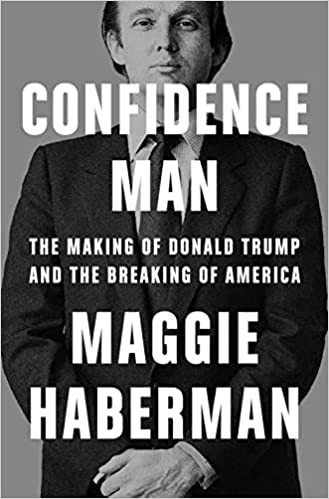
Excerpt: "Can you believe these are my customers? "Donald Trump once asked while surveying the crowd in the Taj Mahal casino's poker room. "Look at those losers," he said to his consultant Tom O'Neil, of people spending money on the floor of the Trump Plaza casino. Visiting the Iowa State Fair as a presidential candidate in 2015, he was astounded that locals fell in line to support him because of a few free rides in his branded helicopter. In the White House, he was sometimes stunned at his own backers' fervor, telling aides, "They're fucking crazy." Yet they loved him and wanted to own a piece of him, and that was what mattered most. Almost immediately after his defeat in 2020, Trump began fundraising off his claims of fraud, turning to his ardent fans for support..."
The american road
Crazy donald trump
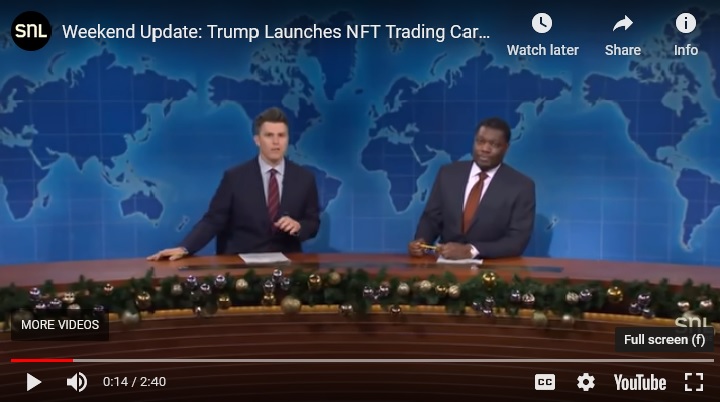
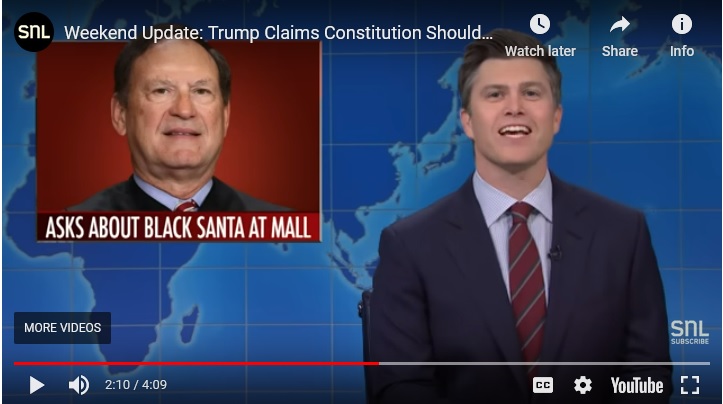
alito/black santa/trump says terminate constitution
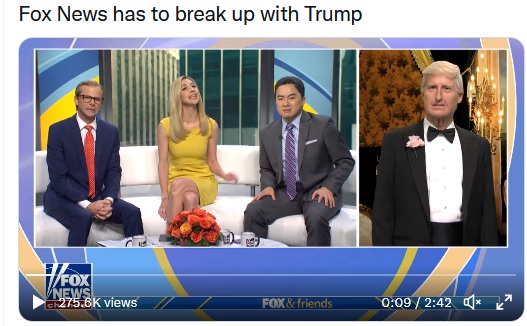
Fox News has to break up with Trumpt
Trump the Self-proclaimed "Stable Genius" aka DonTheCon
Scammer DonTheCon - The Sucker Is You!
Escalating Crime in the Crimea

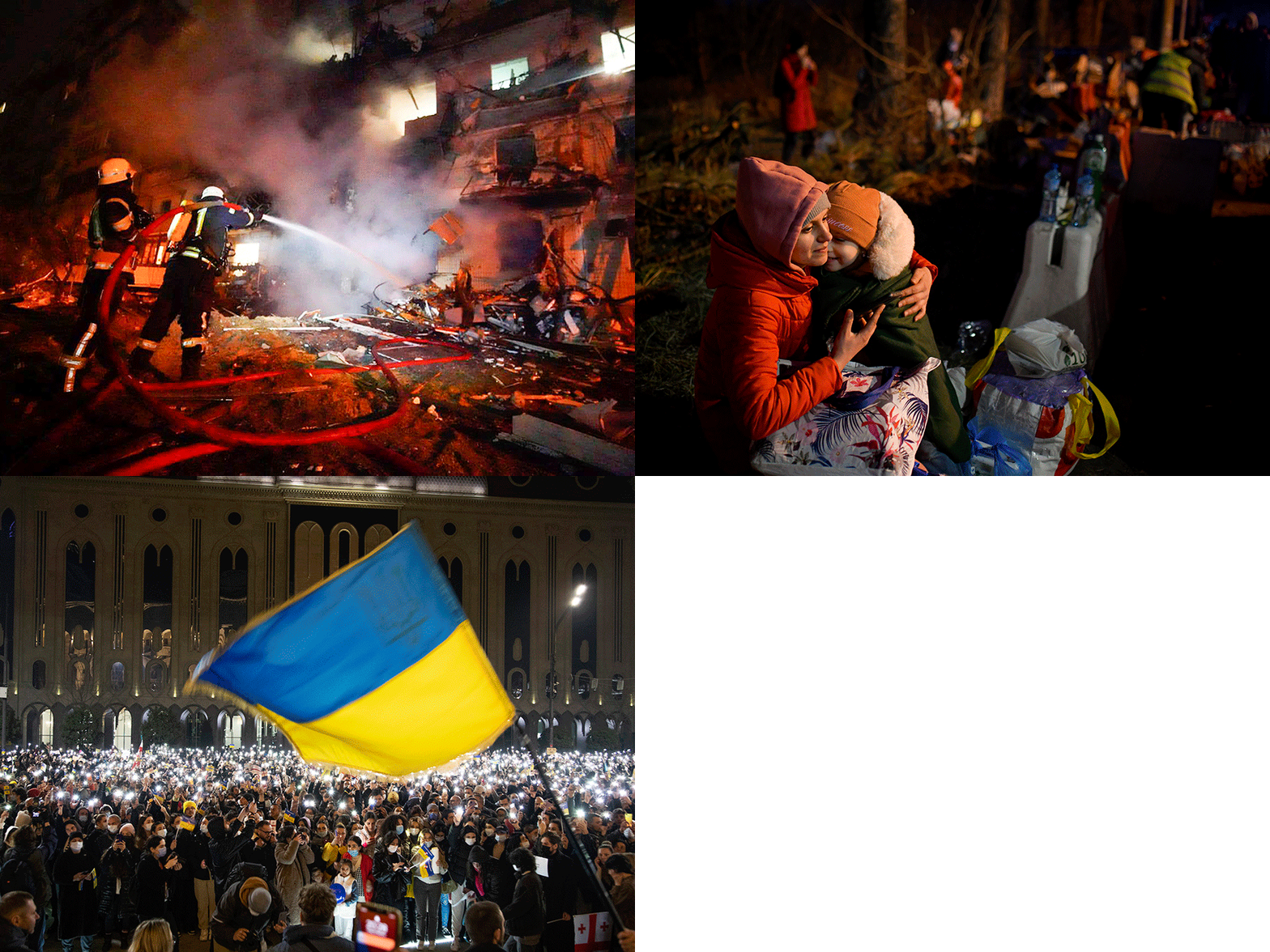
FACEBOOK/TWITTER POST (2-27-22): KEEP THIS IN MIND BEFORE JUDGMENT
All this bloodshed could have been avoided as per Pat Buchanan, hardly a Russia enthusiast/aficionado: Patrick Joseph Buchanan is an American political commentator, columnist, politician and broadcaster. Buchanan was an assistant and special consultant to U.S. Presidents Richard Nixon, Gerald Ford, and Ronald Reagan, and was an original host on CNN's Crossfire. Wikipedia Tuesday, Jan 18, 2022 - 11:20 AM Buchanan: Biden Should Declare NATO Membership Closed "Ukraine is not a member of NATO, and neither we nor our allies have any intention or plans to bring Ukraine into NATO or to give Kyiv an Article 5 war guarantee."
Mentally ill mobster/criminal trump has been singing paeans of praise for Putin throughout this sordid but easily avoidable scenario. Knowing and hating trump as I do, it is tempting to join the throng in condemning Putin. THAT I CANNOT DO in good conscience! I also know that mentally infirm, corrupt, criminal america/americans who'll do literally anything for a buck cannot be trusted given the opportunity for 'fog of war' money sub rosa. Then there's the 'wag the dog' aspect to give mentally deficient Biden et als some breathing room. Bottom line, america's dirty dog of war paws are all over this tragic outcome which was totally avoidable as set forth above.
albertpeia.com 
FACEBOOK/TWITTER POST (3-3-22): Are You Absolutely Certain That You Know Who The Good Guys Are In This War? "...But before I get into the details, I want to be very open about the fact that I do not consider either the Russians or the Ukrainians to be the good guys ..."
March 2, 2022 by Michael Snyder
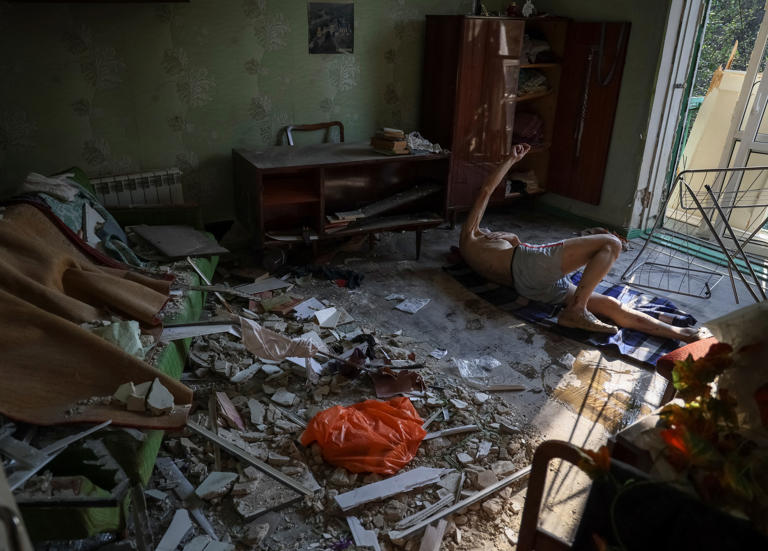
The Latest: US/UKRAINE/NATO "Strategic" Gambit To Economically Drain Russia - All Is Quieter On The Eastern Front 7-6-22 ... Hmmm ... Some Plan!
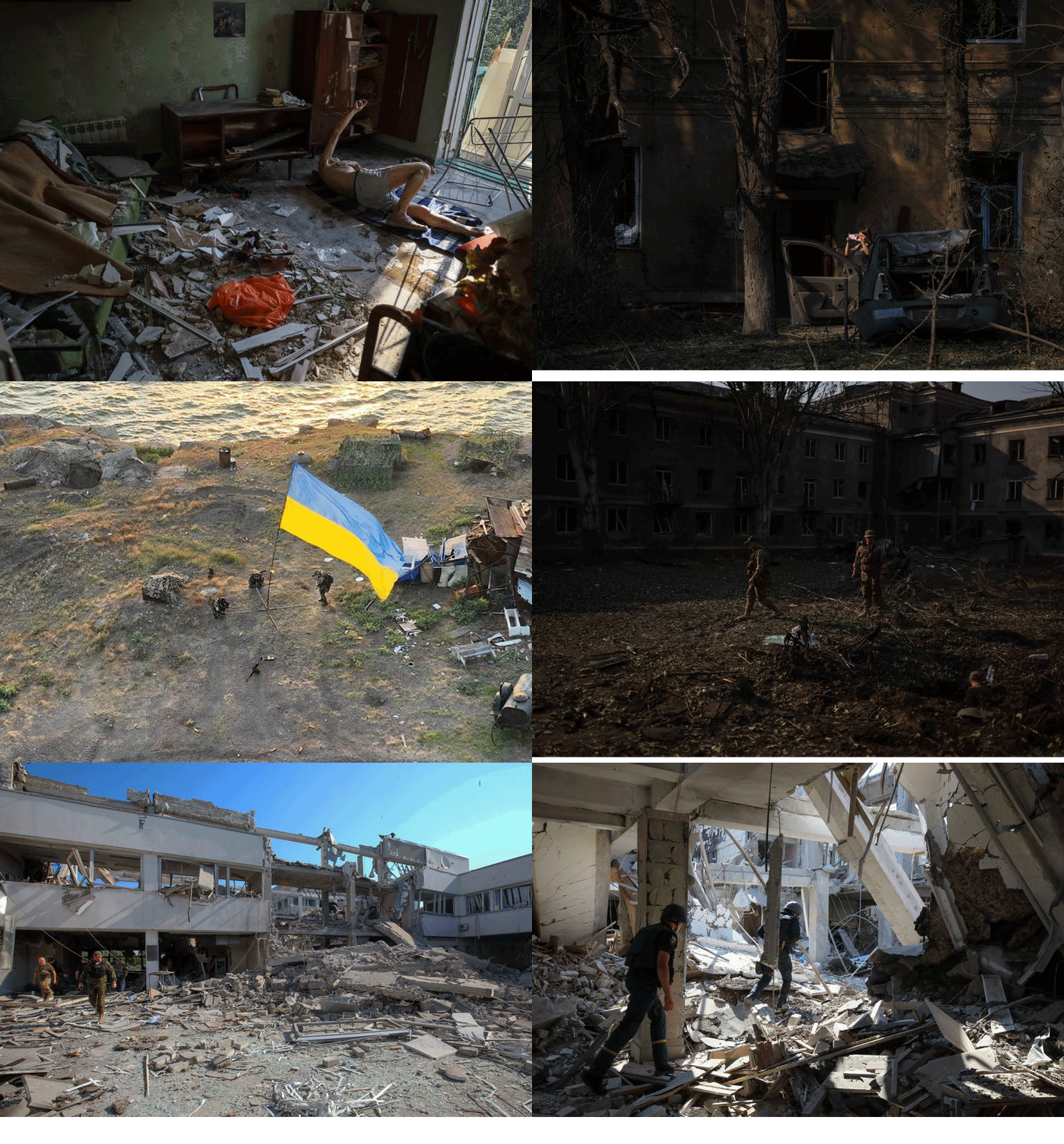
Putin: The Man With The Plan Responds
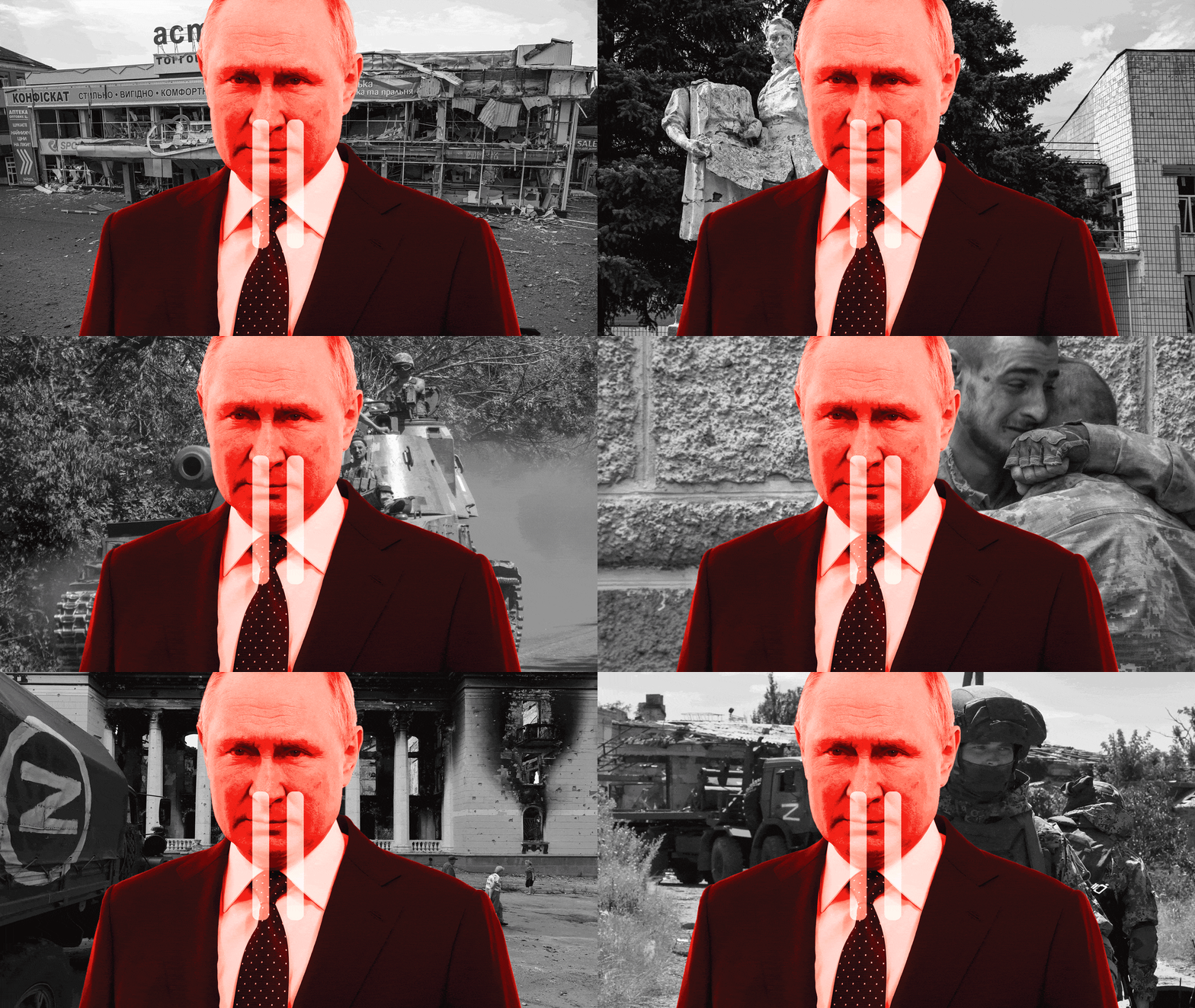
I'm no cheerleader for Putin who seems endeared to mentally ill mobster/criminal trump; but, true is true, and consistent with my american experience, well stated by him as follows:
INTERNATIONAL MAN - Vladimir Putin recently gave a speech in which he said:
"The West is ready to cross every line to preserve the neo-colonial system which allows it to live off the world, to plunder it thanks to the domination of the dollar and technology, to collect an actual tribute from humanity, to extract its primary source of unearned prosperity, the rent paid to the hegemon. The preservation of this annuity is their main, real and absolutely self-serving motivation. This is why total de-sovereignization is in their interest. This explains their aggression towards independent states, traditional values and authentic cultures, their attempts to undermine international and integration processes, new global currencies and technological development centers they cannot control. It is critically important for them to force all countries to surrender their sovereignty to the United States (of Thieves)."

ZEROHEDGE 8-Year CIA Program Helped Provoke Russian Invasion: Report CIA paramilitaries had been training Ukrainian forces... since 2014 and were only pulled out by the Biden administration last month...
[Dumbo Joe] Biden: "Now Is A Time When Things Are Shifting. There's Going To Be A New World Order Out There, And We've Got To Lead It." March 21, 2022 by Michael Snyder "...The war in Ukraine has brought this great struggle for control of the world to the forefront. You see, the truth is that Ukraine has been one of the New World Order's pet projects. In 2014, they were able to successfully overthrow the democratically-elected government of Ukraine and install a completely fresh pro-globalist government. And since that time, the globalists have sunk their teeth deep into that deeply suffering nation of 44 million precious people and have been using it as a testing ground..."





Year 2023
Year 2022
Fourth Quarter 2022, Al Peia Facebook Posts and Tweets
Third Quarter 2022, Al Peia Facebook Posts and Tweets

Man turns hero after saving cat from floodwaters...
YES, THERE ARE STILL HEROES IN THIS WORLD!

Second Half 2022, Al Peia Facebook Posts and Tweets

First Half 2022, 5-9-22 to 6-30-22 Al Peia Facebook Posts and Tweets
First Half 2022, Al Peia Facebook Posts and Tweets
First Quarter 2022, Al Peia Facebook Posts and Tweets






Final Quarter, Full Year 2021, Al Peia Facebook Posts and Tweets Time to put 'law in america' in its proper perspective. Specifically, much as would be so in an exclusively maximum security prison environment for convicts of the most serious crimes, the notion of laws, rules of law is preposterous. Beyond the propaganda, obfuscation, etc., lies the greatest fraud, certainly of the 20th and 21st centuries; viz., america. Anthropologically speaking, america is unequivocally a total, unmitigated evolutionary disaster.
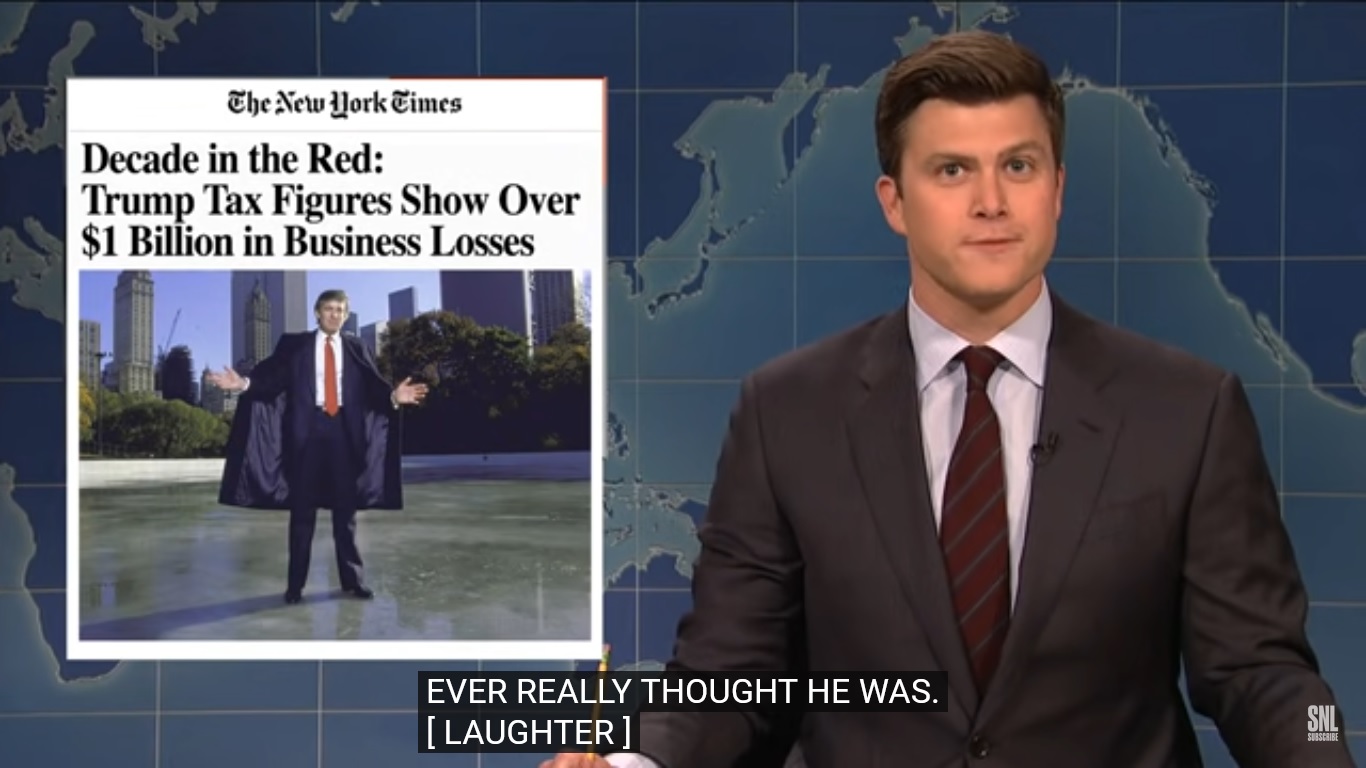
This is a Timely Good One from SNL
Year 2023
Year 2022
Fourth Quarter 2022, Al Peia Facebook Posts and Tweets
italians are black - black hands

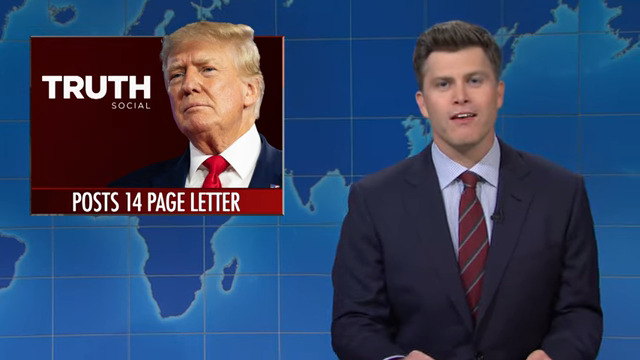
trump's 14 pages - hyped up
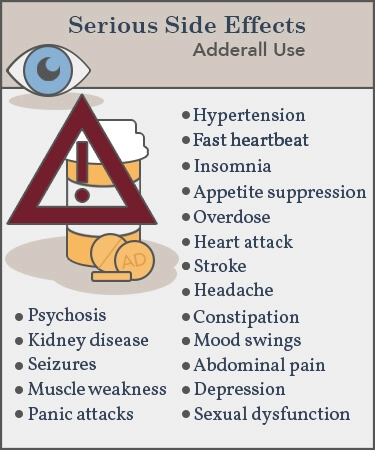
adderall - Adderall is a combination of amphetamine and dextroamphetamine, two central nervous stimulants that improve focus and reduce impulsivity by increasing dopamine and norepinephrine levels in the brain serious side effects

donny says he didn't know him
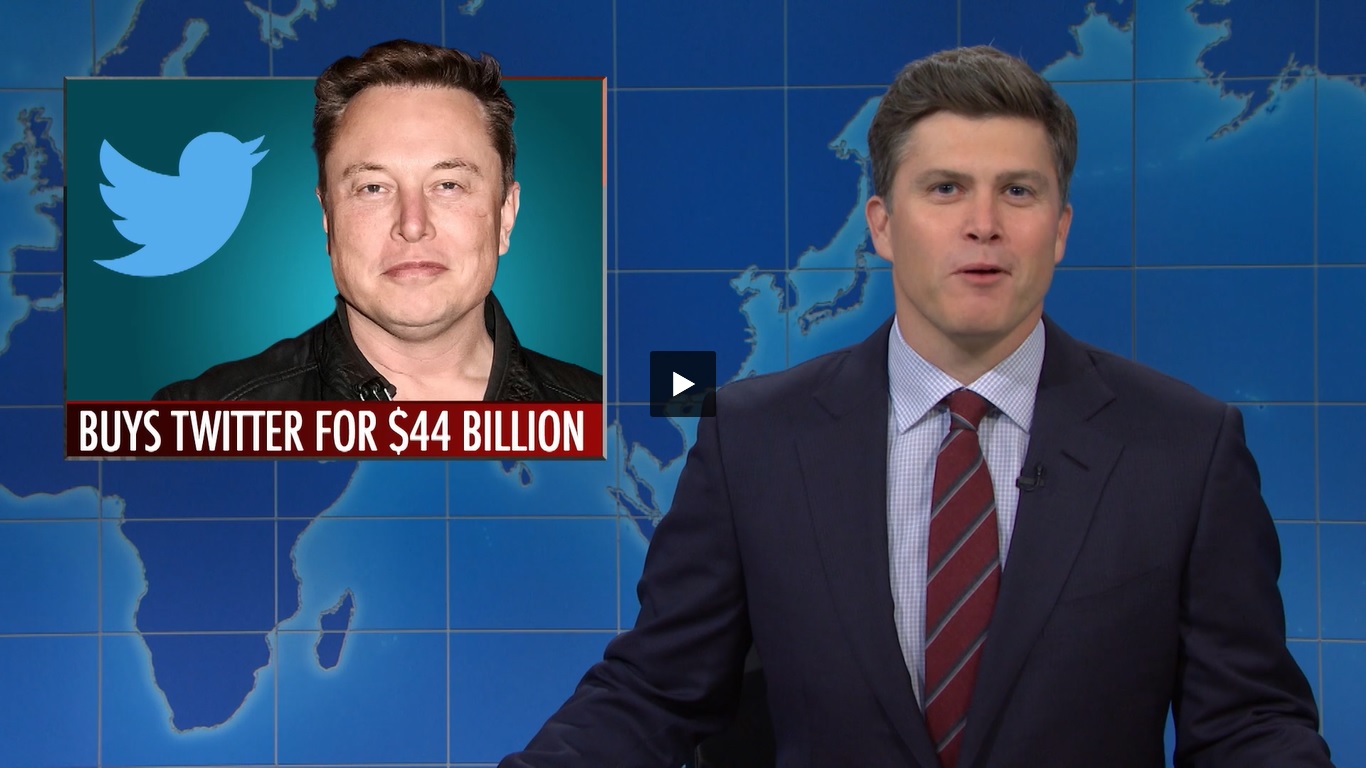
Elon/Mars or Bust
Year 2023
Year 2022
First Three Quarters, 2022, Al Peia Facebook Posts and Tweets
Musk the Rainman

Mars Man Musk ... Hmmm
First Three Quarters, 2021, Al Peia Facebook Posts and Tweets 

First Half 2021, Al Peia Facebook Posts and Tweets

First Quarter 2021, Al Peia Facebook Posts and Tweets
Fourth Quarter 2022, Al Peia Facebook Posts and Tweets
Third Quarter 2022, Al Peia Facebook Posts and Tweets
Man turns hero after saving cat from floodwaters...
YES, THERE ARE STILL HEROES IN THIS WORLD!
Second Half 2022, Al Peia Facebook Posts and Tweets
First Half 2022, 5-9-22 to 6-30-22 Al Peia Facebook Posts and Tweets
First Half 2022, Al Peia Facebook Posts and Tweets
Headlines 202021
11-22-21 TRIBUTE TO JFK: america's not worth it! [Brief Summary]
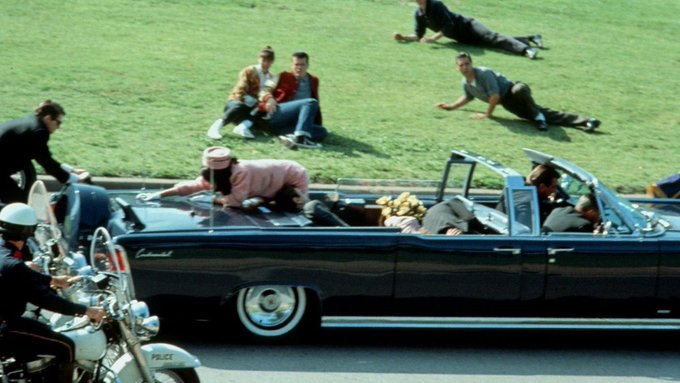 cia-mob-lbj-hit-jfk Criminal america killed JFK. Note the first shot, JFK's throat (he clutches), then the kill shot (top/back of his head blown off - watch here)
Marcello was a very powerful mobster. Bobby Kennedy, AG to brother JFK went after Marcello, Order for Deportation, forfeiture, etc.. (he was never deported, etc.). JFK was going to take LBJ off the ticket; JFK a shoe-in for re-election. FBI's Hoover hated the Kennedys, liked LBJ; hence, (the lie) lone gunman, no conspiracy (so local Texas/LBJ state) jurisdiction/ coverup effected. That's the real story!
Carlos Joseph Marcello was an American crime boss of the New Orleans crime family from 1947 until the late 1980s. Wikipedia - Carlos Marcello: The Man Behind the JFK Assassination https://www.amazon.com Carlos Marcello: The Man Behind the JFK Assassination [Vaccara, Stefano, ... Mafia Kingfish: Carlos Marcello and the Assassination of John F. Kennedy.
AMERICANS ARE CRIMINALLY, COWARDLY, CORRUPT AND BY A LARGE MARGIN, MENTALLY ILL/INFIRM (NOTE MENTALLY ILL MOBSTER/CRIMINAL TRUMP). Traits as, ie., integrity, honesty, courageous, honorable are maladaptive from an evolutionary perspective in america and have been so for quite some time.
AMERICA IS A TOTAL FRAUD!
cia-mob-lbj-hit-jfk Criminal america killed JFK. Note the first shot, JFK's throat (he clutches), then the kill shot (top/back of his head blown off - watch here)
Marcello was a very powerful mobster. Bobby Kennedy, AG to brother JFK went after Marcello, Order for Deportation, forfeiture, etc.. (he was never deported, etc.). JFK was going to take LBJ off the ticket; JFK a shoe-in for re-election. FBI's Hoover hated the Kennedys, liked LBJ; hence, (the lie) lone gunman, no conspiracy (so local Texas/LBJ state) jurisdiction/ coverup effected. That's the real story!
Carlos Joseph Marcello was an American crime boss of the New Orleans crime family from 1947 until the late 1980s. Wikipedia - Carlos Marcello: The Man Behind the JFK Assassination https://www.amazon.com Carlos Marcello: The Man Behind the JFK Assassination [Vaccara, Stefano, ... Mafia Kingfish: Carlos Marcello and the Assassination of John F. Kennedy.
AMERICANS ARE CRIMINALLY, COWARDLY, CORRUPT AND BY A LARGE MARGIN, MENTALLY ILL/INFIRM (NOTE MENTALLY ILL MOBSTER/CRIMINAL TRUMP). Traits as, ie., integrity, honesty, courageous, honorable are maladaptive from an evolutionary perspective in america and have been so for quite some time.
AMERICA IS A TOTAL FRAUD! Next Phase of 2020 Collapse

First Half 2021, Al Peia Facebook Posts and Tweets
 The Oscars 2022 - Nominees/Winners
The Oscars 2021 - Nominees/Winners

'The Usual Suspects' 1971 Picture courtesy of 'The Fox'; such of mine fell victim to theft in jersey (most of them-scrapbook/medals/trophies/films) and theft/arson fire in California. That's the great Roger Sanders, Coach and NCAA National Champion. Yes, that is a black eye I was sporting, a metaphor for my (grueling but important) wrestling experience (OUCH!). Wrestling: Freshman Metropolitan Champion (137 pounds) 1969 - NYU Team Championship / Metropolitan Champion (142 pounds) 1972 / NYU Team Championship - Team Captain
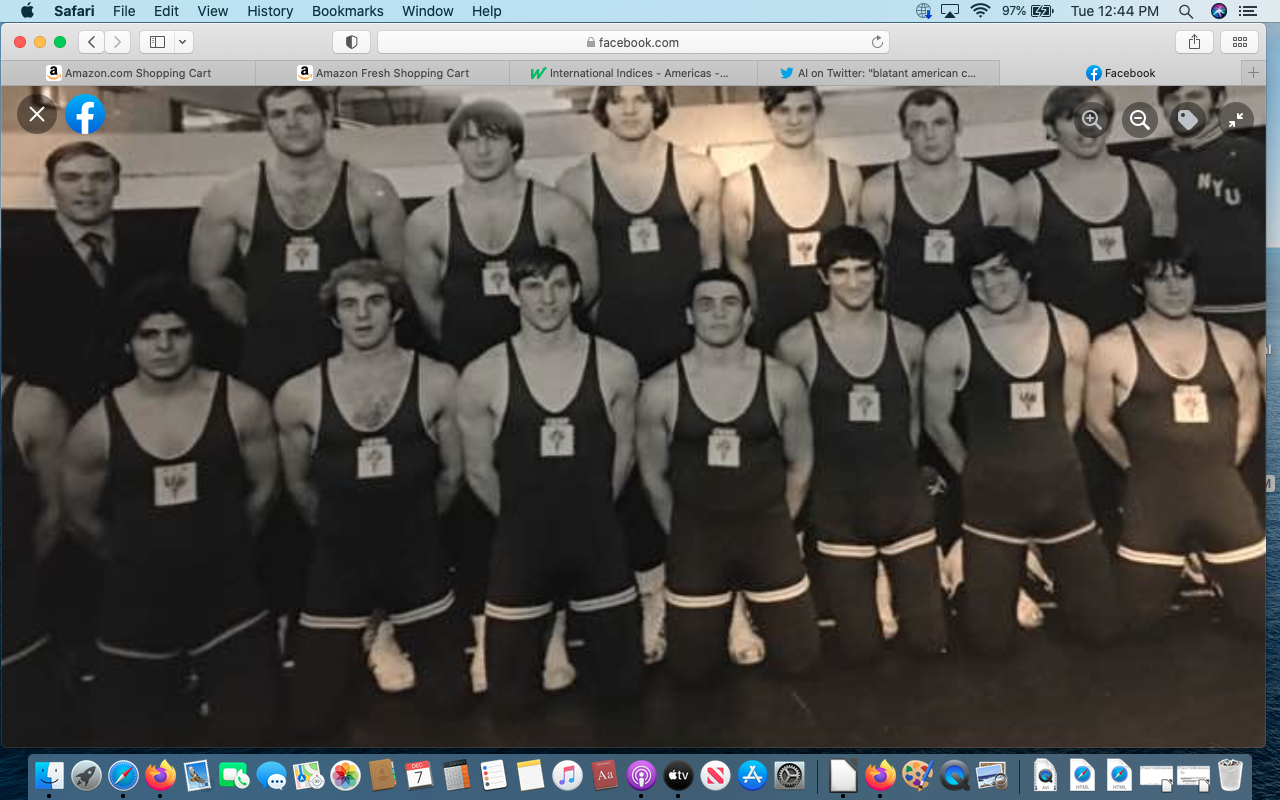 Wrestling Experience
 Super Bowl LVI: LA Wins!
 Late TD Wins It!
 The Kentucky Derby 2022
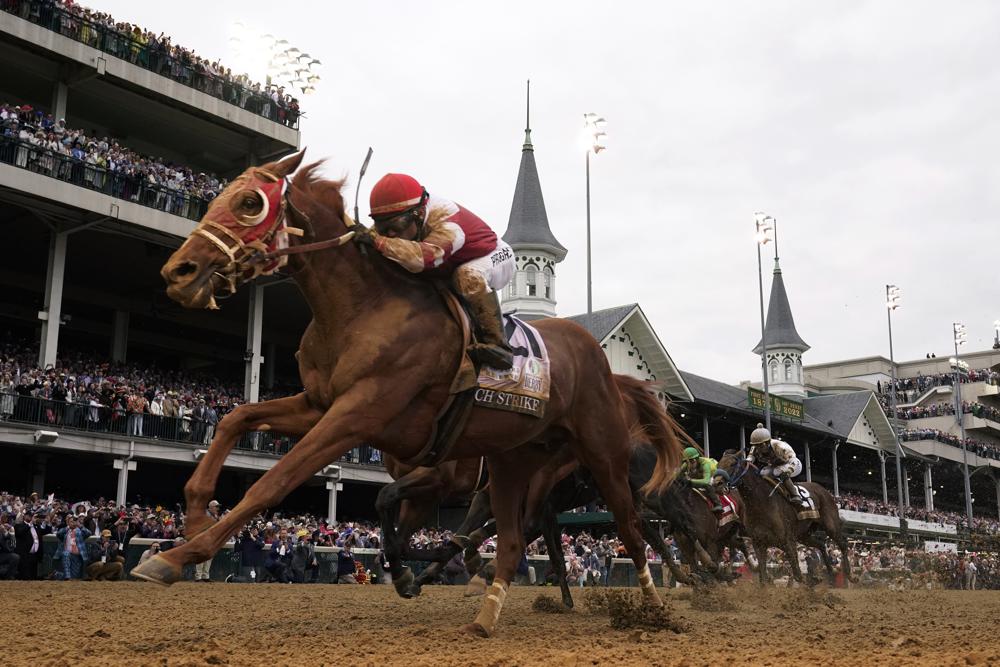
The Kentucky Derby 2021
The Preakness Stakes 2022
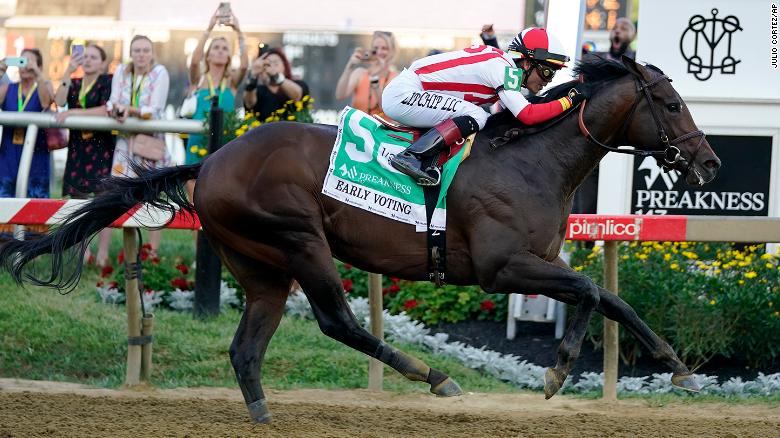
146th Preakness Stakes 2021
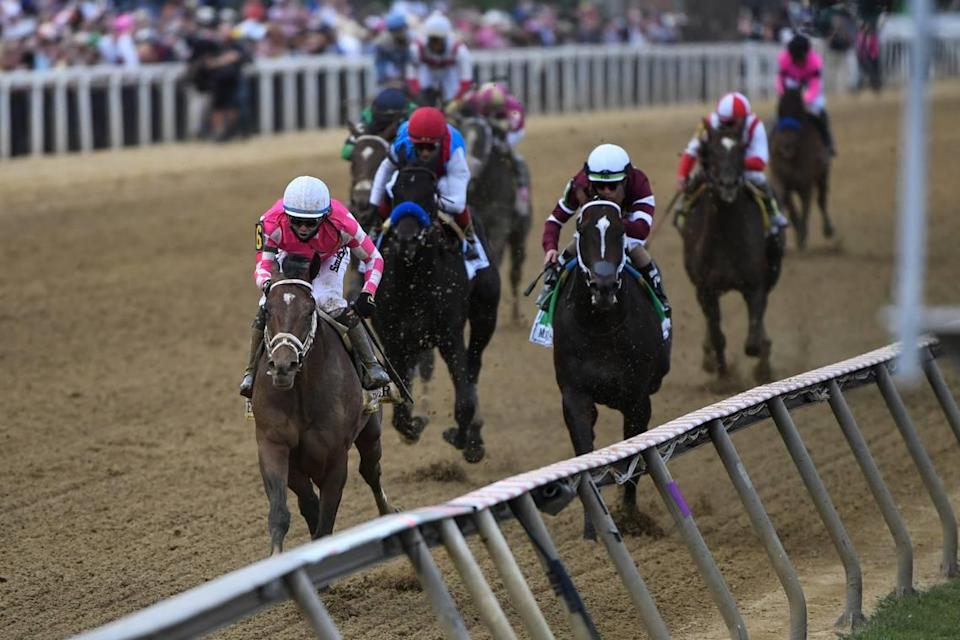
Belmont Stakes 2022
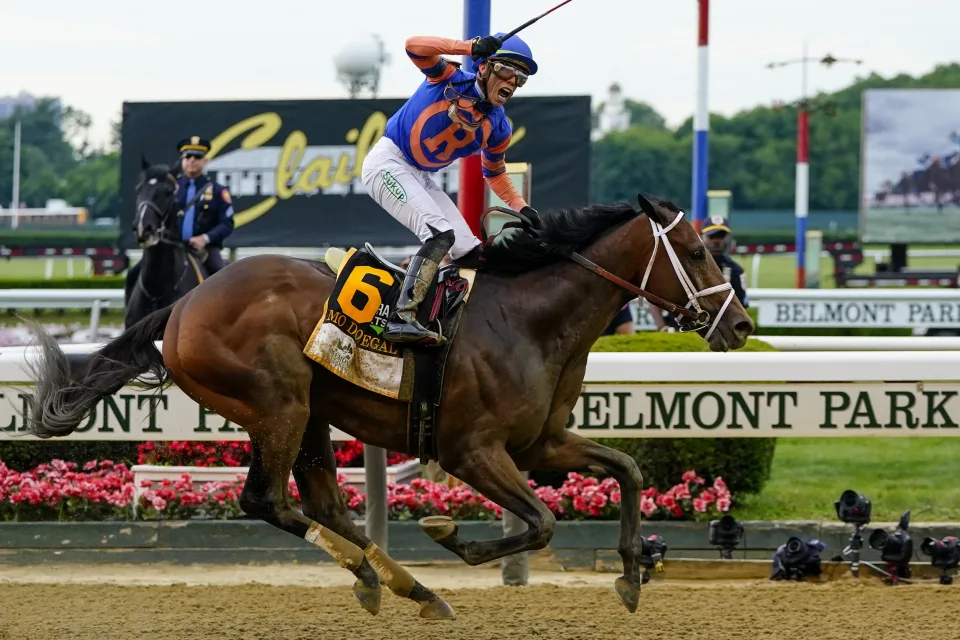
Belmont Stakes 2021

The Crash


Searing Supercut Counts Down Trump's '100 Most Tremendous Scandals' In Time For The Election
[ WELL DONE, SUCCINCT, FACTUALLY CORRECT/INFORMATIVE! THIS IS A MUST SEE/HEAR! ]
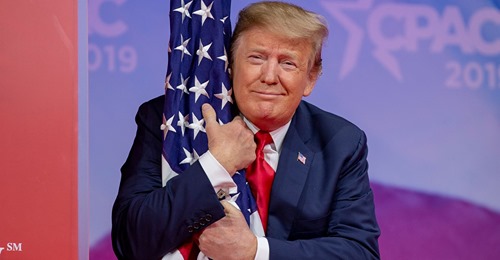
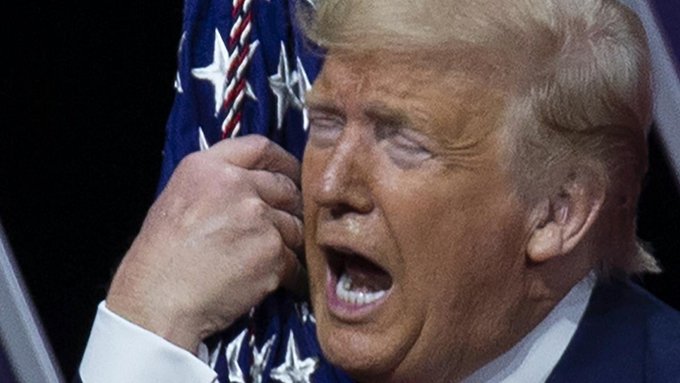
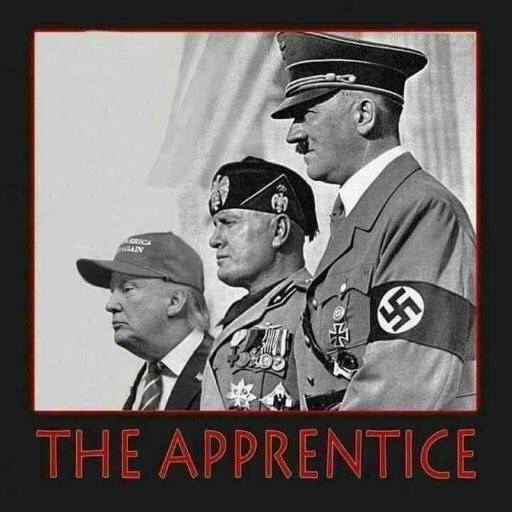
 America's Global Nightmare On Pennsylvania Avenue
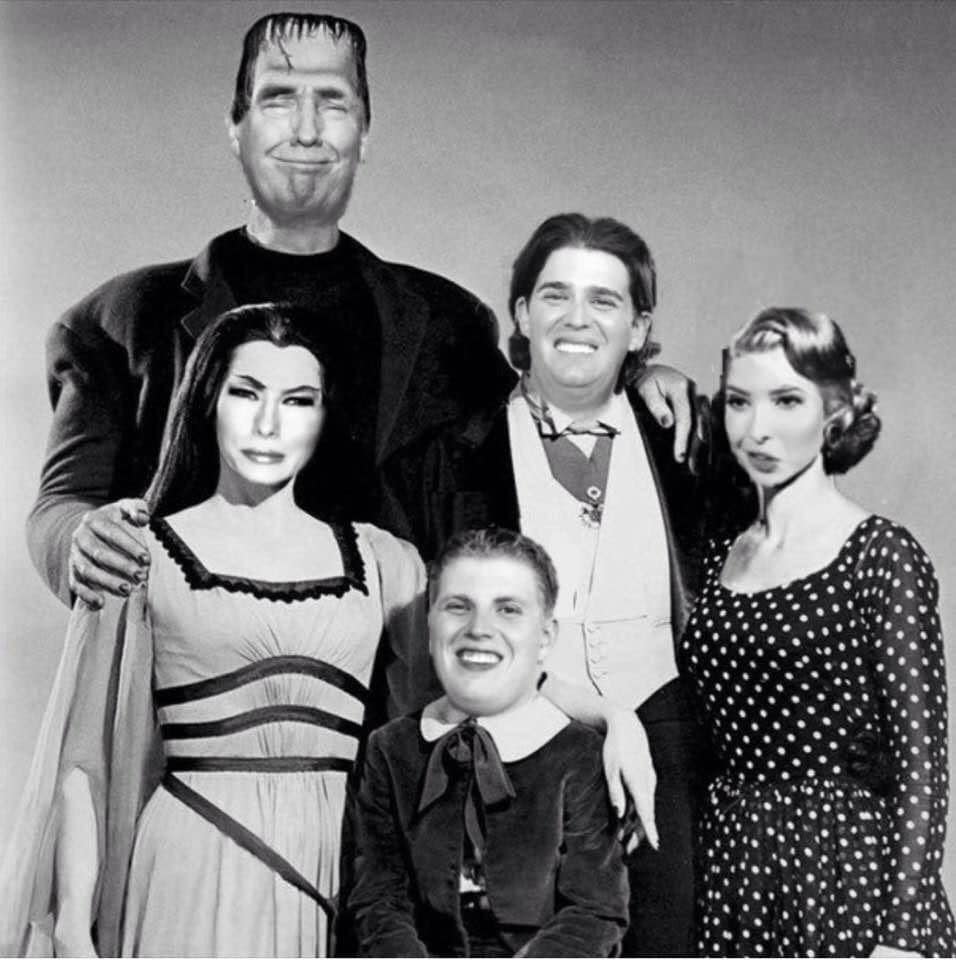
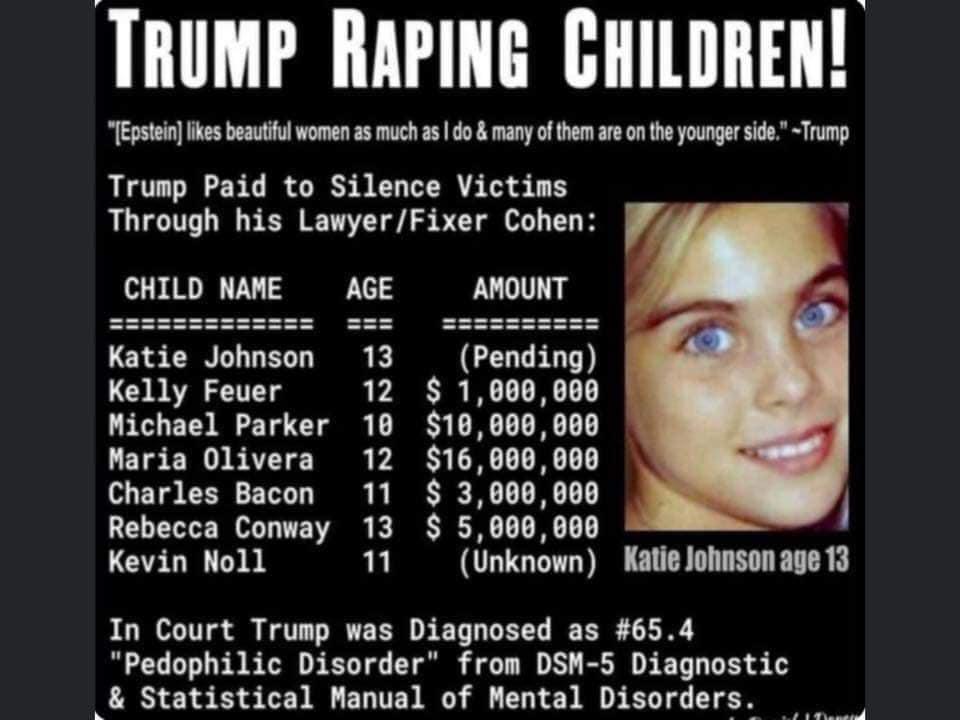
Rappin', Rapin', Psycho trump
What do you think Mark (Levin - on Twitter)? Your buddy hannity relentlessly pounded clinton on the Juanita Broaddrick rape: Conservatives Are Destroying Our Future [ trump's a con but not a con_servative. ] "I understood that both Mr. Trump and Mr. Epstein knew I was 13 years old. Defendant Trump had sexual contact with me at four different parties in the summer of 1994. On the fourth and final sexual encounter with Defendant Trump tied me to a bed, exposed himself to me and then proceeded to forcibly rape me. During the course of this savage sexual attack, I loudly pleaded with Defendant Trump to stop but he did not. Defendant Trump responded to my pleas by violently striking me in the face with his open hand and screaming that he would do whatever he wanted. Immediately following this rape, Defendant Trump threatened me that, were I ever to reveal any of the details of Defendant Trump's sexual and physical abuse of me, my family and I would be physically harmed if not killed."
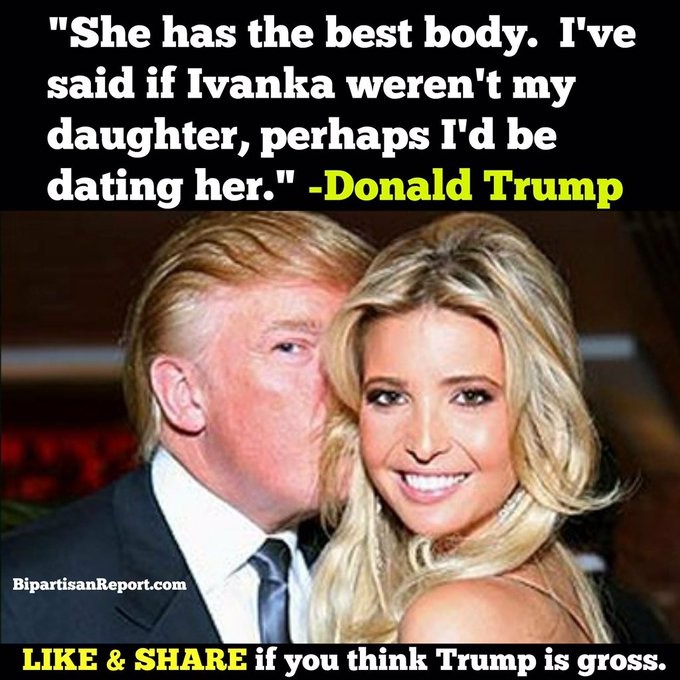


 The Cat Says: Read This File -
In The United States District Court Southern District Of New York Why is this not in the news?
 Tweety-birdbrain trump

I Warned, Told You So!
Comrade trump
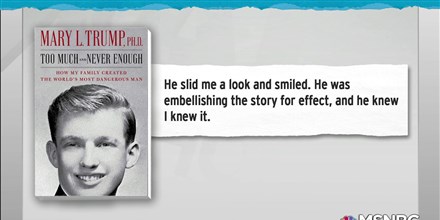 Psychosociopath donnie trump
trump's a sick dude and a dangerous blowhard
Fact and Causal Reality Ominously Converge in the New Year For Fallen america


trump's space force/mars mission-Way Out-Spaced Out
Talk about space force/mars mission, how about Musk, Mars, and Chad:

Musk Moment: Named Time Person Of Year
Says he will fly Noah's ark spaceship packed full of animals to Mars

I invite attention to and strongly recommend 'Interstellar' by the great director Christopher Nolan.
One way or another, this is a dying planet in an already dead solar system
MAG: Humans doomed to go extinct ...
A (Very) Short History of Life on Earth (St. Martin's Press, 2021)
 Tears in New England ... Tom Brady ... Wow!
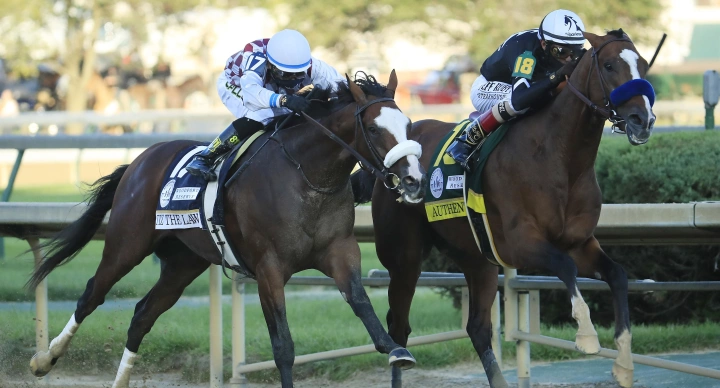
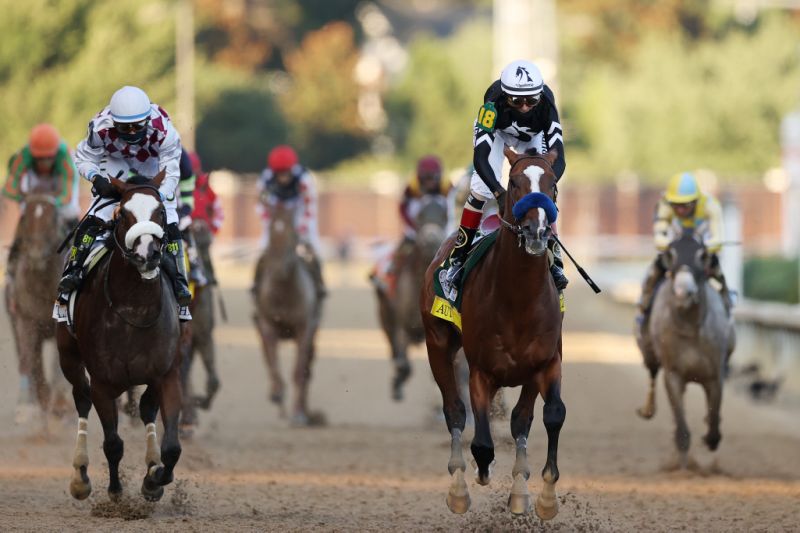
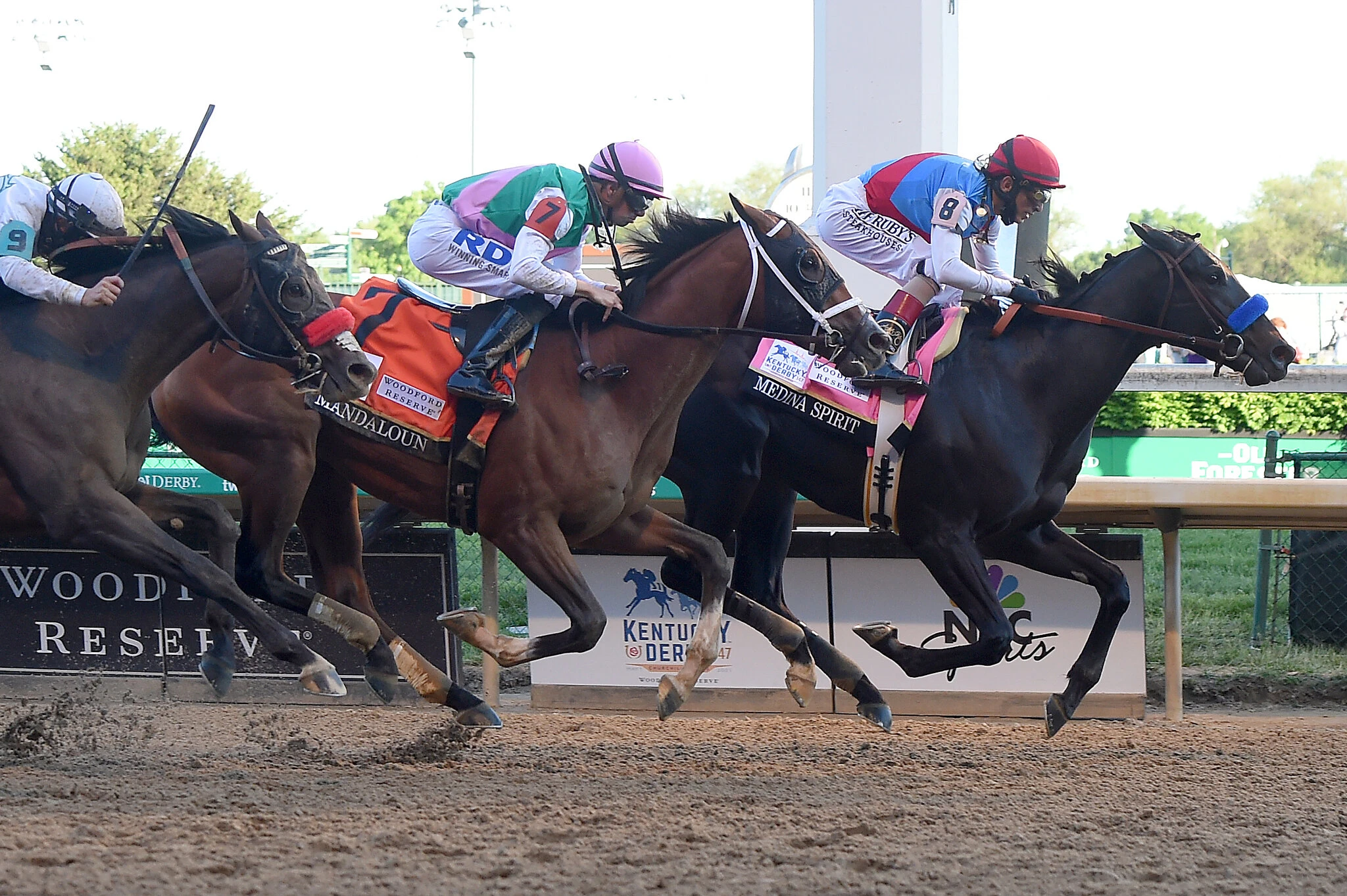
The Kentucky Derby 2020
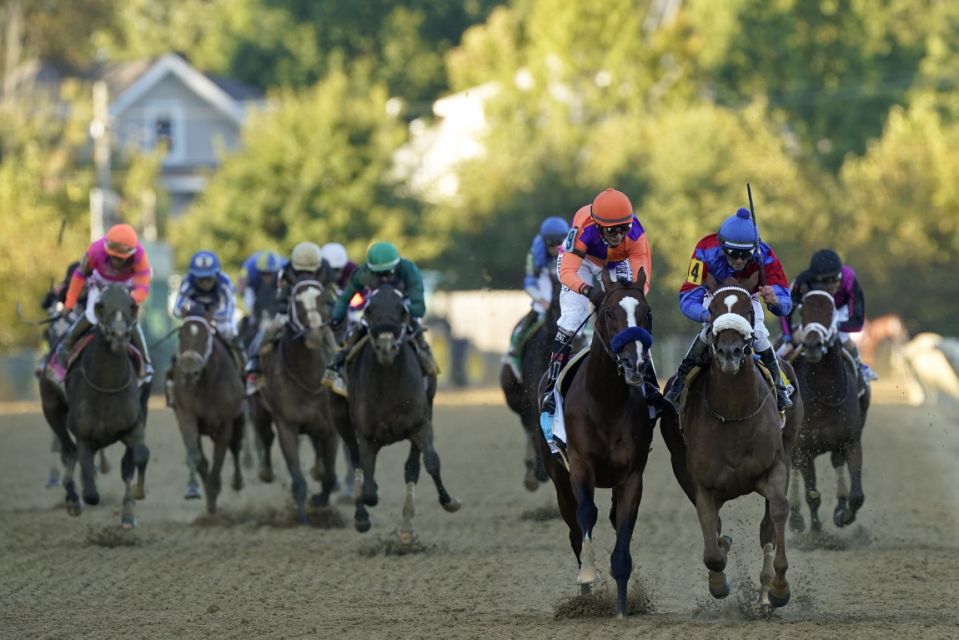
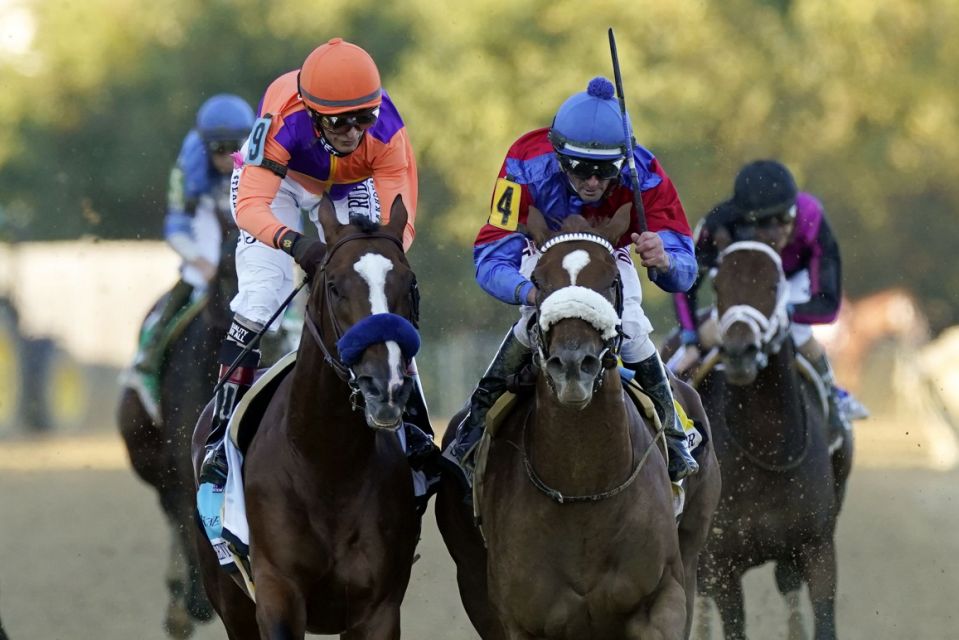
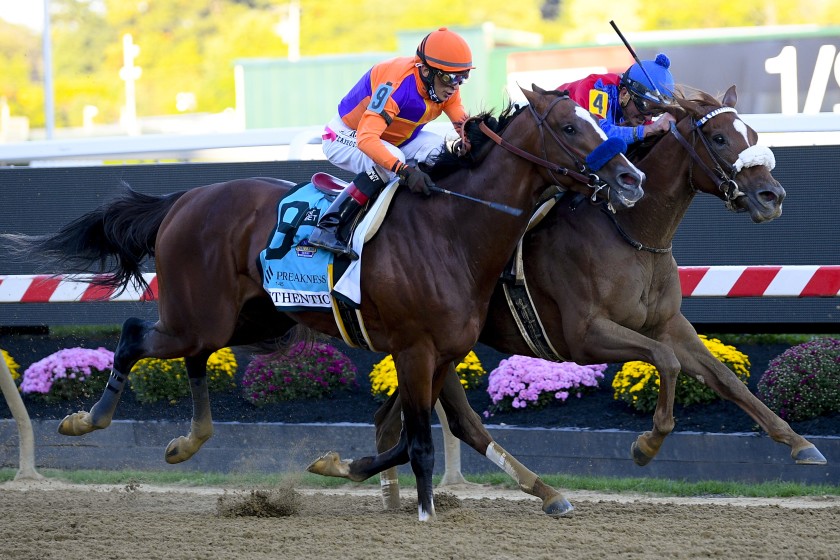
The Preakness 2020
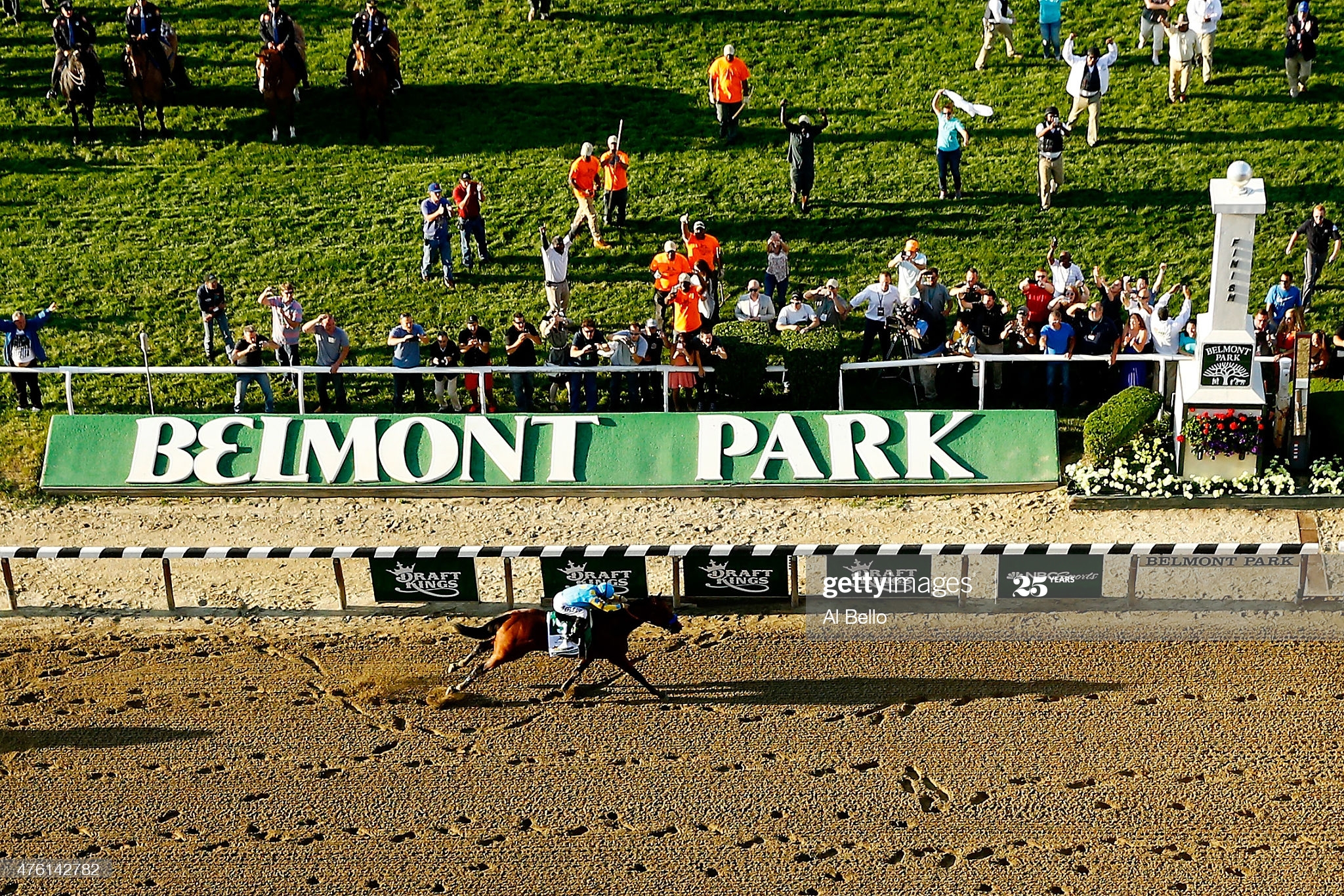
[Actually, that's 5 American Pharoah, Belmont 147, 2015]
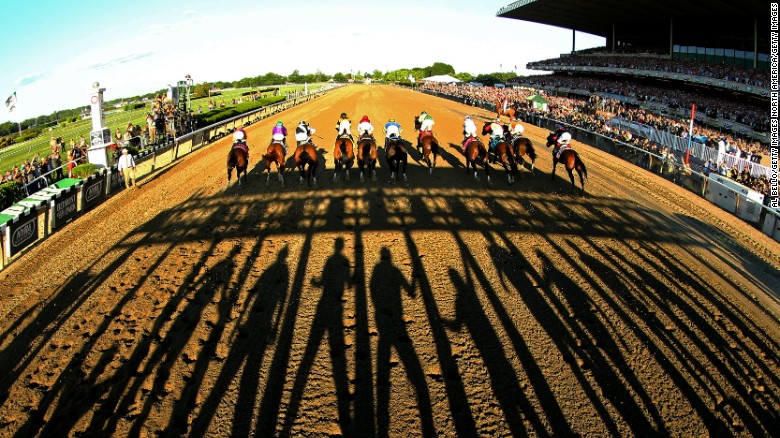
The Belmont 2020
The Fetus Will Defeat US

The Wizard Oz Alive and Well in Penn's Woods ... Ask Dorothy

Had to add this here - Yes, the effects of Covid are deep, unforgiving - SNL - Total hoot! Very funny!
POST-QUARANTINE CONVERSATION
5-22-20 Seth Meyers Delivers Major Takedown Of Right-Wing Coronavirus Conspiracy:
A Closer Look by Seth Meyers St. Mary Magdalene by the Expressway High School holds a virtual graduation ceremony with special guest speaker President Donald Trump (Alec Baldwin) [SNL]
5-7-20 Trump and His Allies Have a Plan for Protecting Themselves, Not You:
A Closer Look by Seth Meyers Weekend Update Home Edition:
Trump Suggests Injecting Disinfectant [SNL]
4-27-20 Trump Sinks in Polls, Claims Disinfectant Comments Were Sarcastic:
A Closer Look by Seth Meyers
Trump Blames WHO and Rushes to 'Open Up America Again': A Closer Look by Seth Meyers
4-16-20 Seth Meyers Takes A Closer Look To Date
4-12-20 Alec Baldwin's trump Calls In To 'Weekend Update' To Brag About His Stellar COVID-19 Job
4-4-20 A Blast From The Past as Seth Meyers and Amy Poehler Rejoin Hands and Take A Closer Look, REALLY!
4-2-20 Seth Meyers takes 'A Closer Look' at fox news/hannity/trump hoax lie
3-28-20 Seth Meyers takes 'A Closer Look' at a self-interested, incompetent, mentally ill trump whose contraindicated presence is not up to the job
Seth Meyers Exposes Fox News' Coronavirus 'Alternate Reality' of Blaming Democrats
Seth Meyers Takes A Closer Look at a somnolent, incoherent trump on coronavirus, etc...
Here's Stephen Colbert on trump the corona man...
YAHOONEWS Politics 'Weekend Update' Does Epic Takedown Of Trump Over Impeachment, Attacks
trump an absolute smash at the NATO Summit

Seth Meyers Baits Donald Trump Over His Dumbest Obsession Yet
The Impeachment Trial That Wasn't
[SNL Sketch] Here's a good one from Stephen Colbert on mad-man mobster trump's latest ralley rant ...
trump is clearly, unequivocally insane!
[1-14-20: Stephen Colbert Monologue ]
6-11-20 trump Asked Stephen Miller to Write a Speech About Race Relations:
A Closer Look by Seth Meyers
6-10-20 Trump Sinks in Polls, Protesters Call to Defund the Police:
A Closer Look by Seth Meyers 6-3-20 Seth Meyers Critiques Trump's Photo Op
'A Closer Look'

2020 News Topics By Month
Past Months - October, 2018 thru September, 2020
Impeachment Resolution - In Re donald john trump
Al Peia Tweets-Facebook Posts 12-31-20
Al Peia Facebook Posts
Al Peia Tweets
The Belmont 2020
Triple Crown 2019

The Oscars 2020



Encore! ... Bravo! ... Do Not Miss The Great New 'CATS'!
Past Months - October, 2018 thru December, 2019

The Whistleblower Complaint
COMPLETE MUELLER REPORT (pdf) http://albertpeia.com/mueller-report-searchable.pdf
IMPEACHMENT RESOLUTION (pdf) http://albertpeia.com/impeachmentresolution-BILLS-116-191029.pdf
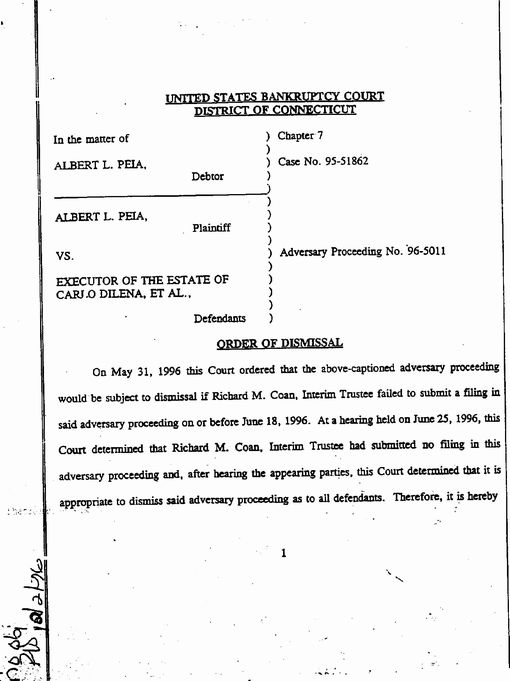
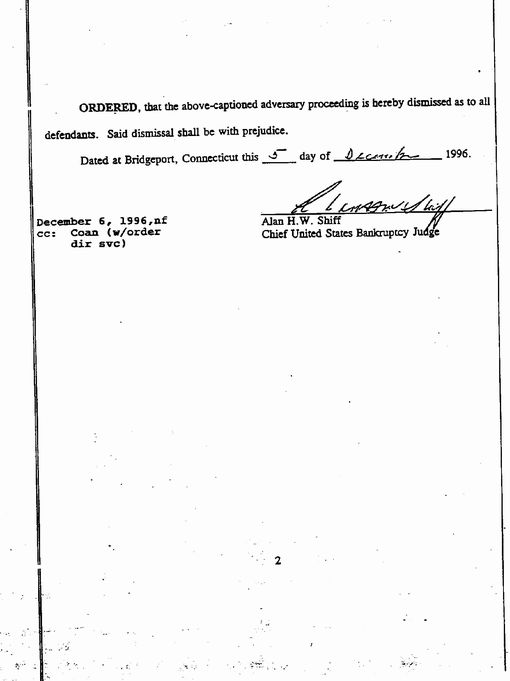
[ Though not set forth specifically in Judge Dorsey's factual background synopsis, Defendant Coan (Ch.7 trustee) was sued individually for having missed a filing deadline for adversary proceedings parallel to the RICO action causing dismissal with prejudice and substantial damages thereby.
Order Page 1
Order Page 2
]
Peia v. United States, 152 F. Supp.
2d 226 (D. Conn. 2001)
May 22, 2001
v.
UNITED STATES of America, et al.,
Defendants.
RULING ON DEFENDANT UNITED STATES'S
MOTION TO DISMISS
*230 I. JURISDICTION
II. BACKGROUND
III. DISCUSSION
A.
Standard of Review
B. Dismissal Due to Statutes of Limitations
C. Dismissal Due to Res Judicata
D. Dismissal Because the United States is Not
Proper Party to a Civil RICO Action
*235 E. Dismissal for Judicial Immunity
IV. CONCLUSION
* The coverup was appealed to the second circuit court of appeals, and the u.s.supreme court petitioned for certiorari ... Coverup Sustained ... Petition for Cert. Denied
Plaintiff's RICO Statement of Damages as required and by way of appended exhibit to the RICO Verified Complaint was an Estimated Grand Total $26,500,160 .
[ america's (non-governmental) criminal acts do not fall within the ambit of governmental/sovereign immunity (as america has posited many times as a rule to hold other nations liable for wrongful conduct). ]
The Following Links For Clarity; the first, a brief summary of the case provided to the FBI field office in New Haven, Connecticut pursuant to their request; the second provided to the FBI field office in Los Angeles, California as set forth therein as referenced in my reply email to Congresswoman Roybal-Allard; Hearing: U.S. District Court on U.S. Default; Reply Email to Madam Speaker Pelosi incorporating responsive emails/requests for assistance to Senator Feinstein and Congresswoman Royball-Allard referencing FBI referral/court documents-disks/stonewalling/coverup:
Rico Summary to FBI Under Penalty of Perjury
FBI field office in Los Angeles, CA
The Hearing (in pertinent part - usdcj matz presiding) in the U.S. District Court in LA, CA concerning defendant USA's default and trump, trump sister involved coverup
Email to Madam Speaker Pelosi incorporating responsive emails/requests for assistance to Senator Feinstein and Congresswoman Royball-Allard
AMERICA IS SUCH A TOTAL FRAUD!
Next Phase of 2020 Collapse

Wall Street sloth taking some holiday down time tending to some gardening but, come Monday, back to the 'ole churn-and-earn' 
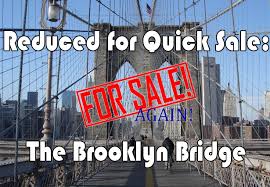

FOMO ... Don't Miss Out ... The Bridges On Wall Street Are Dirt Cheap
 And ... There's this ... hmmm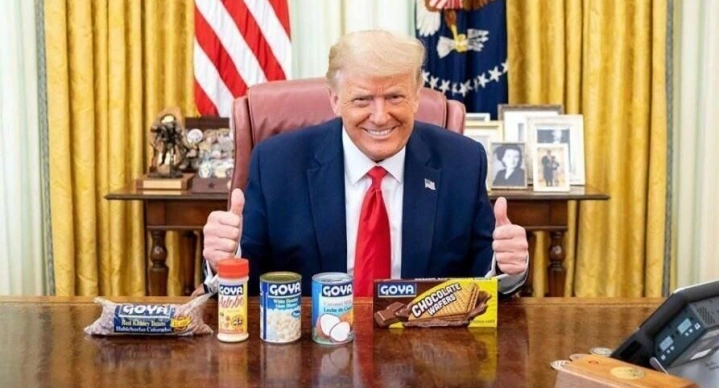
Yes, the beat goes on. The great fraud continues. The great fraud, fallen america. Topical Index
9-26-19 - Synopsis
Synopsis (text no links)

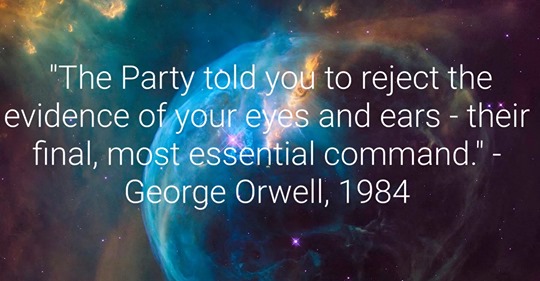 Current ...
independent.co.uk Donald Trump might be the stupidest President ever It should come as no surprise - and it has not - that he is sorely lacking in sophistication, knowledge of the world, understanding of government and a rudimentary grasp of economics. President Donald Trump does not read - except in small doses and when his own name appears prominently. Prior to the presidency, his only activities were work and golf. He does not mingle with intellectuals, cultural trend-setters or artists. 'DONNIE WAS NEVER A SMART BOY, NO MATTER WHAT HE TELLS YOU. THE NEIGHBORHOOD KIDS, USED TO CALL HIM, DONNIE DIMWIT', SAID MARYANN TRUMP BARRY, TRUMP'S OLDER SISTER, WHO IS A JUDGE. TRUMP'S OLDER SISTER WORRIES ABOUT HIM: 'DONNIE'S ACTING LIKE A NUTJOB' nova-magazine.net [ That's because he is a nutjob! ]. WOW! MARKETWATCH: Trump has reportedly suggested nuking hurricanes headed toward the U.S.
 America's Global Nightmare On Pennsylvania Avenue
Donnie Dimwit




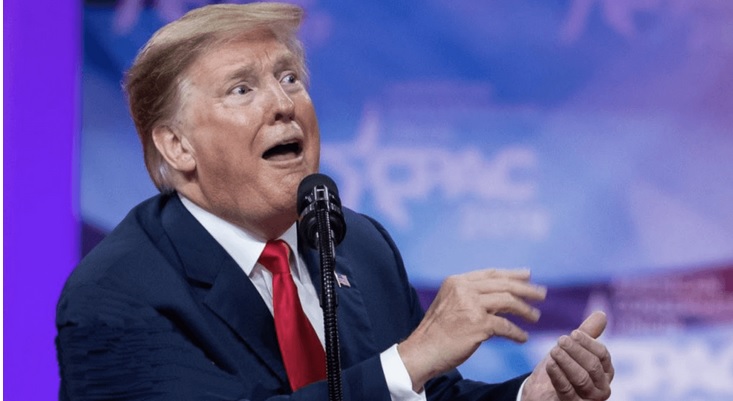





4-22-19 Update: Politics USA TODAY Opinion I've warned that impeachment talk is dangerous, but the time has come: Laurence Tribe The consequential decision to impeach should not be made lightly. But Mueller's damning report is an invitation that Congress shouldn't refuse. [ Laurence Tribe knows something about constitutional law. Some improvement ( PELOSI WANTS TRUMP IN PRISON ... But appears to be hoping he'll voluntarily sign himself in on his own accord; and, not to forget the nostalgia she feels for 'the donald' who reminds her of mussolini, that fellow italian hero of yesteryear...), but for pelosi it should be his (Tribe's) way or the highway! ] ... Even the most pragmatic legal practitioners tip their hats in respect for the otherwise esoteric 'Laurence Tribe' (ie., those law school/paper chase days)
'Obstruction of justice-the statute making obstruction criminal-prohibits interfering, or attempting to interfere, with a criminal prosecution or an investigation the government's conducting' Napolitano said. The Mueller Report, Napolitano believes, lays out a number of presidential acts that constitute obstruction of justice including:
When Trump asked Deputy National Security Adviser KT McFarland to write an untruthful letter to the file, knowing the government would subpoena it.
When Trump asked Corey Lewandowski to get Mueller fired.
When Trump asked Don McGahn to get Mueller fired and then to lie about it.
When Trump asked McGahn to go back to Mueller's team and change his testimony.
When Trump dangled a pardon in front of Michael Cohen, in order to keep Cohen to testifying against him.

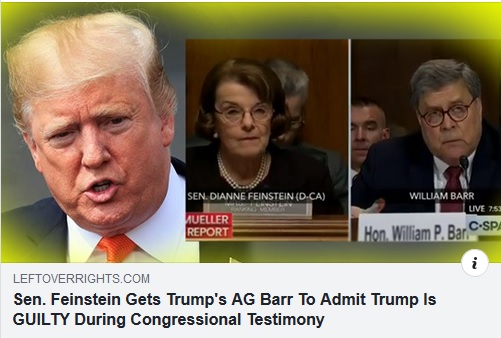
'...Donnie Trump's Attorney General Bill Barr gave his first congressional testimony in the wake of the release of the Mueller report this morning and it revealed why Trump was in panic mode this morning. During her line of questioning, Senator Dianne Feinstein, ranking Democratic judiciary committee member, managed to get Barr to reveal the exact law Trump broke per the evidence in Mueller's report..... Feinstein simply described the evidence in Mueller's report that details Trump's efforts to get White House counsel Don Mcgahn to lie about Trump ordering him to fire Mueller. Feinstein then asked if it is illegal to try and get a witness to lie (duh), to which Barr answered, 'Uh, yes.' She then asked him to cite the exact law, to which Barr said,
'THE OBSTRUCTION STATUTES' .
Timeline of trump Obstructions of Justice
IMPEACHMENT RESOLUTION (pdf) http://albertpeia.com/impeachmentresolution-BILLS-116-191029.pdf
COMPLETE MUELLER REPORT (pdf) http://albertpeia.com/mueller-report-searchable.pdf (recommended)
MUELLER REPORT (html) http://albertpeia.com/MuellerReportSearchableDocIndexNYT.htm
MUELLER REPORT (18 page summary) (pdf) http://albertpeia.com/muellerreportsummary.pdf

Musically Accompanied Pictorials of America's Mentally Ill Mobster/Thief in Chief
[ ***Note: From a definitional perspective, 'current' necessarily includes that which is inextricably tied to, and affects, current actions, events, motivations, etc.; examples would include trump's mob ties, trump's 'mentorship/apprenticeship' under mob-connected homosexual-McCarthyite roy cohn, william barr's longstanding quasi-government role in coverups, among other significant things more conveniently for the criminals/perpetrators kept sub rosa. ]
I HAD BEEN, PRE-ELECTION, CONSTRAINED TO CREATE THIS SEPARATE PAGE DEVOTED EXCLUSIVELY TO THE RAVINGS/ACTS OF THE PSYCHOTIC TRUMP
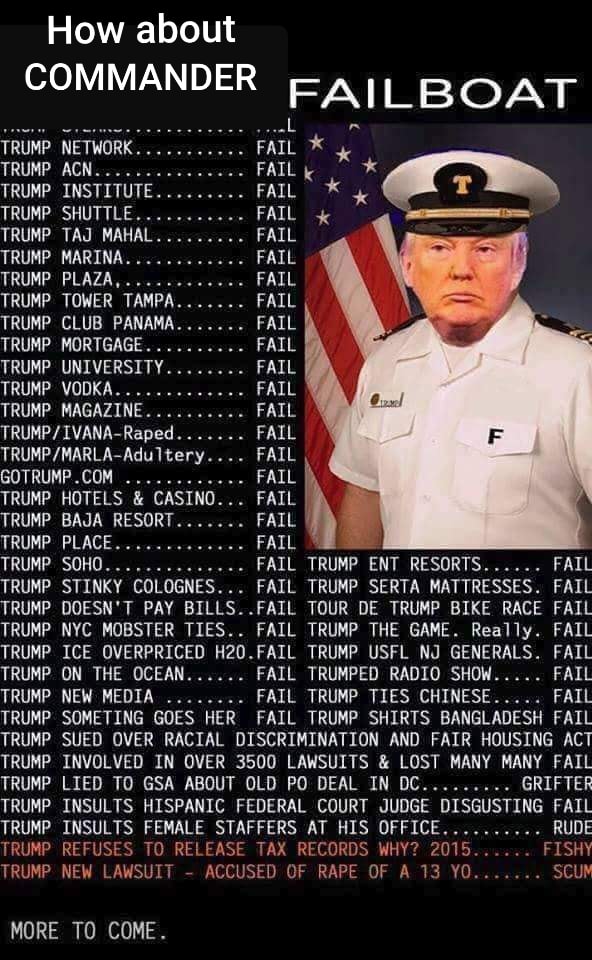
... Great thanks should be accorded Mitt Romney for his courage in stating the factual reality that trump's a fraud and cites merely some of trump's great business failures/cons/scams to back up his true statement 'a business genius he (trump) is not' ... Why courage? Because trump's at most a typical new york/new jersey mobster, mingling/coddling/intertwined with the proverbial gangs of new york/new jersey/waterfront ... he just recently threatened no less than Speaker of the House Paul Ryan ... then there are the racist rants/alignments; and as well, that 'great wall of trump's 'hina , etc.'
I Warned, Told You So!
Musically Accompanied Pictorials of America's Mentally Ill Mobster/Thief in Chief
t_rump mocks Carly Fiorina's looks [note the complete absence of substantive (debates, etc.) contribution by t_rump who in one interview assures all, ridiculously in response, that he 'has a good brain' and 'consults himself' on foreign affairs, etc.] ... What, don ... your pelt/wig is better? ... You wear more make-up? ... Haven't we seen this guy, historically, somewhere before?
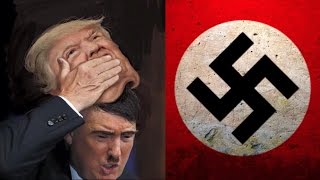
Yes, the beat goes on ... the great fraud continues ... Christian, Biblical, among other scholars refer to the great fraud, whore, fallen america ... Topical Index
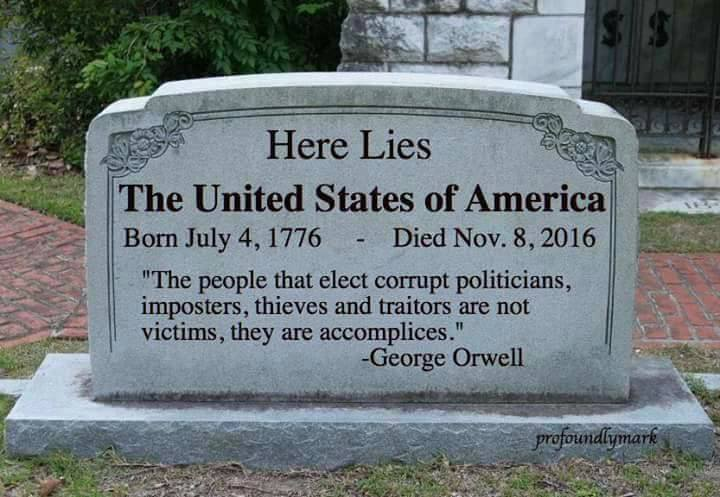
I Warned, Told You So!
FORMER ADMIRALS AND GENERALS WARN TRUMP IS 'DANGEROUS' TO MILITARY AND COUNTRY
America's Global Nightmare On Pennsylvania Avenue 
Australia
considers tougher movement restrictions
https://www.thestar.com.my/news/world/2020/03/17/australia-considers-tougher-movement-restrictions-to-combat-coronavirus
... [ Preoccupied with their war on feral cats, former penal colony
australia focuses on the transition from vegetarians to meat-eaters
including primarily the now readily available fare as (from wild
fires) fried ‘roo, ko a la frickassee, etc..] [australia the
overt penal colony, a microcosm of america the (implicit penal)
colony, is an example of evolutionary disaster in the making when
breeding populations are scrutinized. trump's inherent criminality is
egregious proof of this anthropological disaster called america, the
haven for the criminally insane.] [ I believe that to fully
comprehend this horrific american scenario encompassing decline and
fall, the following are helpful and instructive. First, an
understanding of biological anthropology is helpful, particularly as
pertains to breeding populations as regionally exist throughout
america. Second, a thorough grasp of psychology is crucial given the
alarming prevalence of severe mental illness throughout america and
at all levels of society. Third, command of the subject generally
denoted as criminology is necessary to fully enable successful
approach to the uniquely pervasive levels of criminality throughout
the united states. I believe word pictures in the minds eye of
america's devastating plight can be derived from such profound
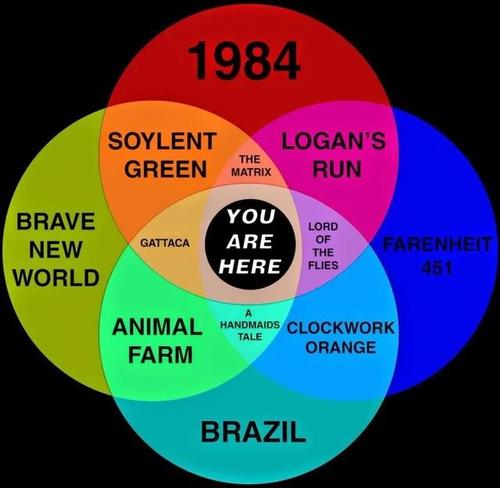
literary works as: ‘Lord of the Flies’-Golding; ‘1984’,
‘Animal Farm’-Orwell; and, given the wall obsession of
mental case mobster thief in chief trump, the film, ‘Escape
From New York’ (america - full wall enclosure/containment of
american criminality to america)-Carpenter.(The irony is not lost on
the Mexicans - Drudgereport: Mexico holds big music festival...Taunts
Trump: 'The wall is to protect Mexicans!')
]
LYING
DIDN’T WORK: THE PANDEMIC IS HERE
https://www.huffpost.com/entry/trump-pandemic-response_n_5e6d412ec5b6747ef11e4072
[
DUH! trump is such a pathetic piece of s**t! trump’s a total
joke/embarrassment in addition to mentally ill mobster/criminal! That
makes america a buch of jokers/accomplices! ]
https://www.huffpost.com/entry/seth-meyers-donald-trump-jr-coronavirus_n_5e5e096fc5b63aaf8f5c834f
Seth Meyers Exposes Fox News’ Coronavirus ‘Alternate
Reality’ of Blaming Democrats
https://www.thedailybeast.com/seth-meyers-exposes-fox-news-coronavirus-alternate-reality-of-blaming-democrats
]
FACEBOOKNEWS Robin Brown Quist
‘The
Atlantic’ The
Trump Presidency Is Over
It
has taken a good deal longer than it should have, but Americans have
now seen the con man behind the curtain. by Peter
Wehnerhttps://www.theatlantic.com/ideas/archive/2020/03/peter-wehner-trump-presidency-over/607969/?fbclid=IwAR25KrD_ML8MzmbtRSpYGCn55jO8Y9WzL53ea_scHN3ugNMCWH3OeRmsFWI
TRUE! Except for the shouting, as in the truism, ‘ALL
OVER BUT THE SHOUTING!
Seth
Meyers Exposes Fox News’ Coronavirus ‘Alternate Reality’
of Blaming Democrats
https://www.thedailybeast.com/seth-meyers-exposes-fox-news-coronavirus-alternate-reality-of-blaming-democrats
Seth Meyers Takes A Closer Look at a somnolent,
incoherent trump on coronavirus,
etc..
https://www.huffpost.com/entry/seth-meyers-donald-trump-jr-coronavirus_n_5e5e096fc5b63aaf8f5c834f
http://albertpeia.com/
http://albertpeia.com/evendworldwipeout.htm
http://albertpeia.com/theendoftheworld.mp4
http://albertpeia.com/mobfamilytrump.htm
america
is a total fraud!
http://albertpeia.com/
http://albertpeia.com/evendworldwipeout.htm
http://albertpeia.com/theendoftheworld.mp4
http://albertpeia.com/mobfamilytrump.htm
http://albertpeia.com/emailpelosi02-14-20.htm
[Email to Nancy Pelosi re: emails to Sen. Feinstein and Rep.
Royball-Allard, docs. To FBI, Coverup,
etc.]
http://www.albertpeia.com/ricosummarytoFBIunderpenaltyofperjury.pdf
http://albertpeia.com/peia.v.unitedstates.htm
[ america’s (non-governmental) criminal acts do not fall within
the ambit of governmental/sovereign immunity (as america has posited
many times as a rule to hold other nations liable for wrongful
conduct).
]
http://albertpeia.com/fbimartinezcongallard.htm
https://albertpeia.com/usadefault.pdf
http://albertpeia.com/sickopsychotrump.htm
http://www.albertpeia.com/donthecon.htm#current
http://albertpeia.com/defraudingamerica3.pdf
https://www.usdebtclock.org
https://missingmoney.solari.com
$21 TRILLION DOLLARS IS MISSING FROM THE US GOVERNMENT
globalnews.ca
https://globalnews.ca/news/4532575/jean-chretien-donald-trump/
Jean Chretien says rise of Donald Trump heralds end of the
American empire
http://albertpeia.com/clintonkillist.htm
http://www.newrepublic.com/article/143586/trumps-russian
Trump’s Russian Laundromat
http://albertpeia.com/peia.v.unitedstates.pdf
The Ultimate Question, As A Matter of Sanity/Rationality and Intelligent Historical Perspective, If You Were A Nation/State, Would You Be On This List of Great Nations That Predominantly Hate America/Americans?
Including DOJ/FBI
ie., http://www.albertpeia.com/112208opocoan/ricosummarytoFBIunderpenaltyofperjury.pdf and here and here and look here, generally for what everyone knows among many other filings, covered up making pervasive corruption in america, etc., possible.
September 13, 2018 to September 17, 2018
Think about it!......Let's Get It Right This Time!
September 17, 2018 to September 20, 2018
September 20, 2018 to September 26, 2018
September 26, 2018 to September 30, 2018
News, Headlines, Comics, Commentary by Month
November 1, 2018 to November 1, 2018
November 1, 2018 to November 15, 2018
November 1, 2018 to November 30, 2018
December 1, 2018 to December 3, 2018
December 1, 2018 to December 15, 2018
December 31, 2018 - Closing Out 2018
January 1, 2019 to January 1, 2019
January 1, 2019 to January 15, 2019
January 1, 2019 to January 26, 2019
January 1, 2019 to February 2, 2019
January 1, 2019 to February 5, 2019
January 1, 2019 to February 13, 2019
January 1, 2019 to February 14, 2019 (happy valentine teflon don)
January 1, 2019 to February 22, 2019
January 1, 2019 to March 5, 2019
January 1, 2019 to March 11, 2019
January 1, 2019 to March 19, 2019
January 1, 2019 to March 23, 2019
January 1, 2019 to March 26, 2019
January 1, 2019 to March 31, 2019
January 1, 2019 to April 7, 2019
January 1, 2019 to April 13, 2019
January 1, 2019 to April 22, 2019
January 1, 2019 to April 27, 2019
January 1, 2019 to May 3, 2019
January 1, 2019 to May 6, 2019
January 1, 2019 to May 8, 2019
January 1, 2019 to May 9, 2019
January 1, 2019 to May 13, 2019
January 1, 2019 to May 20, 2019
January 1, 2019 to May 26, 2019
January 1, 2019 to May 31, 2019
January 1, 2019 to June 5, 2019
January 1, 2019 to June 13, 2019
January 1, 2019 to June 22, 2019
January 1, 2019 to June 26, 2019
January 1, 2019 to June 30, 2019
January 1, 2019 to July 6, 2019
January 1, 2019 to July 14, 2019
January 1, 2019 to July 26, 2019
January 1, 2019 to August 3, 2019
January 1, 2019 to August 9, 2019
January 1, 2019 to August 15, 2019
January 1, 2019 to August 26, 2019
January 1, 2019 to August 31, 2019
January 1, 2019 to September 11, 2019
January 1, 2019 to September 20, 2019
January 1, 2019 to September 26, 2019
January 1, 2019 to September 30, 2019
January 1, 2019 to October 5, 2019
January 1, 2019 to October 10, 2019
January 1, 2019 to October 26, 2019
January 1, 2019 to October 31, 2019
January 1, 2019 to November 9, 2019
January 1, 2019 to November 22, 2019
January 1, 2019 to November 30, 2019
January 1, 2019 to December 13, 2019
January 1, 2019 to December 31, 2019 - Closing Out 2019
January 1, 2020 to January 13, 2020
January 1, 2020 to January 31, 2020
January 1, 2020 to February 29, 2020
January 1, 2020 to March 31, 2020 (scroll down for most current)
January 1, 2020 to April 30, 2020
January 1, 2020 to May 31, 2020
January 1, 2020 to June 30, 2020
January 1, 2020 to July 31, 2020
January 1, 2020 to September 30, 2020

The Latest Insult To Intelligence  YAHOO NEWS Politics The Daily Beast Fox's Judge Napolitano: Seems Trump 'Is Prepared to Commit a Felony to Get Re-Elected' Duh! Trump Is a Walking, Talking National-Security Danger The Daily Beast Donald Trump says he would 'want to hear' foreign dirt on 2020 election rivals The Telegraph
 Though Indisputably Mentally Ill, trump Is(Was) Still Lucid Enough To Recognize/Admit(knowing the extent of his criminal activities) Upon Appointment Of Special Counsel 'This is the end of my Presidency. I'm f***ed.'[Yes, don trumpboloni, you are!]
When Mueller was appointed, Trump said 'This is the end of my
Presidency. I'm f***ed.'
[ In a rational non-corrupted country of
meaningful rules of law that would be true; but, then there's reality ...
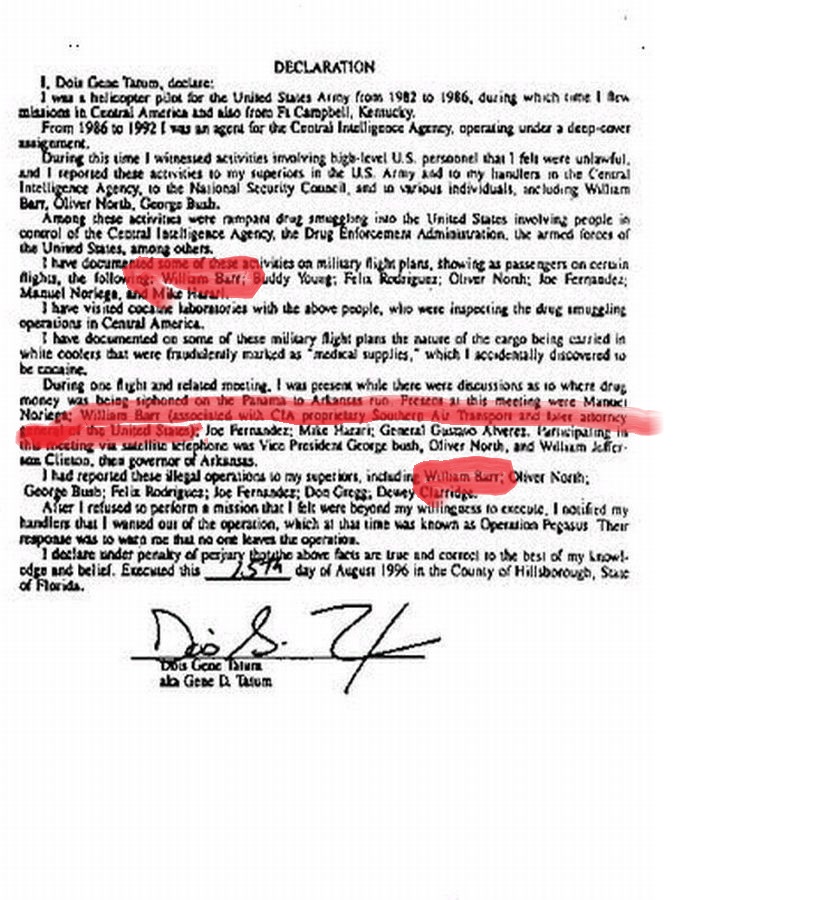
there's this: CIAAgentAffidavit1 ... william barr
(emphasis added!).....'
Russia Says 'New World Order' Being Formed...
[ Indeed, no joke; and,
guess what nation is no longer at the top of the New 'New World Order'
as had been promulgated once upon a time by poppy bush (deceased) ...
Borrowing the words of Timothy Dalton's Prince Baron to Sam Jones'
Flash at the close of (underrated) 'Flash Gordon' they say ... 'We owe it all
to you', (flash in the dust pan of history) Don! ..... Hmmm! ]
Barr Has a History of Writing Summaries That Obscure the Truth
A 1989
memo Barr wrote summarizing the 'principal conclusions' of a D.O.J.
ruling apparently left out several of those principal conclusions. [ Duh! ...
CIAAgentAffidavit1 ... william barr
(emphasis added!).....'.....
that's what he does This country, america's a total fraud!
.....'
'HARDBALL' Matthews Fumes: How Could They Let Trump off Hook?
[ How? That's what they do ..... That's all that they do ... Their
raison
d'etre
america the great fraud
Politics FOX News
Videos
Mainstream media stunned as Mueller report filed with no new
indictments planned
The mainstream media is stunned as the Mueller
report is filed with no new indictments planned. [ Stunned?
Suddenly they're interested in the truth? ...
america's a fraud ...
albertpeia.com ...
About Me ...
]
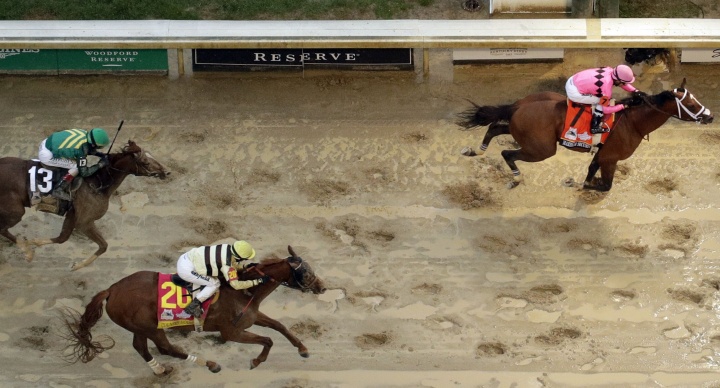
The Kentucky Derby 2019
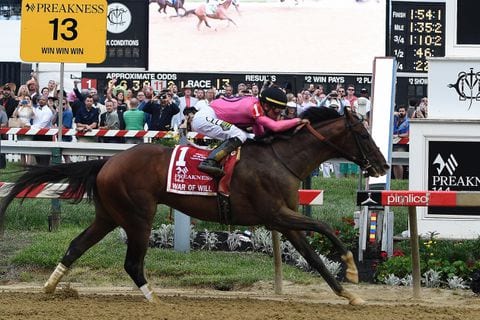
The Preakness Stakes 2019
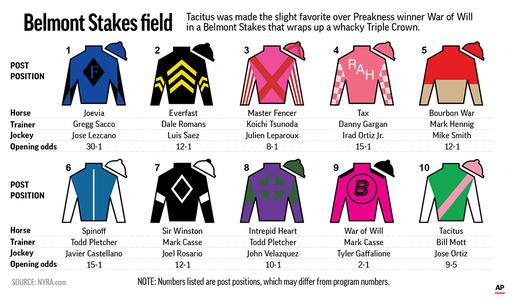
The Belmont Stakes 2019
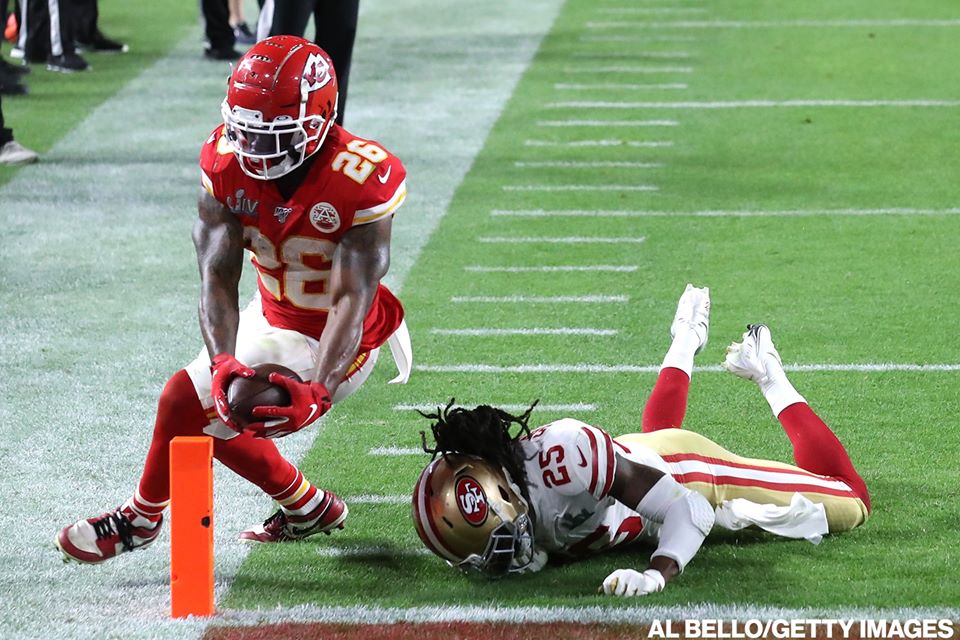
The Kansas City Chiefs' 31-20 victory over the San Francisco 49ers in Super Bowl LIV means that Reid is no longer the winningest head coach without an NFL title.
Reid is sixth on the NFL's all-time wins list. He has 207 regular-season wins and now 15 in the postseason
9-26-19
Before 9-26-19
In his investigative biography, Trump: The Deals and the Downfall, reporter Wayne Barrett wrote that Trump's life "intertwines with the underworld," and he outlined the real-estate developer's numerous alleged ties to organized crime, including that Trump:
There's just no excuse for the FBI/DOJ ..... Pathetic!
one
two
three strikes, usare out
Yes, the beat goes on ... the great fraud continues ... Christian, Biblical, among other scholars refer to the great fraud, whore, fallen america ... Topical Index
Barr: I won't be bullied into doing anything I think is wrong [ Anything he thinks is wrong ..... wow ... talk about a low bar (pun intended); viz., http://www.albertpeia.com/CIAAgentAffidavit1.jpg ]
William Barr: Vitally important Mueller finishes investigation
Trump AG nominee William Barr says Mueller wouldn't be involved in a 'witch hunt' [ Nor a bitch hunt as historically/traditionally the fbi norm promulgated by closet compromised homosexual j.edgar hoover (he hated those heterosexual Kennedys, liked johnson; hence, the lone gunman/no-federal jurisdiction assassination coverup) trump mentor/mccarthyite/ homosexual roy cohn, pussy-grabber trump ..... what a total fraud and sick nation america truly is! ]
Talk About Deep State ..... But Note: These Major League Illegal Drug Importers/Dealers Are Not Undocumented Illegal Immigrants
CIA AGENT'S AFFIDAVIT/DECLARATION
Take Note: Referenced william barr Emphasis Added
Just Before, Then Just After The Coverup ... How?...Where's The Outrage?
LET ME REITERATE:
One
Two
three strikes, usare Out
America's Global Nightmare On Pennsylvania Avenue
MIDNIGHT IN MOSCOW ... THE SLEEPER AGENT (defacto or dejure matters little) TRUMP AWAKENS ... The sleeper has awakened ... no, not
Maudib of Frank Herbert's fictional 'Dune' fame; but rather, more in the genre of Fred Forsythe, John LeCarre
(David Cornwall), and Robert Ludlum ... as in Moscow's sleeper agent has awakened [(for the benefit of trump's
'informed, learned, intelligent, educated and unwavering core supporters' ...hmmmm..., Moscow is the capital of
Russia (and the former Soviet Union)] ... One, and only one nation benefits from the exit of america from NATO as advocated by 'the donald' ... If you guessed Russia ... you guessed right ... maybe deal-meister/artist trump has rights to new berlin wall/iron curtain construction contracts ... WOW! ... Then there's (trump fan) denny rodman's bro, kim jun ill of No.Korea, whom trump says he'll court saying that South Korea and Japan could also get nukes ... sounds like a plan, don ... NOT! ... america's nukes will work just fine on north korea ... Yes, Russia's sleeper agent trump has awakened - 'Redrum' dawn? (that's murder spelled backwards ... 'the shining', sea to shining sea, hmmm) ... If THEY don't take trump the mobster down, if THEY let the 'say anything dissembler' get away with what he has already gotten away with, no citizen, nor leader in america or any other affected nation should even minimally follow much less sacrifice for misguided, misdirected american policy.
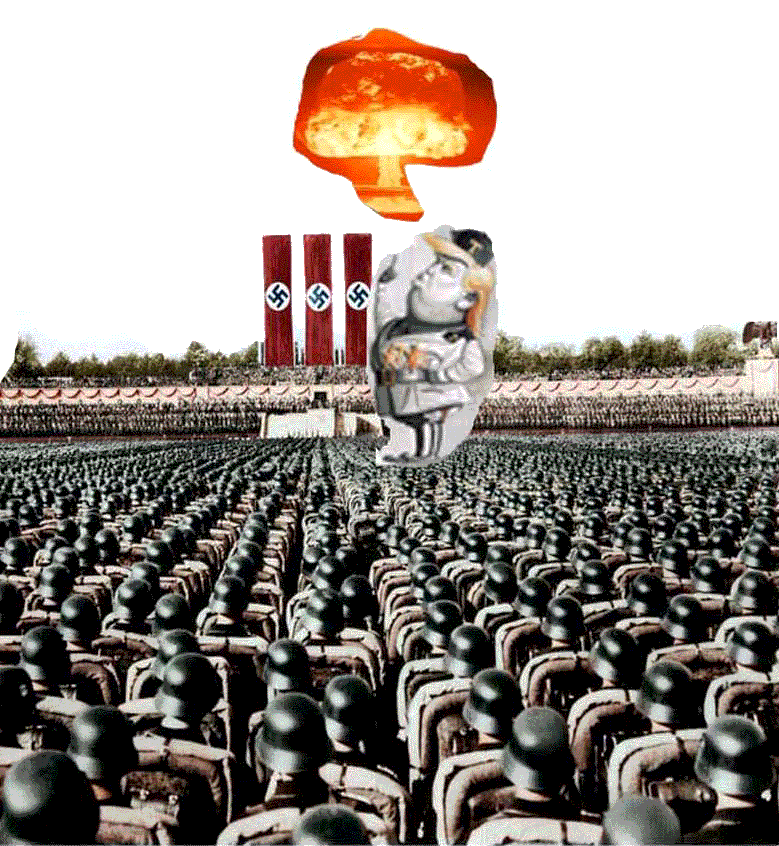
These 27 Psychiatrists Felt Compelled To Weigh In On 'The Dangerous Case Of Donald Trump'
An Important Read! 
America's Global Nightmare On Pennsylvania Avenue
I Personally Believe trump is a Certifiable Psychopath Clearly of the hitlerian Variety...
Charitably, trump's at the Very Least, a Classic Narcissist Narcissistic Personality Disorder
Yes, the beat goes on ... the great fraud continues ... Christian, Biblical, among other scholars refer to the great fraud, whore, fallen america ... Topical Index
The Ultimate Question, As A Matter of Sanity/Rationality and Intelligent Historical Perspective, If You Were A Nation/State, Would You Be On This List of Great Nations That Predominantly Hate America/Americans?
The Kentucky Derby 2019
The Preakness Stakes 2019
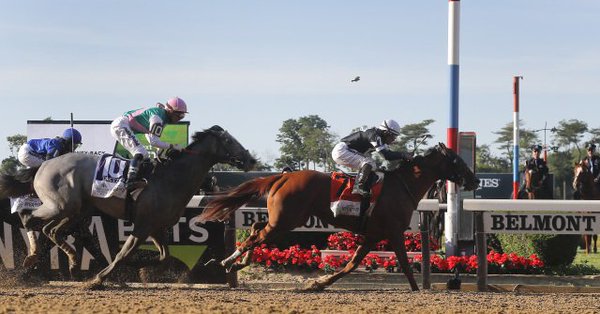
The Belmont Stakes 2019
Each State Perfectly Portrayed By One Photograph ... editorial ...December 14, 2018 Emily Smith
CNN/CBSNews Gun Ownership Rank By State
From Hollywood, Woody Allen Brought Us The Story of the Omnipresent Zelig ... From Crazytown USA, The trump Whitehouse Brings Us, Ivanka the Rapper
America's Global Nightmare On Pennsylvania Avenue

IMPEACHMENT RESOLUTION (pdf) http://albertpeia.com/impeachmentresolution-BILLS-116-191029.pdf
COMPLETE MUELLER REPORT (pdf) http://albertpeia.com/mueller-report-searchable.pdf (recommended)
MUELLER REPORT (html) http://albertpeia.com/MuellerReportSearchableDocIndexNYT.htm
MUELLER REPORT (18 page summary) (pdf) http://albertpeia.com/muellerreportsummary.pdf
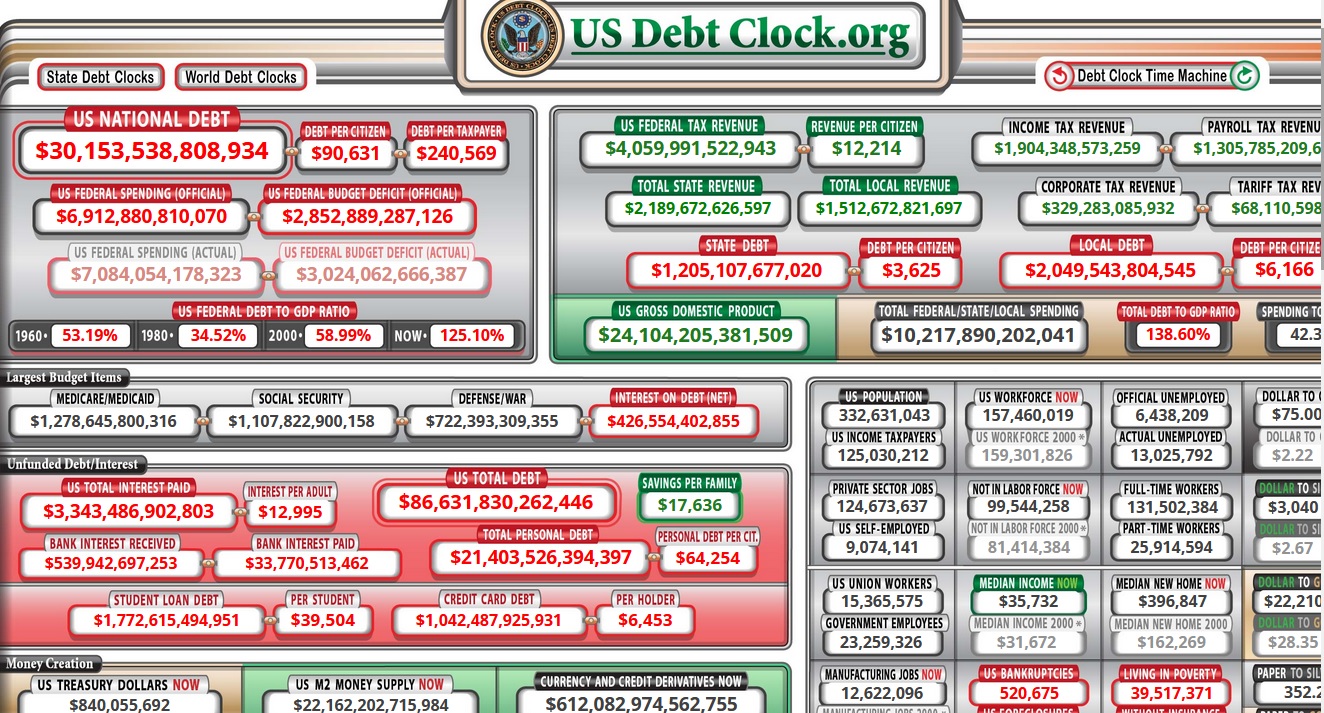
National Debt - These real-time numbers are unsustainable and insurmountable!

In 2018, it’s estimated that natural disasters
cost the nation almost $100 billion and took nearly 250
lives.
Mapping data reveal that there’s nowhere in the
United States that’s particularly insulated from everything.
[ Then, of course, there's that unnatural disaster named trump, et als! ]




11-26-17: Ravaging, raging fires ... blame it on 'climate change/global warming' ... riiiiiight! ... wrong! ... I personally believe the vast majority of these life/property altering/destroying wildfires are the result of arson ... hardly a new phenomenon for america where a vast majority of people are criminals or mentally ill ... from an anthropological perspective, breeding populations at their worst, a manifestation of evolution/devolution in real time ... I've experienced two arson fires here in california (but plenty of criminality in the mob infested regions back east), the last of which occurred in san diego county where my 39 foot holiday rambler was set ablaze with all my belongings, ie., computers(10 - 1 apple/mac,2 laptops,7 desktop pcs.), printers/scanners, storage drives, documents/disks, appliances, clothes, id's, an elliptical exercise machine, a combo multi-exercise weight machine (total 250 pounds), pair 35 pound solid chrome/rubberized dumbells, 26 inch tv, dvd player, 2 microwaves, etc.. I barely escaped with my life ... Of course, the fire department did their usual laudable competent best though it was a total loss ... But, it was the Red Cross that provided the most immediate assistance thereafter ... a few scars, singed hair, I survived ... with hindsight seeing what should have been obvious signs of my impending peril ... an existential experience, to be sure, as I reached in to save/retrieve my laptop and wallet which seemed safely within reach since though burning my arm/hair did not seem lethally hot ... adrenalin at work, I deferred to an intellectual assessment 'not worth it' which, looking back, saved my life when the 'rv blew' ... [ For clarity, it should be noted that mine, I (not even a tree) was the only arson (fire) casualty, as intended. ] Mission accomplished ... for quite some time rico defendants and their ilk/sympathizers/facilitators and typically corrupt goverment people (state/local/federal) have sought the same ... coverup/corruption/criminality/insanity, thy name is america ... Yes, trump is correct in stating the truth about the pervasive corruption/criminality in america/american government which he knows directly having been part of same as pointed out elsewhere on this website, ie., http://www.albertpeia.com/112208opocoan/ricosummarytoFBIunderpenaltyofperjury.pdf (hopefully he'll do the right thing and resolve this as set forth therein since, his sister played a significant role for the mob defendants who were laundering substantial sums through trump casinos and refused to recuse herself in light thereof ... and, do not look for a formal commitment of bookkeeper peter baratta inasmuch as in ie., new jersey/new york particularly, if the mob tells you to voluntarily commit yourself to discredit statements/testimony, you commit yourself which upon information he did at their direction), ... When you think San Diego, you think Camp Pendleton Marines, ships, Navy ... Reality check ... Did you know of san diego's rich mob history? ... wop al capone's home away from home (corrupt criminal land chicago) and loads of mafia wannabes ... As surprising was the totally backward nature of the county where their own breed of hillbillies who like mafia wannabes will do anything for a buck ... shortly before the torching I was paid a visit by sheriff's deputies in swat regalia including serious weaponry, in search of a serious hillbilly fugitive (yes, they got him) ... and yes, at night you can hear serious gunfire ... nothing like putting me in the line of fire ... accidentally on purpose? that would be typical americana ... lies, fraud, corruption, criminality ... yes don, thy name is america! (I'll be further adding to/updating this...)
Why buy an rv? My LA rent was going up by over $400/month. Interestingly, pulitzer prize-winning author John
Sanford had a snobbish, despicable character in one of the many books of his I had read, albeit after the fact of my purchase of my holiday rambler. Said character lauded and loved his holiday rambler. The succinct takeaway by Sanford, he states: regardless of the rv model/make, ultimately you're still in a trailer park (and all that entails) (ie., for electric/water/sewage/garbage, etc.). As with boats, I posit that the only happier day than the day you buy the rv is the day you sell it.
Indeed, it was always something. And, they could easily make it something (sabotage). One of the local hillbillies, an alleged so-called 'certified rv tech', greg mingle diagnosed a need for a new carburetor. Well, after paying for same and labor, it turned out to be not the carburetor. He brought a strong arm with him who said his last name meant mafia in italian. Mingle confessed
he didn't like LA or San Francisco because unlike san diego, the people there were snobby (that hillbilly inferiority complex). This was around the time of Clint Eastwood's 'american sniper' and in passing he stated is service experience was that of a sniper, rated/good for 1200 yards (riiiiight 'american mental case', you belong with thousand trails san diego county).
I did secure the services of an honest former military man shortly thereafter who was an absolute genius for such things which included a degree in computer science. To litigate this rather small case against mingle in court would not be worth my time and would still require a leap of faith by me in the american system ... which based on direct experience I do not have.
Why San diego county? Never been there ... had no idea ...
The couple from whom I bought the rv lived in lakeside in san diego county. Then the problem of what park/availability/in proximity, etc.. The only available slots were at a large park run by chicago-based thousand trails (yes, a nationwide chicago company run by a guinea as I later learned ... how very "capone". ) I did a month-to-month rental of $550 including all utilities. I was ahead from a rent perspective. Problem: thousand trails did not have the proper permits/zoning for such rentals. Other options became suddenly encumbered by politically contrived/motivated problems despite prior acceptance and hence, waiver. I had bought an additional rv for the mountain location but got resistance as follows. Many employees, particularly regional employees, had real self-esteem (inferiority complexes) problems; some, as in one related mountain park, having been born and raised in such (ie., hillbillies, etc.). Then there was the nearness to the border and the defensive attitudes of hispanics as a consequence of the enforcement emphasis by the new administration.
The person from whom I purchased the second rv for the required week out stay (3 in 1 park and then 1 in the other park)(and returned because the same was rejected by the mountain park manager/hillbilly. I had to remove same and returned it to the hillbilly from whom I bought the 24 foot itasca rv and took the financial hit. Ultimately, through another contrived scenario I was required move the 39 ft. holiday rambler, and moved same to another part of jamul (hillbillyland) where the hillbilly who owned the itasca owned 40 acres and was setting up an rv park. This hillbilly, carl dykema, seemed to be a hard worker; and, having a misshapen chest/deformity, etc., engendered my sympathy (never again). He also did not have the proper permits ( see letter from county here). Moreover, it turned out that as is so for many of the hillbillies, pot was his hidden crop for which he served jail time. He was a lying scumbag and threatened to lie to the sheriff which all seemed "set to music"/contrived/set me up. He also had other minor fugitives (confessed to me along with dykema's prior pot growing history)hiding out in rvs on the premises who provided manual work in lieu of rent. Don't think same an act of mercy/charity ... these people were used and abused by dykema (hours, "hiding out", camouflaged rvs to avoid detection, conditions, etc.). There were nights subsequent to the deputies' search for the hillbilly fugitive that I lay awake concerned that if they did their worst, being in the hills of hillbilly land, the same would defy detection. This has been among the worst experiences of my life and there should be warning signs throughout san diego county.
[ Upon reflection, in sum, dykema was a sly, elusive, combination of unconflicted liar, criminal, mental case, sorely in need of psychiatric analysis/therapy he has for quite some time needed but never could nor was inclined to get; a hillbilly, to be sure, but also a cancerous affliction to those whose misfortune it was to be around him ... bad news!]
[While doing updates here, let me further correct a prior posted personal belief; viz., that Edward Snowden was lamenting his choice of russia vs. the u.s.. Specifically, he's now worth almost $10 million, all post u.s.. Similarly, trump's russia ties have not hurt him ... Former Director of National Intelligence, James Clapper: Putin is handling Trump like a Russian 'asset' Business Insider , Forget Trump's national security 'strategy.' Pay attention to Clapper instead. Washington Post ]
The SAG Awards 2020
2020 Golden Globes Winners and Nominees
The Oscars 2019
The Kentucky Derby 2019
The Preakness Stakes 2019
The Belmont Stakes 2019
Superbowl 2016 Commentary
Some inside views - Disaster Afoot
Jim
Rogers On Opportunities In Russia & Other Hated Markets
The
US' Suicidal Strategy On Ukraine
Ukraine is back in the news cycle and for good reason as
shelling continues even after the Minsk 'truce' deal. So what? The average
American might ask. Ukraine is half a world away. Who cares what happens there?
Putting aside the humanitarian reasons for not prolonging or intensifying a
regional conflict, we risk not just only America's century-long ties
with western Europe, but possibly the next world war. We are pushing
our agenda and armaments right up against the Russian border -- for reasons
that are still completely opaque at this time -- and Russia,
understandably, will simply not stand for that.
Barbara
Bush: 'I changed my mind' about Bush dynasty { bush league disease is contagious ...read her lips, no new bushes ... I have to take back the credit I previously
gave her which is the reason for this post ... but, which position sounds more
true ... Lots of lobbying/pressure in the bush league which is part/parcel of
being bush league ... decades ago I referred to her as poppy's 'Picture of Dorian
Gray', wearing the innumerable bush crimes (poppy's confessor), in large part
inherent to bushes as well as being indicative of their total lack of talent, ability, competence and essentially vegetable
status except when they're enabled for destructiveness/venality/and check out
poppy's cocaine connection/high end imports (along with clinton et als) http://albertpeia.com/CIAAgentAffidavit1.jpg and, of course, cocaine, etc., use by obama, dumbya bush, clinton already widely known/documented
- fluff 'jobs' (money to jenna, chelsea, et als for something like
nothing at/from, ie., that bastion of journalistic 'excellence', viz., ie., brian williams' nbc, etc. ). And, don't forget l'il jebby, his 'own man', but with all the bush parasites, ie., neo cons, lobbyists, bureaucrats, hangers on, military industrial complex opportunists, etc... riiiiight! l'il jebby, your own man ... your *ss ... RAND PAUL CALLS OUT JEB BUSH ON MARIJUANA By Katie Brinn 'Sen. Rand Paul slammed former Florida Gov. Jeb Bush for hypocrisy on marijuana in an interview Wednesday with Yahoo Global News Anchor Katie Couric. Responding to recent revelations that Gov. Bush smoked pot during his teen years at Phillips Academy, Paul pointed out the flaws in Bush's opposition to medical marijuana in his home state. Sen. Paul, who has hinted about his own wild college days, was quick to clarify that he did not fault Bush for having 'made mistakes growing up.' Instead, he took issue with Bush's inconsistent views on the drug. 'If you've got MS in Florida, Jeb Bush voted to put you in jail if you go down to a local store or a local drugstore and get medical marijuana ... and yet he was doing it for recreational purposes.' To Paul, it was Bush's privileged upbringing that spared him the harsh penalties many Floridians still face when they entangle with marijuana. 'It was a different standard for him,' the presidential hopeful explained, 'because he was from a wealthy family, going to a very wealthy school, and he got off scot-free.' ' } Washington
Post | ... former first lady Barbara Bush said there had been 'enough Bushes' in
the White House... { INDEED, THERE HAVE BEEN! ... TOO MANY ... BY A COUNT OF TWO! ... She was right the first time she addressed the issue from heart and mind! }
Inside the Beltway: Scott Walker inherits the 'Mitt Romney vote'
Washington Times The catcalling press
continues to trail after Wisconsin Gov. Scott Walker, hoping to make an issue
over his lack of a college diploma, among other things. { Diploma? ... Dumbya bush has 2 diplomas and
can't think his way out of a paper bag and barely can speak his (one and only)
native language http://albertpeia.com/bushisms.htm
bushisms from bush the brain-damaged
moron ('gentleman's Cs'? ... I think
it was Milton Friedman who once said that dumbya bush would have flunked out of
the University of Chicago ... I believe that)... I respect education ...have three degrees (etc.) myself (NYU B.S. Bus.Adm.
1973, eves NYU GBA MBA Finance 1977,
eves NYLS J.D. Law 1981) http://albertpeia.com/alresume.htm
and I can honestly say given the pervasively corrupt/fraudulent state of this meaningfully
lawless nation, Finance along with Law have been rendered irrelevant (to ie., valuations, etc.) and
meaningless ( see, ie., http://www.albertpeia.com/112208opocoan/ricosummarytoFBIunderpenaltyofperjury.pdf
http://www.albertpeia.com/112208opocoan/PeiavCoanetals.htm
http://albertpeia.com/fbimartinezcongallard.htm
) ... What can he do must be the fair question for these dire/perilous times ... }
11
Predictions Of Economic Disaster In 2015 From Top Experts All Over The Globe
http://albertpeia.com/topexpertspredicteconomicdisaster2015.htm
Another View from Harry
Dent - Disaster
http://albertpeia.com/dentjan2015forecast.htm
More Pictures From The Windmills
Of William Banzai's Mind
FRAUD, CORRUPTION, INHERENT CRIMINALITY FROM SEA TO SHINING SEA
Sincerely,
Albert L. Peia
EXIT: Holder Blames Race for Criticisms { Criticisms? ... How 'bout documented criminal cover-ups, corruption, venality, and
anti-white racial bias ... then the complicity in the wall street scams/frauds/crimes when
as pointed out by a mark levin caller, the pennies on a dollar 'settlement'
(cut) for documented drug money laundering by HSBC and no prosecutions (so, why
is the money laundering so significant, deleterious, and NOT desirable as
Bloomberg, the 'anti-soda king of nyc' implies? ... The short answer is that in a
nation as corrupt and venal as america's become where the 'color of all money
is green' regardless of source/motive/quid pro quo, the recipients of or those
benefiting from the illicit funds are no longer objective and have essentially
ceded the nation/national interest to some very brutal, nefarious, criminals/criminal
interests compromising, corrupting if not ultimately controlling the highest
levels of authority/government decision-making processes and as well, the
courts - bribery is one of those pervasive eyes wide shut realities,
particularly in NY/NJ, etc., USA.) ... the irresistible race card oft used by him and typical blacks like him ...
How pathetic! ... A positive for holder, as Levin, the jewish lobby apologist can't
help but sluff off/cut-off the caller elucidating the obvious wall street modus
operandi (Why did levin do that?) so evident in the levin-hannity world of
nyc/washington finance in which they operate with eyes wide shut ... Now I can
say, thanks for the Milton Friedman talk/recording but I won't be listening to
Levinnity anymore ... he bores me to tears! }
Interim Updates 02-16-15 to Current Date
Note 4-27-14: I'm here in San Diego County in my new/old 39 foot Chevy Motorhome. I can't get a signal for my Verizon
LG smartphone (I'll be taking a spin in my Ford Explorer in search of a signal; my VOIP phone, magicjack
requiring a broadband connection, is currently not up except for voicemail). The wifi internet connection also
limits the uploading of files so not all the images in the folders/directories to interim updates are included
(I'll create a separate complete update page later with broadband connection). The following are currently the
updates with said limitations:
Interim Updates 102613-012515
Today's Business Summary / Links
Today's Daily News / Topics
The radio reception is also limited which led me to 'sample' some limited AM offerings which included shallow
sean hannity the hallmark of insanity, and 'rush revere' [limbaugh ... he's totally burnt out (the consequence of
his being 'tired of carrying the water for the republican party'? - his own words), relegated now to authoring
children's illustrated books of a simplistic nature]. Shallow sean's latest 'crusade' (beyond the same note/key
obvious debacle of wobamacare) was defense of the indefensible mobster but friend of sean's, donald trump (trump
should be in jail ... or a mental institution in light of his documented enthrallment with/by the speeches/orations of none other than adolph hitler which he would repeatedly play ... for inspiration? ... kindred spirit? ... { as per Ivana trump as set forth by author O'Donnell } ) . In defense of t_rump, he offers up the itsy-bitsy, teeny weeny wohlman skating rink project
as evidence of t_rump's contribution to NYC (too small for high new york priority given the magnitude of New York
substantial problems, some largely the result of trumpish tastes, ie., solid gold trump tower fixtures, etc.,
that trump's 'pre-packaged bankrupcies' seem to fail to touch, and which extravagance must be paid for by
someone, but not him). Shallow sean's excoriation of new york city never seems to link the obviousness of
t_rump's grandstanding responsibility for same. After all, someone ultimately has to pay for trump's
disproportionate non-value-added livin' large. No talk of trump's ingratiating bribe strategy for protection (
ie., 'retainers' to law firms linked to state attorney generals, viz., {kimmelman} wolf and sampson, chris
droney's brother, his sister's protection/corruption and quid pro quo from the federal bench, etc., and as well,
protection of drug-money laundering through his now nominal only casinos ... See, ie.,
11-30-14 Though it should be obvious from that set forth within, let me be clear and not
disingenuously obfuscate: I WOULD BE AGAINST ILLEGAL IMMIGRATION EVEN IF AMERICA WAS NOT BROKE/BROKEN/DEFACTO
BANKRUPT! (america is broke/broken/defacto bankrupt). Truth be told, however, I no longer even care given the
protracted corruption of the process ( this is long-standing, entrenched, pervasive, even blatant corruption and
'known to all', but covered up ) and am concerned only with the resolution in accordance with law as set forth in
the RICO summary set forth above and herein [ a current client of Louis Freeh (now in private practice) fairly
recently this year called me seeking my help concerning common defendants (shiff/coan/miltonberger) and in
communicating (email) with former FBI Director Freeh regarding same I also inquired of/sought Mr. Freeh's retention as my
attorney concerning the RICO matters (the documents/links as filed, including the RICO Summary, nunc pro
tunc, FBI/CIA agent affidavits were sent to him as they were also sent to Senators Feinstein and Warren in
reply to their emails to me) ].
That trump is a mental case should be obvious to anyone. Yet, as a matter of fairness and balance, so as not to
appear biased, I also agree with Marc Le Vin (760 am radio) that obama's a mental case [ I had no idea that as
pointed out by LeVin, by self-admission, obama used to be whipped/beaten by his white grandpa; having been
'pawned off on them' by his wanderlust white mom and abandoned by his drunken, philandering black father who had
returned to kenya ( shades of neil young's 'Southern Man' - southern hawaii man? ... , I personally always preferred Lynnard Skinnard's
playful retort to same in 'Sweet Home Alabama'.) ] As LeVin points out ( once a lawyer), LeVin's cuts to actual
words much like one would cite legal precedent in a legal brief is persuasive. I invariably turn him off when he
gets into the pro-israeli propaganda/rants which cannot be reconciled with america's interests and has been
detrimental to same with israel making their often self-created problems/provocations/illegal acts america's
problems. I particularly welcomed LeVin's playing of Milton Friedman's discussion of the ill effects of (illegal)
immigration. I had read quite a bit of Friedman in my MBA studies, agreeing with only some, not even nearly all,
of his monetarist positions (neither am I a Keynesian); but, for the first time hearing (in his actual voice) his
recorded view regarding immigration, I was astounded by his eloquence and command of persuasive facts. And, as
I've previously pointed out, such irrational, race-baiting rants as from the likes of sharpton, jackson,
farrakhan, holder, et als, as encouraged by obama do not comport with the realities of crime, crime stats, black
on black crime, black on white crime, etc.. 2-26-15 Another position (if I recall correctly, having heard some decades ago) of Milton Friedman I agree
with is the localization of legislative mandate, the rationale being the maximization of liberty, freedom of
choice, and facilitating a thriving, successful democracy (democratic republic). Specifically, the logic is
that if one disagrees with such legislative approach/imposition, one may move to another locale, state,
municipality, etc., more consonant with legally and constitutionally based notions of 'life, liberty,
and pursuit of happiness'. Such an approach/logic has been key to america's past success as opposed
to the contraindicated centralized, misguided, politically motivated, often unlawful tyrannical/despotic
approach which is key to america's current decline and failure.
The following in correspondence by me upon query in pertinent part so as not to appear hypocritical:
'Newly appointed judge, Maryanne Trump Barry, Donald Trump's sister, was assigned the RICO case despite the
conflict of interest in light of hundreds of thousands of dollars of illegal (drug) money being laundered through
the Trump casinos by the RICO defendants and despite my motion to recuse her which motion she heard herself and
denied, and U.S. Trustee Hugh Leonard with whom I met personally refused to join or file a separate motion to
recuse and not long thereafter left said office for private practice at Cole, Shotz, et als on retainer with the
RICO defendants as his primary client. One FBI agent here in Cal with whom I met quipped he had a multitude of
drug-money laundering cases (he was transferred not long thereafter). I was 'painted' as anti-Italian, which was
ridiculous. A seasoned, respected lawyer I went to see said 'they' were 'trying to paint me black', which was
equally preposterous [ I had around this time successfully zealously represented a black man recently out of the
service/army, first in federal court, and then at (state court) trial regarding an accident and consequent
mortgage arrearage/default]. Parenthetically, my grandparents, both of whom I loved and respected , Elsie/Nanny,
Bari, Italy (she didn't particularly like italians) and Martin/Mario/PopPop (Peia), Lake Como, Italy (but, ancestrally Greek), were
thoroughly modern in all respects relative to time and extremely civilized in a manner to be emulated'. I saw my grandparents after
church each Sunday and on major holidays, ie., Christmas Eve, etc., events, ie., confirmation, etc., and 'special fishing trips'.
Horrific
Torture Report Shows Why Much Of The World Considers America To Be The Nazis Of
The 21st Century Michael Snyder {
Me: Yeah ... it's really quite amazing (but predictable) that Senator Feinstein
would be the 'bad guy' in all of this ... What was she supposed to do ... cover it
up? ... pretend she didn't do a job entrusted to her? ... make the expenditure of
time, resources, and energy compiling this reality a mere folly and hence, a
typical government boondoggle? ... Is anybody so foolish as to believe anything
the rebuttal /cia /bureaucratic cheerleaders say? (Oh well, cheerleaders,
drunken ones at that is something dumbya bush did at yale ... not to be sexist
but, really, how embarrassing for a guy!) . As far as worsening the perception
of america in light of this report ... WAKE UP! ... can't get worse than it already
is, is (the meaning of what is, is). Look ... bush, cheney, et als are war
criminals; and, as in nazi germany, that 'just following orders thing' just
doesn't cut it ... Does anybody recall dumbya bush making a joke of the
non-existent wmd's (one of those Washingtonian special dinner events, I don't
recall which one ... we're talking certifiable socio-psychopathic behavior as was
true of the nazis ... 2-10-15: So, if torture is almost invariably unreliable (according to the vast majority of non-partisan experts) since THEY ALL BREAK (ask McCain, the Vietnam 'songbird') and say whatever the torturers want them to say or what they're led to believe or think the torturers want them to say, why do they persist in the use of torture ... I believe the answer is quite simple: viz., such 'confessions' (recorded and proffered most often sub-rosa) often provide their cover for the inside jobs (ie., sought after 'pearl harbor events' to rally demand for military industrial complex ramp-ups and fog of war opportunities for self-enrichment ... don't forget, 911 is one among many in a history replete with many other such 'war-rallying ('false flag') events' and provided even a 'stand-down' order to assure effectiveness ... who can give such an order and why ... Wake up! ... The latest from the 'Windmills of William Banzai's Mind' }
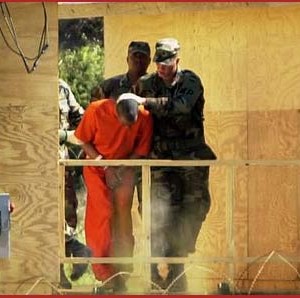

New
Law Would Make Taxpayers Potentially Liable For TRILLIONS In Derivatives Losses
Michael Snyder { Me: Yeah ... it's really
quite amazing (but predictable) that Senator Warren would be the 'bad guy' in
all of this for standing against this wall street enriching paper/digital fraud bailout
/debacle ... again ... though promised by Washington, 'never again' ... Remember,
as previously set forth innumerable times in this site, only a small fraction
of what wall street does is a net economic positive in real economic terms (less than 5 percent) ... Think of these
technologically enabled lightning-fast worthless paper/digital commissioned
bubble frauds as 'liquidated babies' down the drain (wall street) with the bath water,
termites eating away at the foundation/fabric of the nation, etc.. They must be
prosecuted, disgorgement imposed for their gargantuan frauds, not
rewarded/bailed out/positively reinforced/conditioned for further nation-destroying
behavior ... }
I strongly recommend the (by necessity) independent film, 'Killing the Messenger', the story of journalist Gary Webb who documented cia/government involvement in the illegal drug trade and was killed execution style for his laudable but thankless efforts ... Well done and highly recommended by those close to the truth, the film stars Jeremy Renner of, ie., 'Hurt Locker'/'Jason Bourne', etc., fame ...}
CIA
AGENT EXPOSING HIGH-LEVEL ILLEGAL DRUG SMUGGLING LINKS ( *** NOTE: BUSH, BARR, CLINTON ET
ALS *** )
CIA Agent Affidavit
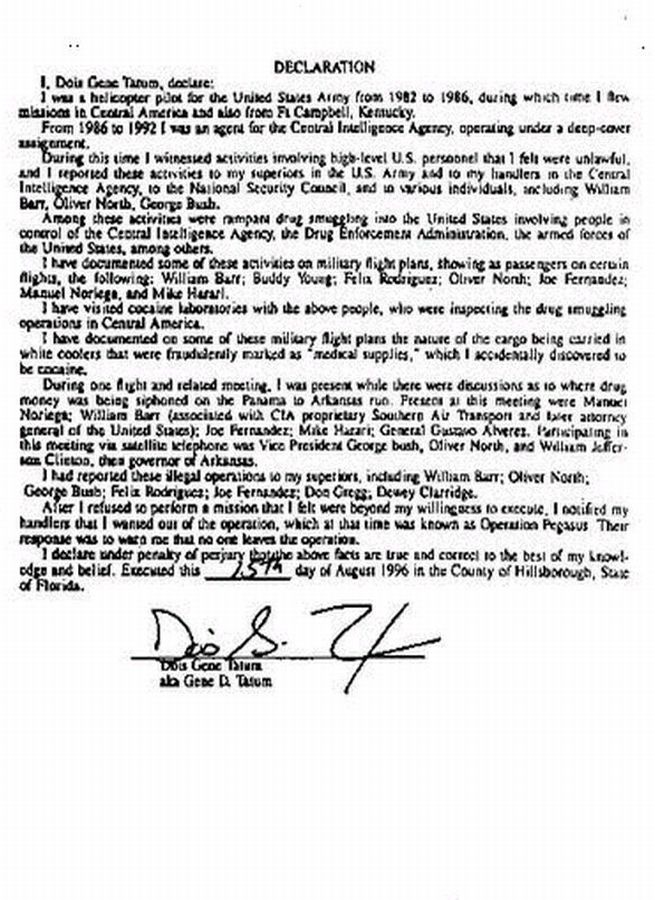
FBI Agent Affidavit
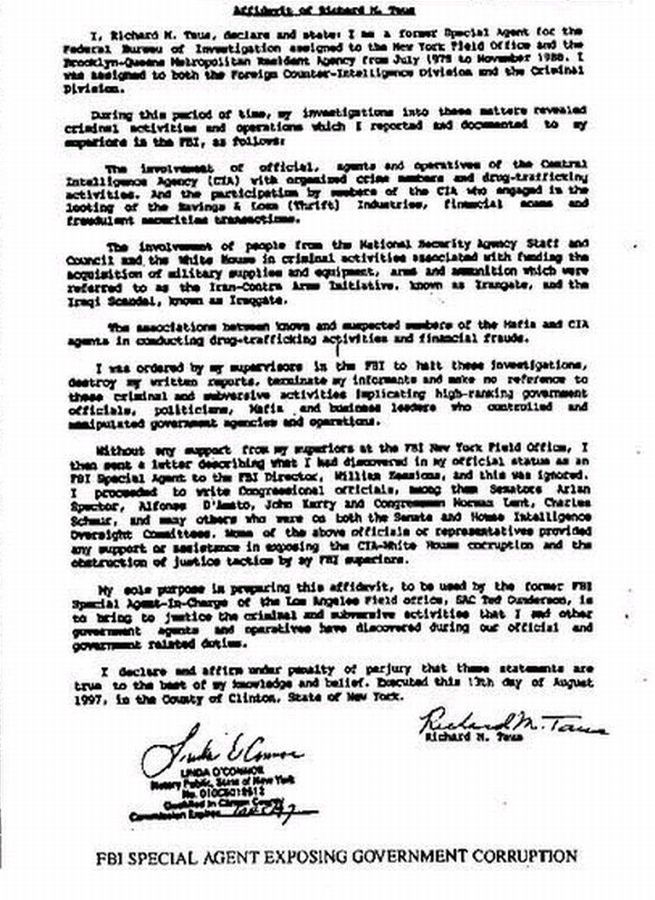
*** Please Note: This is an interim update page, chronologically based with important articles noted since 5-31-13 ......... *** Please Note: As of this day, 5-31-13, there will be a hiatus in updates to this website owing to matters that for quite some time have required and continue to require my substantial attention; and, as a matter of candor, the same includes a long overdue fishing trip; so, in the words of those famous american poets/philosophers, quoting: 'See you, in September, see you, when the summer's through, Here we are, saying goodbye for the summer, summer vacation, is taking you away, Have a good time, but remember, there is danger, in that summer moon above ...' ... Danger indeed, the lunacy of fraudulent wall street having spread nation-now-world-wide, the now ubiquitous consequent disaster afoot, I hope you sold in May and go away ..... *****
This is the San Diego County desert campsite (yes, there are hot showers, swimming pools, hot tubs,
bathrooms, running water, electric, ball field, basketball court, laundry, general store, jogging trails, etc.
...); and as well, Venice Beach where I spent a good amount of time the past two summers:
Desert/Venice Beach, WMV file, 3 minutes, 17mb
Desert/Venice Beach, AVI file, 3 minutes, 13mb
'Room With a View' ... NOT ... 'To Live and Die in LA' , The Desert , Venice Beach
Downtown LA/Desert/Venice Beach, avi file, 5
minutes, 58mb
3 (Plus) Days in the Valley ... 'Hurt Locker' , 'Room With a View' ... NOT ... 'To Live and Die in LA' ,
The Desert , Venice Beach
3+Days in the Valley/Downtown
LA/Desert/Venice Beach, avi file, 7 minutes, 97mb
The Desert Gym
3 (Plus) Days in the Valley ... 'Hurt Locker' , 'Room With a View' ... NOT ... 'To Live and Die in LA' , The Desert , Venice Beach, The Desert Gym
IT TAKES MORE THAN A TYPICAL JIVE-TALKING, LATENT GAY, MENTALLY TROUBLED MULATTO NEGROE WHO HAS NEVER DONE ANYTHING OF SUBSTANCE IN HIS LIFE TO CHANGE THE CONTINUING COURSE OF DECLINE OF A CORRUPT BANKRUPT NATION AS AMERICA
'The Obama Deception':This well researched / produced video tells the real story and is well worth a look.
EPITAPH FOR AMERICA: Nothing quite succeeds like failure in america. I had tried to help underdog (and outsider and former missionary and hard worker and straight shooter) Mitt Romney by coming out early and unequivocally in support of him and change in the disastrous direction of america, unequivocally in decline. Importantly, that also gave me 'license' to say what needed saying but what everyone considers politically incorrect, impolitic, or brutally honest and/but are afraid to say. The key(s) to the election debacle here were the threat of riots and violence by the typical uncivilized niggers. After all, americans generally are without doubt an inherently cowardly people and war-mongering bullies as indicated by past and recent history. I saw this first hand by particularly that screaming old lady lying on the ground, blood streaming from her mouth, purse stolen by the nigger who calmly walked away as whites among others walked past her by in fear (see immediately infra). Truth be told, I bit my tongue and cringed at every Romney link to corrupt, venal war criminals/criminals/mobsters bushes, cheney, trump, kean, (republicans alito, et als) etc., who have substantially damaged me (along with referenced democrats, to be fair). Then there's that contra-indicated love-fest with war mongering/war crimes nation, illegal nuke totin' israel (almost more than I could bear). On the positive side, trusting in GOD only as I do, I must confess I was happy to see the destruction of the jersey shore and appropriately, rockaway beach, queens, new york (jersey mob and gambino crime family connection). A lesson to all, Romney particularly, never trust a half-breed sicilian former federal government slug, that rotund humpty dumpty christie of jersey infamy. Amazingly, the very people who've been and will be prospectively damaged by nothing more than a mentally troubled fraud, grifter, jive-talking b***s*** artist obama, gave him the blind support he needed to prevail regardless of his unequivocally failed four years of prior broken campaign promises, reality, and rationality. Self-destructive, mentally challenged/troubled losers? That fits! That america is a hopelessly failed, bankrupt nation in decline, there is no question!
MSNBC Yet Again Implies Criticism of Obama Is Racist Paul Joseph Watson | General Electric-owned (49%) network is earning its federal bailout money. [Yet, it's holder / wobama who're the racists ... Robinson: King's dream remains unrealized (Washington Post) [ Yeah! That 'content of their character' thing's a b***ch to live up to ... just don't measure up! What's a white person to do, especially when black atty. General Holder with fellow black Obama's tacit approval is racist himself (themselves) UPDATE: MORE CLAIMS OF RACE BIAS AT JUSTICE...'ignore cases that involve black defendants and white victims '. Drudgereport: 'Mob' beatings at WI state fair...
'Hundreds of young black people beating white people'... [ Typical ... ]
Fairgoers 'pulled out of cars'...
'They were just going after white people'...
Heightened security...
[ .. (the following incident is my personal experience: black perps, white victims)' ... while walking through Military Park (a sliver of a 'park' - more a pedestrian thoroughfare/cement walks) in newark, new jersey on the way to the bank during lunch hour, I heard the clearly audible screams/cries of what turned out to be an old lady on the ground with blood streaming from her mouth. I ran toward the sound of the cries, the source of which I could not see because there were so many people in and about this thoroughfare so as to block any vision of the source of the cries. When I came to the woman, on the ground, blood streaming from her mouth, I asked what happened, to which she responded she had been hit in the mouth and knocked to the ground, her purse stolen/put inside her shopping bag, and she pointed out the criminal casually now walking across the main street. Nobody stopped to help her, many having passed her by. I slammed the thug to the ground so hard that, in light of all the blood and confusion (limbic system / adrenalin flow) I thought I had been stabbed (the blood was from his elbows hitting the pavement so hard - no one helped / a crowd gathered / an undercover cop happened along). When I testified at the Grand Jury Proceeding I made sure his threat on my life was set forth in prima facie fashion so as to maximize the DA's position with both felonies ( he went to prison - pled out ). The other case I wrote about here ( This was included on my website in the Psychology forum discussion of 'bystander effect' / diffusion of responsibility. ) - Having had occasion to have run down a mugger in newark, n.j. who apparently had followed a girl from the bank on her way to the bursar to pay tuition, though in pretty good shape, I was astounded by how totally exhausting such a pursuit was, how much like rubber my arms were when I traded punches with the perpetrator, and truth be told, if I had a flashlight on my belt, I have little doubt that I would have probably used it to subdue the perp (a police officer here in California was the object of intense criticism for having used a flashlight to subdue a criminal after a long chase so I included that here) . The girl was not that seriously injured, did get her pocketbook and tuition back, and the criminal went to jail (where they belong). The other thing about such a pursuit that amazed me was that no one else assisted the girl or me despite being in a position to do so. I was also mugged by 4 blacks and 2 hispanics in an incident here in Los Angeles, CA. But, to be fair and balanced, the RICO litigation involves those uncivilized who consider themselves 'whites' http://albertpeia.com/ricosummarytoFBIunderpenaltyofperjury.pdf (predominantly but not exclusively jews / romans-italians / mobsters / government slugs). http://www.albertpeia.com/112208opocoan/PeiavCoanetals.htm http://albertpeia.com/fbimartinezcongallard.htm ]
Barack Obama: The Naked Emperor Shocking but true revelations from David Icke (a must read) | Vast numbers of people across the world, including many who should know better, have been duped by the mind-game called Operation Obama... (excerpts) Obama has been the chosen one for a long time, a fact known only to a few in the deep inner circle, and his relationship with Brzezinski almost certainly goes back to the start of the 1980s when he attended the Ivy League, and big-time Illuminati, Columbia University where Brzezinski was head of the Institute for Communist Affairs. Obama simply will not talk in any detail about this period. He has been covertly funded and supported ever since by the Trilateral Commission and its network of foundations connecting into the Ford Foundation, for whom Obama's mother worked. And a question: Does anyone really believe that someone, a 'man of the people', would simply appear from apparently nowhere to run the slickest and best-funded presidential campaign in American history? He was chosen long ago by those who wish to enslave the very people that Obama says he wants to 'set free'. The sources of Obama funding read like a Wall Street Who's Who - Goldman Sachs, UBS, Citigroup, Credit Suisse, Deutsche Bank, J.P. Morgan Chase, Morgan Stanley, and so on. No wonder he went back on his pledge to accept the limitations of public funding for his campaign and instead took the no-limit option of 'private fundingThen there is the Jewish financier, George Soros, the multi-billionaire associate of Brzezinski and closely involved with the funding and marketing of Obama. Soros is a former board member of the Illuminati's Council on Foreign Relations and funds the European Council on Foreign Relations. In short, he is a major insider' You can certainly see the Soros/Brzezinski techniques in the Obama 'revolution' in the United States. It was the complex and secretive network of Soros foundations and organisations, connected to the intelligence agencies of the US and Israel, that trained and funded students in the Ukraine, Georgia and elsewhere in the art of mass protest and overthrowing governments. These manufactured protests were sold to the world as peoples' revolutions, but it just so happened that when they were over and the old regime was removed the new leaders were those waiting in the wings all along - the puppets of Soros, Brzezinski and their associated networks. Obama is just more of the same, a big smile with strings attached, and controlled completely by the Illuminati networks that chose him, trained him, sold him and provided his record funding. It was they who kept his many skeletons under wraps, like the gay sex and crack cocaine allegations of Larry Sinclair (from affidavit: 1. Who is Ron Allen that claims to be with your Presidential camp, who is alleged to claim that someone claiming to represent me called asking for $100,000, to keep me from coming forward about our (Obama and I) November 1999 encounter of sex and cocaine use?), and they will continue to do so as long as he jumps to their bidding. Obama is just another Banksters' moll prostituting himself for fame and power, and that's why he supported the grotesque bail-out of the banking system and why he will always put their interests before the people. His financial advisors are straight from the Wall Street 'A' list, including Paul Adolph Volker (Trilateral Commission, Council on Foreign Relations, Bilderberg Group), the head of the Federal Reserve from 1979 to 1987 and Illuminati to his fingertips. Obama has made him head of the Economic Recovery Advisory Board, which is dominated by insiders, including its staff director and chief economist, Austan Goolsbee, a close Obama associate from the University of Chicago. Goolsbee is an initiate of the infamous Illuminati Skull and Bones Society at Yale University, which also includes Boy and Father Bush. It was Goolsbee who told the Canadian government not to worry about Obama's attacks on the economic effects of free trade agreements because his words were just to win votes in the election campaign. Another Wall Street insider, the Zionist Timothy Geithner (Bilderberg Group, Trilateral Commission, Council on Foreign Relations), was appointed by Obama to be his Treasury Secretary. Geithner was the President of the New York Federal Reserve Bank, the most powerful in the private Federal Reserve cartel that masquerades as America's central bank, and he is a former employee of both the Council on Foreign Relations and the appalling Kissinger Associates. Obama's Treasury team locks into the inner circle around the Zionist Robert Rubin, the Director and Senior Counselor of Citigroup, co-chairman of the Council on Foreign Relations, and economic advisor to Obama. Rubin, a member of the Illuminati Bilderberg Group, was the man behind Citigroup's strategy of expanding its risk in debt markets which forced it to be rescued by taxpayers' money. The very people who caused the financial crisis are being appointed by Obama to decide how to respond to it (more taxpayers' money for them and their friends)
Impeach Obama 2012. Join the National Campaign
Infowars.com | Now is the time to put an end to
Obama's treasonous and tyrannical behavior.
http://albertpeia.com/impeachobama.htm

The $540 sneakers. What typical jivetalkers the obamas are! Everybody has to sacrifice...riiiiight obama! Except...He just loves those mannish arms of hers, latent gay that he is!
Birthers Gone Wild 
Birthers Not So Wild After All! Wasn't Born in the USA!
Impeach Obama!
Think about this! By wobama's own criteria in his last total b***s*** campaign, he should be stepping down; having failed on all counts and then some. He also promised to cut the nation's deficit in half by the end of his term; yet, he has increased the nation's deficit by a record amount greater than all the presidents since Eisenhower COMBINED ($5 trillion). He has done this to help cover up his unequivocal failure by any standard by which you measure a presidency, including his own. People in america must show the Washingtonians they are not doormats! They must stand up and let these politicos know that results count; particularly promised results. Absent positive results as with unmitigated failure, choom-gang-banger wobama, they get the boot. President Romney deserves the 4 years he'll have to turn this disaster called america around. If President Romney doesn't cut the mustard in 4 years as promised, then he will be out. Results Count! I believe that people in the final analysis will choose self-respect; that is, choose NOT to be wobama's doormat. Despite and contrary to wobama's spin/propagandameisters' desperate spin/outright falsity which addresses anything but wobama's clear record of failure, President Romney is smart enough, flexible enough, and with a record of concrete results behind him as compared to wobama choom fantasy/b***s***, President Romney will be a hands-on President to the entire nation in the most positive sense. As such, I believe people will choose self-respect, reality, real results which will make President Romney's election a substantial margin blowout victory! Friday Humor: "I Am Pledging To Cut The Deficit We Inherited By Half By The End Of My First Term In Office" ZeroHedge.com Tyler Durden { Wobama the b for b***s*** speaks ... on the prior pre-election campaign trail ( The Real Obama Budget Deficit For 2011: 5 Trillion Dollars http://albertpeia.com/2011realobamabudgetdeficit5trillion.htm (Related: 34 Shocking Facts About U.S. Debt That Should Set America On Fire With Anger http://albertpeia.com/34shockingfactsofusdebt.htm ) America's debt woe is worse than Greece's News (CNN) - 'Our government is utterly broke. There are signs everywhere one looks...The government's total indebtedness is $211 trillion' ... ) Obama's Five Trillion Dollar Lie http://albertpeia.com/obamas5trilliondollarlie.htm |
Drudgereport: 'SHE HAS NEVER WORKED A DAY IN HER LIFE' [ So what! Five boys raised properly, housewife to a successful husband, I'd call that a full-time job to be praised and emulated! I'd also say her composure reveals an individual secure enough to do what was best, optimal for her family. It certainly had a salutary effect on Mitt Romney's earning capacity! Would it have been preferable for her to have been a working wife as michelle obama to con-man, sometime gayster obama, who was about to be disbarred when she surrendered her law license; or, hilarious hillary clinton who conducted seances on the roof of the whitehouse purportedly with Eleanor Roosevelt? I think Ann Romney will be a great first lady who won't as moochell obama try to squeeze out every penny of tax-payer funding she can as has moochelle in ie., her (their) over-traveled/vacationed position(s). People are weary of the typical obama(s) schtick/jive/b***s***! ] |
The above pictures are making their way around the internet courtesy of that desperate, failing, guinea-dog company Bennetton of that desperate, failing, insolvent nation italy. After their bankruptcy along with that of italy itself, you might be able to pick-up negatives of these digitally manipulated (faked) pictures at a fire sale or two. I'm keeping them up for 'wobama gayness illustrated' purposes only; as with, 'who's Ron Allen?', the in jeopardy answer, 'wobama's gay lover', you'll find not a picture nor trace courtesy of the 'shovel brigade' which also handles the plethora of b***s*** emanating from the whitehouse; the only shovel-ready jobs wobama's produced. |
|
IF IT WAS ONLY ONE THING ABOUT WOBAMA THAT MAKES HIM SO WRONG. YET, IT'S A MULTITUDE OF REALITIES; FROM INVARIABLY BROKEN CAMPAIGN PROMISES (Roche 'The worst part of it...Obama, who vowed change, has done almost nothing to fix any of it and in fact continues most of the policies that helped get us here in the first place''INSIDE JOB' Ferguson wins Oscar for Documentary on the unprosecuted massive extant fraud in the (many) TRILLIONS by the frauds on wall street ( and declares with oscar in hand that not one high level wall street exec has been prosecuted ... despite 'earning' billions from the fraud ) Cases against Wall Street lag despite Holder's vows to target financial fraud WP Obama has promised to hold Wall Street accountable for the meltdown. 'THE OBAMA DECEPTION'http://albertpeia.com/obamadeceptionhighqualityversion.flv , etc.) , TO VERY REAL BIRTH ISSUES (WHAT PERSON FAILS TO GET THEIR PLACE OF BIRTH CORRECT - THE FRAUDULENT WOBAMA KIND http://albertpeia.com/wasntbornintheusa.htm , http://albertpeia.com/obp.jpg , http://albertpeia.com/impeachobama.htm ) , TO THE CURRENT OBFUSCATING FRAUD, Obama's Five Trillion Dollar Lie http://albertpeia.com/obamas5trilliondollarlie.htm { the economy is already in depression in real terms when taking into account real inflation numbers. Financial Crisis Phase II Is Ahead at Forbes Bert Dohmen ' In late 2007, I wrote the book Prelude To Meltdown, predicting the global crisis that occurred the following year. I now see a similar confluence of events .. 'the new recession has started.'...Over the past 33 years, we have called the start of every recession..Currently, the GDP deflator is 1.8%, which hardly reflects the true rise in prices. Therefore, what is counted as 'growth', is actually price increases. Actual inflation..is now more than 11%. Using that to adjust GDP for inflation, would show that the economy is now in a very sharp contraction...' } , WOBAMA ET ALS' DISINGENUOUS ATTACKS AGAINST ROMNEY ON WHAT WAS PRIZED AND LAUDED AS LEGAL, COMPETENT MANAGEMENT INCREASING SHAREHOLDER WEALTH (THE TASK OF COMPETENT MANAGEMENT) IN THOSE BLOATED, NON-COMPETITIVE TIMES CONTRASTED WITH WOBAMA'S UNPRECEDENTED FURTHER BANKRUPTING OF THE NATION AND INDISPUTABLE FAILURE AS PRESIDENT ( Obama's Legacy: A Failed Recovery & Double-Dip Recession Forbes / Mariotti '...There will be no significant recovery in the United States of America while Barack Obama is President. The evidence is overwhelming: everything Obama has tried to fuel a recovery (with his Democratic allies in Congress) has failed. Statistics claiming jobs saved by the stimulus package were mostly fiction, and cost American taxpayers about $275,000 each. Nearly 2-1/2 million fewer Americans have jobs than before the stimulus. Barack Obama has been President for 30 months - 2-1/2 years. He spent the first year obsessed with passing Obamacare, a program that doesn't create jobs, but might destroy a lot of them. He 'bailed out' GM, but many believe that his interference didn't save GM; it merely cost taxpayers an extra $15-20 billion, and stole from legitimate investors to buy off the UAW. His broken campaign promises are too numerous to list...'). IT IS NOTHING SHORT OF TRAGEDY TO SEE PEOPLE DELUDE AND MAKE FOOLS OF THEMSELVES IN SUPPORT OF JIVE-TALKING GRIFTER/CON-MAN OBAMA. GOOD-BYE FORMER FAILED PRESIDENT WOBAMA ... GOOD RIDDANCE! |
People must keep in mind, as they're played for fools by the jive-talking grifters, the wobamas, that there's virtually nothing that can be said negatively of Romney that wobama's already meretriciously proven to be. Though not a perfect analogy, people must step back and view the nation in a manner of speaking as a corporation, with each citizen a shareholder possessing one equal share per person. Who is more likely to enhance the value of your share? Wobama, who has literally to obfuscate his actual failure, increased deficit spending more than all presidents since Eisenhower combined, rendering your share worthless (actually minus $50,000 per capita, more government debt per capita than Greece, Portugal, Italy, Ireland or Spain) and the corporation (nation) hopelessly insolvent. Or Romney, who has a clear record of financial success, acumen, and competence. At best, the failure obama has no idea what he's doing. He's totally clueless; in way over his head. His new b***s*** campaign rhetoric, teleprompted speeches, new campaign promises to be broken as was so of the last, will not change the reality that he has failed, in large part because he failed to keep the last campaign promises upon which basis he was previously elected. He's continued dumbya bush's policies (war, etc), null prossed the big wall street frauds he promised to prosecute (including the newest, mf global and his fund raiser former jersey gov and mfglobal head jon corzine), while impinging on constitutional liberties like never before as if it was his mission to do so. What man would misstate / lie (which misstatement continued for years though easily corrected and certainly highly visible and in a law publication of all places) about his place of birth? He said it and his african grandmother confirmed / pointed to the african hospital in kenya in which obama was born. Liar / fraud, or illegal oval office occupant; either way, one or the other are the realities; and jive-talking wobama the con-man should be ridden out of washington on a rail! The new 'byword' from highly vacationed / traveled on taxpayer dime moochell obama is that 'change takes time'; oh yeah, infinite amounts of time if you don't do as promised to effect that change. Don't be their fool! Stand up for yourselves! Let them, obama et als, know that they'll pay at the polls for their lies! Obama's 5 Trillion Dollar Lie , Impeach Obama! |
 Wobama and his Choom Gang Bangers on their Magic Total Absorption Bus (Well done animated video, 11 mb, WMV / Windows format)
 Brief Page 35 Multimedia/Internet
 Scripts/Gadgets Through Google
  Pictures From
Second Half of Year 2010 with Sounds
Pictures From
Second Half of Year 2010 with Sounds |
ALSHOW http://www.altools.com/ALTools/ALShow.aspx
System Requirement Windows XP, Vista(32/64bit), 7(32/64bit) Features
Built-in Codecs &
Online Codec Center ALShow includes the basic
codecs to play most of the movies. For those rare kinds of codecs that are not
popularly used, ALShow will download the codec from ALShow Codec Center then
install it for you. With ALShow, you do not have to wander around the internet
to find the proper codec for your video. ALShow will do everything for you. Video/Audio/Screen
Capturing More than just a movie
player, ALShow has the function to capture audio, video or screen shots to your
hard drive. Supported Formats 3G2, 3GP, 3GP2, 3GPP,
ASF, ASK, ASX, AVI, BMK, DAT, DIVX, FLV, IFO, K3G, M1V, M2T, M2TS, M2V, M4V,
MKA, MKV, MOV, MP4, MPA, MPE, MPEG, MPG, MTS, OGM, RM, RMVB, SKM, SMI, SMIL,
SRT, SUB, SWF, TP, TS, VOB, WM, WMP, WMV, WMX, WVX |












10-5-09 Postscript: Professor *****,
I felt compelled to thank you again for the add; not to curry your favor but
indeed to express profound thanks inasmuch as this is probably the last formal
course at a formal educational institution I'll ever take; and among the most
important. While I had bought at discount a library-discarded 1993 Anthropology
by Embers text, though meaning to read same never quite got to it. I am
astounded by the substantial amount of time involved in the evolutionary
process, not that I ever stopped to think about it, and one must come away with
the sense of 'and all that...for this?'. This course should be required
curriculum along with psychology, sociology, etc., but probably won't be owing
to what is, as it should be, a very humbling educational experience for any
member of the human race.
Regards,
Al Peia
My Eye Site
|
|
|

Congress is currently considering CISPA
- the Cyber Intelligence Sharing & Protection Act - a bill that purports to
protect the United States
from 'cyber threats' but would in fact create a gaping loophole in all existing
privacy laws. If CISPA passes, companies could vacuum up huge swaths of data on
everyday Internet users and share it with the government without a court order.
I oppose CISPA, and I'm calling on Congress to reject any legislation that:
* Uses dangerously vague language to define the
breadth of data that can be shared with the government.
* Hands the reins of America's cybersecurity
defenses to the NSA, an agency with no transparency and little accountability.
* Allows data shared with the government to be
used for purposes unrelated to cybersecurity.
Join me in opposing this bill by
posting this statement on your own page and using this online form to send a
letter to Congress against CISPA:
DON'T SACRIFICE CIVIL
LIBERTIES IN H.R. 3523 CYBERSECURITY LEGISLATION
I'm writing today to urge
you to oppose dangerously vague legislation like H.R. 3523 and any similar cybersecurity bill that would give unfettered immunity to
companies to monitor and share sensitive user data with the government and one
another.
Congress has enacted
privacy legislation to protect the sanctity of our electronic communications,
but bills like H.R. 3523 and similar " cybersecurity "
proposals eviscerate these well-constructed privacy protections.
The sweeping language
around " purposes " is so
overbroad and vague that it:
* Would allow companies to monitor and
collect any kind of data, no matter how sensitive it was, even private emails
and text messages.
* Would give companies a free pass to share
data with anyone at all, including other companies and the federal government.
* Gives companies total immunity from being
held liable for their actions, no matter how many peoples' privacy is violated.
* Hands the keys to this data to intelligence
agencies, which lack transparency and public accountability.
Don't trample on
our civil liberties in a rush to pass " cybersecurity "
legislation.Oppose H.R. 3523 and any
other dangerously vague and overbroad " cybersecurity "
bill that would give immunity to companies to share almost any information with
the government and one another and threaten civilian control of cybersecurity
 Comprehensive Daily Summary/Links To News/Headlines Courtesy of Yahoo
While my priority remains as it should as to the very large and substantial RICO action venued in the Second Circuit, District of Connecticut, involving far more egregious wrongful and unlawful conduct than that involved in the relatively small california case, plaintiff/appellant does not intend to roll over in what remains of this californiamatter (although plaintiff/appellant has substantially compromised the amount demanded to the sum-certain reduced amount requested herein to facilitate resolution hereof). As a show of good faith and in the interest of comity toward resolution of the federal RICO action and even this simple and relatively small action, I had refrained from updating and disseminating my site [interestingly, Sam Alito, who has committed RICO violations in burying inculpatory RICO related documents while u.s. attorney, is apparently being "rewarded" yet again for his protective complicity (see RICO documents in U.S. Files herein:
The Verified Complaint ,
The Affidavit ,
The RICO Statement ,
Letter To Local Police With Documents Regarding Criminal Referral Of RICO Crimes In Accordance With Federal District Court Order - Delivered By Hand ,
The ADDENDUM ,
The Declaration/Certification ,
,
RESPONSE AND SUPPLEMENTAL PROFFER IN SUPPORT OF PLAINTIFF'S CROSS-MOTION FOR ENTRY OF JUDGMENT ON THE PLEADINGS IN THE SUM CERTAIN AMOUNT OF $5 MILLION DEMANDED IN THE VERIFIED COMPLAINT. ) despite statements as, ie., "nobody is above the law" which obviously don't ring true. I wonder what FBI Agent Barndollar (sent documents) is thinking (FBI are the only federal employees that don't take bribes, one way or another, and whom I based upon experience, and others should, trust)]. Polling suggests the people trust neither republicans (11% approval) nor democrats (15%) with 73% saying there's little difference (note democrat senate minority leader harry reed refuses to return the abramoff money. What about u.s."top gun", "The Duke" - aptly played by mental case scientologist cruise). I wonder about the probably unanimous vote of a raise (congress) for jobs poorly done; ie., deficits, trade and budget, $2 trillion price tag on the illegal, criminal war in Iraq (including prospective vet.admin. payouts, etc.), etc. That $21.5 billion in bonuses (plus profits, costs, expenses, salaries, etc.) to the wall street frauds (that money) has to come from some place [Only A Small Fraction Of What wall street Does Is A Net Positive For The Economy (New Investment Capital), The Rest Is Tantamount To A (Economically) "Wasteful Tax" (On The Economy) via 'churn and earn' computerized programmed trades]. Note the suckers' market rally to suck them in in january, 2006 (for the supertitious "january effect"), despite the reality of this secular bear market, the end of the bull cycle therein, and half the corporate profits in coming year 2006 (as compared to 2005), with 2005 sustained by unsustainable deficit spending, etc., and now, as in final pre-election result push
for bush (2006 mid-terms), which fell very short, but has provided the same pump-priming of the
market as most recently in 1999 which ended quite badly even without the
exacerbating effects of huge unsustainable and debilitating debt/deficits
deferring/prolonging the inevitable reality even as entire domestic u.s. industries are
rendered defunct and with corporate welfare unwisely spent (war crimes, etc.).However, this latest "california/la distraction" requires elucidation as follows:
How embarrassing for the superior court of the state of california! 2007: Little glamour in L.A., 'gang capital of America'...With All the Talk and Focus on "Homeland Security", the Fact is that California is the Lawless 'Homieland' (negroe, hispanic gangs/criminals, radical jews/criminals(ie., irv rubin, etc.), that is Neither Fit for Life, Investment, Nor Business (new jersey and other parts of the northeast are similarly bad). California, like the aforesaid denizens, is obscene; that is, utterly without redeeming social value (legal definition). Rational people would be crazy to come and stay in this diseased, mismanaged, lawless and home to the uncivilized, "bubble/bubba/b**l s**t" state (the california, among other numerous states real estate bubble)Dateline: 11-22-02 - A New Distinction for Los Angeles: 'Murder Capital of the Nation' (In light of that set forth herein, how could they not have seen that coming? LAPD Chief Bratton has described this disgusting california scenario as worse than any crime scenario he has ever seen in his life)3-3-06: The gangs (ie., negroe, hispanic) are using molotov cocktails, automatic weapons, etc., in ie., Compton, CA, etc.. (8-12-06) Before the officers could even open their doors, a passenger got out and started raking the car with gunfire from an AK-47," said police spokesman Lt. Paul Vernon. Officer James Tuck was hit twice in the stomach, and a third bullet nearly severed his hand. Although Tuck, 26, was wearing a bulletproof vest, it offered little protection from the high-powered weapon at close range, police said. The LAPD cruiser was riddled with bullet holes the gunman opened up with the ak47. They actually segregate prisoners in prisons for prisoner safety. Law abiding people outside the prisons should be so lucky! That little incompetent macaque/brown monkey villagairosa (reports indicate he failed the bar exam 4 times) keeps pushing for a takeover of the school district when everyone knows that the dumb sp**ks can't understand a word the teachers are saying, and he still is afraid of the "illegal alien" word that has added to crime and strained resources beyond limit, etc.. Can you believe that they even railed at police in pursuit of hispanic felons for not warning in spanish.
MENU TITLE: Gang Crime Recordkeeping
Series: NIJ Research in Brief
Published: June 1994 (NCJ 148345)
20 pages
Gang Crime and Law Enforcement Recordkeeping
by G. David Curry, Richard A. Ball, and Robert J.
Fox
-------------------
EXCERPT
'Of the police departments reporting gang crime
problems, almost all said they recorded the race or
ethnicity of gang members. As with other types of
data noted above, there was a difference between
recording information and being able to report that
information in summary form. Of the 72 large city
police departments reporting gang crime problems,
only 25 (35 percent) provided statistics on the
ethnicity of identified gang members; of the 38
smaller cities, only 12 (32 percent) provided
statistics on ethnicity. The ethnic
composition of gang members in these cities
remains predominantly black (48 percent) and
Hispanic (43 percent). The black groups were made
up primarily of African-Americans but also included
Jamaicans and blacks of other countries.' |






 Post a Comment on the Blog
|
Lest We Forget This is #33 in AMEU's Public Affairs Series Americans for Middle East Understanding March, 2006 Many of the events catalogued here have beentreated in depth in AMEU's
bimonthly publication, The Link. website: www.ameu.org . Lest We Forget The Israeli lobby in
Washington has successfully influenced the U.S. Congress to
give billions of non- -repayable dollars each
year to Israel on the premise that Israel's loyalty
and strategic importance to the United States make
it an ally worthy of such unprecedented consideration. Is it ? In his Farewell
Address, George Washington warned Americans to avoid a
passionate attachment to any one nation because it
promotes "the illusion of an imaginary common
interest in cases where no real common interest
exists." In 1948, U.S. Secretary
of Defense James Forrestal, an opponent of the
creation of a Jewish state in Palestine, warned that, even
though failure to go along with the Zionists might
cost President Truman the states of New York,
Pennsylvania, and California, it was about time that
somebody should pay some consideration to
whether we might not lose the United States. Israeli actions over
the past 53 years involving U.S. interests in the Middle
East seriously challenge the "strategic
asset" premise of the Israeli lobby. Some of these actions are
compiled in the list that follows: September 1953: Israel illegally begins to divert
the waters of the Jordan River. President
Eisenhower, enraged, suspends all economic aid to Israel and
prepares to remove the taxdeductible status of the United Jewish Appeal
and of other Zionist organizations in the United
States. October 1953: Israel raids the West Bank village
of Kibya, killing 53 Palestinian civilians.
The Eisenhower administration calls the raid
"shocking," and confirms the suspension of aid to Israel. July 1954: Israeli agents firebomb American
and British cultural centers in Egypt, making it look
like the work of the Egyptian Muslim Brotherhood in
order to sabotage U.S.- -Egyptian relations. October 1956: Israel secretly joins with England
and France in a colonial‑style attack on Egypt's Suez
Canal. Calling the invasion a dangerous threat to
international order, President Eisenhower forces Israel to
relinquish most of the land it had seized. 1965: 206 pounds of weapons grade
uranium disappear from the Nuclear Materials and
Equipment Corporation plant in Pennsylvania. Plant president is
Zalmon Shapiro, a former sales agent for the Israel Defense
Ministry. C.I.A. Director Richard Helms later charges that
Israel stole the uranium. June 1967: Israel bombs, napalms and
torpedoes the USS Liberty, killing 34 Americans,
wounding 171 others, and nearly sinking the lightly armed
intelligence ship. The Chairman of the Joint Chiefs of Staff, Admiral
Thomas Moorer, charges that the attack "could not possibly
have been a case of mistaken identity." June 1967: Against U.S. wishes Israel seizes
and occupies Syria's Golan Heights. June 1968: Israeli Prime Minister Golda Meir
rejects U.S. Secretary of State William Rogers Peace
Plan that would have required Israel to withdraw from the
occupied territories; she calls upon Jews everywhere to
denounce the plan. March 1978: Israel invades Lebanon, illegally
using U.S. cluster bombs and other U.S. weapons given
to Israel for defensive purposes only. 1979: Israel frustrates U.S.‑sponsored Camp David Accords by building new settlements on the
West Bank. President Carter complains to American
Jewish leaders that, by acting in a "completely irresponsible
way," Israel's Prime Minister Begin continues "to disavow the basic
principles of the accords." 1979: Israel sells U.S. airplane tires
and other military supplies to Iran, against U.S. policy, at a
time when U.S. diplomats are being held hostage in Teheran. July 1980: Israel annexes East Jerusalem in
defiance of U.S. wishes and world opinion. July 1981: Illegally using U.S. cluster bombs
and other equipment, Israel bombs P.L.O. sites in
Beirut, with great loss of civilian life. December 1981: Israel annexes Syria's Golan
Heights, in violation of the Geneva Convention and in
defiance of U.S. wishes. June 1982: Israel invades Lebanon a second
time, again using U.S. cluster bombs and other U.S.
weapons. President Reagan calls for a halt of all
shipments of cluster bomb shells to Israel. September 1982: Abetted by Israeli forces under
the control of Defense Minister Ariel Sharon,
Lebanese militiamen massacre hundreds of Palestinians in
Beirut's Sabra and Shatila refugee camps. President Reagan is
horrified and summons the Israeli ambassador to demand
Israel's immediate withdrawal from Beirut. September 1982: Israeli Prime Minister Menachem
Begin rejects President Reagan's Peace Plan for
the occupied territories. January‑March 1983: Israeli army "harasses"
U.S. Marines in Lebanon. Defense Secretary
Caspar Weinberger confirms Marine commandant's report that
"Israeli troops are deliberately threatening the lives of American
military personnel . . . replete with verbal degradation of
the officers, their uniforms and country." March 1985: Israeli lobby in Washington
pressures the U.S. Congress to turn down a $1.6
billion arms sale to Jordan, costing the U.S. thousands of jobs, quite
apart from the financial loss to American industry. Jordan
gives the contract to Russia. A frustrated King Hussein
complains: "The U.S. is not free to move except within the limits of
what AIPAC [the Israeli lobby], the Zionists and the State
of Israel determine for it." October 1985: Israeli lobby blocks $4 billion
aircraft sale to Saudi Arabia. The sale, strongly
backed by the Reagan administration, costs the U.S. over 350,000 jobs,
with steep financial losses to American industry. Saudi
Arabia awards contract to England. November 1985: Jonathan Jay Pollard, an American
recruited by Israel, is arrested for passing
highly classified intelligence to Israel. U.S. officials call the
operation but "one link in an organized and well‑financed Israeli espionage ring
operating within the United States."
State Department contacts reveal that top Israeli defense officials
"traded stolen U.S. intelligence documents to Soviet military
intelligence agents in return for assurances of greater emigration
of Soviet Jews." December 1985: U.S. Customs in three states raid
factories suspected of illegally selling
electroplating technology to Israel. Richard Smyth, a NATO consultant
and former U.S. exporter, is indicted on charges of illegally
exporting to Israel 800 krytron devices for triggering nuclear
explosions. April 1986: U.S. authorities arrest 17
persons, including a retired Israeli General, Avraham Bar‑Am, for plotting to sell more than $2 billion of advanced
U.S. weaponry to Iran (much of it already in Israel). General
Bar‑Am, claiming to have had Israeli Government approval,
threatens to name names at the highest levels. U.S. Attorney
General of New York calls the plot mind-boggling in scope. July 1986: Assistant Secretary of State
Richard Murphy informs the Israeli ambassador that a U.S.
investigation is under way of eight Israeli
representatives in the U.S. accused of plotting the illegal export of
technology used in making cluster bombs. Indictments against the
eight are later dropped in exchange for an Israeli promise to
cooperate in the case. January 1987: Israeli Defense Minister Yitzhak
Rabin visits South Africa to discuss joint
nuclear weapons testing. Israel admits that, in violation of a
U.S. Senate anti‑apartheid bill, it has arms sales contracts with
South Africa worth hundreds of millions of dollars. Rep. John
Conyers calls for Congressional hearings on Israel‑South Africa nuclear testing. November 1987: The Iran‑Contra scandal reveals that it was Israel that had first proposed the
trade to Iran of U.S. arms for hostages. The scandal becomes the
subject of the Tower Commission Report, Senate and House
investigations, and the Walsh criminal prosecution
inquiries. April 1988: Testifying before U.S.
Subcommittee on Narcotics, Terrorism and International
Operations, Jose Blandon, a former intelligence aide to
Panama's General Noriega, reveals that Israel used $20 million of
U.S. aid to ship arms via Panama to Nicaraguan Contras. The empty
planes then smuggled cocaine via Panama into the United
States. Pilot tells ABC reporter Richard Threlkeld that Israel was
his primary employer. The arms‑for‑drugs network is said to be led by
Mike Harari, Noriega's close aide and
bodyguard, who was also a high officer in the Israeli secret services and
chief coordinator of Israel's military and commercial business
in Panama. June 1988: Mubarak Awad, a Palestinian-American
advocate of nonviolence, is deported by
Israel. The White House denounces the action, saying, "We think
it is unjustifiable to deny Mr. Awad the right to stay and
live in Jerusalem, where he was born." June 1988: Amnesty International accuses
Israel of throwing deadly, U.S.-made gas canisters
inside hospitals, mosques, and private homes. The
Pennsylvania manufacturer, a major defense corporation, suspends
future shipments of tear gas to Israel. November 1989: According to the Israeli paper
Ma?ariv, U.S. officials claim Israel Aircraft
Industries was involved in attempts to smuggle U.S. missile navigation
equipment to South Africa in violation of U.S. law. December 1989: While the U.S. was imposing
economic sanctions on Iran, Israel purchased
$36 million of Iranian oil in order to encourage Iran to help
free three Israeli hostages in Lebanon. March 1990: Israel requests more than $1
billion in loans, gifts, and donations from American
Jews and U.S. government to pay for resettling Soviet Jews
in occupied territories. President Bush responds, My position is
that the foreign policy of the U.S. says we do not believe
there should be new settlements in the West Bank or East
Jerusalem. June 1990: Officials in the Bush
administration and in Congress say that Israel has emerged as
leading supplier of advanced military technology to China,
despite U.S.'s expressed opposition to Israeli-Chinese
military cooperation. September 1990: Israeli Foreign Minister David
Levy asks the Bush administration to forgive
Israel's $4.5 billion military debt and dramatically increase military
aid. Israeli Defense Minister Moshe Arens expresses concern over
expected $20 billion in U.S. arms sales to Saudi Arabia
and asks for an additional $1 billion in military aid to Israel.
Facing rising congressional opposition, White House backs off from plan to
sell Saudi Arabia over $20 billion in military
hardware. Bush administration promises to deliver additional
F-15 fighters and Patriot missiles to Israel, but defers action on
Israel's request for more than $1 billion in new military aid.
Arens questions U.S.'s commitment to maintain Israel's military
advantage in the Middle East. October 1990: Aliya cabinet chair Ariel Sharon
encourages increase in settlement of Soviet
Jews in East Jerusalem, despite his government's assurances to the
U.S. that it would not do so. Bush sends personal letter
to Prime Minister Shamir urging Israel not to pursue East
Jerusalem housing. Shamir rejects appeal. November 1990: In his new autobiography, former
President Reagan says Israel was the
instigator and prime mover in the Iran-Contra affair and that
then-Prime Minister Shimon Peres was behind the proposal. January 1991: White House criticizes Israeli
ambassador Zalman Shoval for complaining that U.S.
had not moved forward on $400 million in loan guarantees
and that Israel had not received one cent in aid from
allies to compensate for missile damage (in Gulf War). U.S. says
comments are outrageous and outside the bounds of
acceptable behavior. February 1991: Hours after long-disputed $400
million loan guarantees to Israel are approved,
Israeli officials say the amount is grossly insufficient.
Next day, Israel formally requests $1 billion in emergency military
assistance to cover costs stemming from the Gulf War. March 1991: Israeli government rejects
President Bush's call for solution to Arab-Israeli
conflict that includes trading land for peace. In a report to
Congress, U.S. State Department says Soviet Jewish immigrants are
settling in the occupied territories at a higher rate than the Israeli
government claims. During tour of West Bank settlements,
Housing Minister Sharon says construction of 13,000
housing units in occupied territories has been approved for next two
years. Plans contradict statement by Prime Minister
Shamir, who told President Bush that the Israeli government had
not approved such plans. April 1991: Prime Minister Shamir and several
members of his cabinet reject U.S. Secretary of
State Baker's suggestion that Israel curtail expansion of Jewish
settlements in the occupied territories as gesture for peace.
U.S. calls new Jewish settlement of Revava an obstacle to peace
and questions Israel's timing, with Secretary Baker due
to arrive in Israel in two days. Hours before Baker arrives,
eight Israeli families complete move to new settlement of Talmon
Bet. U.S. ambassador to Israel William Brown files an
official protest with the Israeli government about establishment
and/or expansion of settlements in the West Bank. Housing Minister
Sharon says Israel has no intention of meeting U.S.
demands to slow or stop settlements. Secretary Baker, in a news
conference before leaving Israel, says Israel failed to give
responses he needed to put together a peace conference. May 1991: Israeli ambassador to U.S. Zalman
Shoval says his country will soon request $10
billion in loan guarantees from Washington to aid in settling
Soviet Jewish immigrants to Israel. Secretary Baker calls continued
building of Israeli settlements ?largest obstacle? to convening
proposed Middle East peace conference. May 1991: President Bush unveils proposal
for arms control in Middle East. U.S. administration
confirms that Israel, which has not signed the Nuclear
Non-Proliferation Treaty, has objected to provision on nuclear weapons. June 1991: Prime Minister Shamir rejects
President Bush's call for Israeli acceptance of a
greater United Nations role in proposed Arab-Israeli peace talks. July 1991: Israeli Housing Minister Sharon
inaugurates the new Israeli settlement of Mevo
Dotan in the West Bank one day after President Bush describes
Israeli settlements as counterproductive. September 1991: President Bush asks Congress to
delay considering Israeli loan guarantee
request for 120 days. Ignoring pleas of U.S. administration,
Israel formally submits its request. Prime Minister Shamir says U.S.
has a moral obligation to provide Israel with loan
guarantees, and that Israel would continue to build
settlements in the occupied territories. October 1991: The Washington Post reports that
President Bush waived U.S.-mandated
sanctions against Israel after U.S. intelligence determined that
Israel had exported missile components to South Africa. November 1991: Hours after concluding bilateral
talks with Syria, Israel inaugurates Qela, a
new settlement in the Golan Heights. Secretary of State Baker
calls the action provocative. February 1992: Secretary of State Baker says U.S.
will not provide loan guarantees to Israel
unless it ceases its settlement activity. President Bush threatens
to veto any loan guarantees to Israel without a freeze on
Israel?s settlement activity. March 1992: U.S. administration confirms it
has begun investigating intelligence reports that Israel
supplied China with technical data from U.S. Patriot
missile system. April 1992: State Department Inspector issues
report that the department has failed to heed
intelligence reports that an important U.S. ally widely understood to
be Israel was making unauthorized transfers of U.S.
military technology to China, South Africa, Chile, and Ethiopia. May 1992: Wall Street Journal cites Israeli
press reports that U.S. officials have placed Israel
on list of 20 nations carrying out espionage against U.S.
companies. June 1992: U.S. Defense Department says
Israel has rejected a U.S. request to question former
General Rami Dotan, who is at center of arms procurement
scandal involving U.S. contractors. July 1992: General Electric Company pleads
guilty to fraud and corrupt business practices in
connection with its sale of military jet engines to Israel. A
GE manager had conspired with Israeli Gen. Rami Dotan to
divert $27 million in U.S. military aid with fraudulent vouchers. U.S.
Justice and Defense Departments do not believe that
Dotan was acting in his own interest, implying that the
government of Israel may be implicated in the fraud, which would
constitute a default on Israel's aid agreements with the U.S. June 1993: U.S. House of Representatives
passes bill authorizing $80 million per year to Israel for
refugee settlement; bill passes despite $10 billion in U.S.
loan guarantees to Israel and against evidence from Israeli
economists that Israel no longer needs U.S. aid. October 1993: CIA informs Senate Government
Affairs Committee that Israel has been providing
China for over a decade with several billion dollars
worth of advanced military technology. Israeli Prime Minister Rabin
admits Israel has sold arms to China. November 1993: CIA Director James Woolsey makes
first public U.S. acknowledgement that
Israel is generally regarded as having some kind of nuclear
capability. December 1993: Time magazine reports convicted
spy Jonathan Pollard passed a National Security
Agency listing of foreign intelligence frequencies to Israel
that later was received by Soviets, ruining several
billion dollars of work and compromising lives of U.S. informants. December 1994: Los Angeles Times reports Israel
has given China information on U.S. military
technology to help in joint Israeli-Chinese development of a
fighter jet. January 1995: When Egypt threatens not to sign
the Nuclear Non-Proliferation Treaty because
Israel will not sign, the U.S. says it will not pressure Israel
to sign. July 1995: U.S. Ambassador to Israel Martin
Indyk demands Israel abolish import barriers
that discriminate against U.S. imports. November 1995: Israel grants citizenship to
American spy Jonathan Pollard. April 1996: Using U.S.-supplied shells, Israel
kills 106 unarmed civilians who had taken refuge in
a U.N. peace-keeping compound in Qana, southern
Lebanon. U.N. investigators, Amnesty International, and Human
Rights Watch condemn the shelling as premeditated. The U.N.
Security Council calls on Israel to pay reparations.
Resolution is vetoed by the United States. June 1996: U.S. State Department hands
Israeli defense officials classified CIA report alleging
Israel has given China U.S. military avionics, including
advanced radar-detection system and electronic warfare equipment. December 1996: Israeli cabinet reinstates large
subsidies, including tax breaks and business
grants, for West Bank settlers. U.S. says the move is troubling
and clearly complicates the peace process. Israeli
government rejects President Clinton's criticism of the
settlements and vows to strengthen them. February 1997: FBI announces that David
Tenenbaum, a mechanical engineer working for the U.S.
army, has admitted that for the past 10 years he has
inadvertently passed on classified military information to Israeli
officials. March 1997: U.S. presses Israel to delay
building new settlement of Har Homa near Bethlehem. Prime
Minister Netanyahu says international opposition
?will just strengthen my resolve.? June 1997: U.S. investigators report that two
Hasidic Jews from New York, suspected of
laundering huge quantities of drug money for a Colombian drug
cartel, recently purchased millions of dollars worth of land
near the settlements of Mahseya and Zanoah. September 1997: Jewish settlers in Hebron stone
Palestinian laborers working on a
U.S.-financed project to renovate the town?s main street. David
Muirhead, the American overseeing the project, says the Israeli
police beat him, threw him into a van, and detained him until the
U.S. Consulate intervened. U.S. State Department calls the
incident ?simply unacceptable.? September 1997: Secretary of State Albright says
Israel?s decision to expand Efrat
settlement ?is not at all helpful? to the peace process. Prime Minister
Netanyahu says he will continue to expand settlements. May 1998: 13 years after denying he was not
its spy, Israel officially recognizes Pollard as
its agent in hopes of negotiating his release. June 1998: Secretary of State Albright phones
Prime Minister Netanyahu to condemn his plan to
extend Jerusalem?s municipal boundaries and to move Jews into
East Jerusalem, particularly in the area adjacent to Bethlehem.
Ignoring U.S. protests, Israel?s cabinet unanimously
approves plan to extend Jerusalem's municipal authority. August 1998: Secretary Albright tells Prime
Minister Netanyahu that the freeze in the
peace process due to the settlement policy is harming U.S. interests
in the Middle East and affecting the U.S.?s ability to
forge a coalition against Iraq. September 1998: Dutch newspaper NRC Handelsblad
reports that the Israeli airliner that
crashed in Amsterdam in 1992 was not carrying gifts and perfume,
as the Israelis claimed, but three of the four chemicals used
to make sarin nerve gas. According to the plane's cargo manifest, the
chemicals were sent from a U.S. factory in
Pennsylvania to the top secret Israeli Institute for Biological Research. November 1998: Israeli Foreign Minister Sharon
urges Jewish settlers to grab West Bank land
so it does not fall under Palestinian control in any final peace
settlement. May 1999: U.S. denounces Israel's decision
to annex more land to the Ma'ale Adumim
settlement. June 1999: The Israeli company Orlil is
reported to have stolen U.S. night-vision equipment
purchased for the Israeli Defense Forces and to have sold it to Far
Eastern countries. April 2001: Prime Minister Sharon announces plans
to build 708 new housing units in the
Jewish settlements of Ma'ale Adumim and Alfe Menashe. U.S. State
Department criticizes the move as provocative. May 2001: The Mitchell Committee (headed by
former U.S. Senator George Mitchell) concludes
that Jewish settlements are a barrier to peace. Prime
Minister Sharon vows to continue expanding the settlements. May 2001: U.S. is voted off the United
Nations Commission on Human Rights for the first time
since the committee's establishment in 1947. The Financial Times of
London suggests that Washington, by vetoing U.N.
resolutions alleging Israeli human rights abuses, showed its
inability to work impartially in the area of human rights.
Secretary of State Colin Powell suggests the vote was because we left a
little blood on the floor in votes involving the
Palestinians. September 2001: Six days after the 9/11 terrorist
attacks on America, Secretary of State
Powell, when asked why America is hated in the Arab and Muslim
world, acknowledges that the deep resentment and anger toward
the United States is due to the Palestinian crisis. November 2001: Secretary of State Colin Powell
calls on Israel to halt all settlement building
which he says cripples chances for real peace and
security. Benny Elon, a right-wing minister in the Sharon government,
says the settlers aren?t worried. America has a special
talent for seeing things in the short term, he says, explaining
that what Powell said he said only to get Arab support for
America?s anti-terrorism coalition against Afghanistan. March 2002: U.N. Sec. Gen. Kofi Annan calls
for immediate withdrawal of Israeli tanks from
Palestinian refugee camps, citing large numbers of
Palestinians reported dead or injured. U.S. State Dept. says the United
States has contacted Israel to urge that utmost restraint be
exercised in order to avoid harm to the civilian population. April 2002: President Bush repeatedly demands
an immediate halt to Israel's military invasion
of the West Bank. Prime Minister Sharon rebuffs the President's withdrawal
demands, saying the United States and other
nations should not put any pressure upon us. April 4, 2002: President Bush demands that Israel
halt its March 29 incursion into the West
Bank, withdraw immediately, and cease all settlement building.
Three days later, Secretary of State Powell says Bush's
demand was a request. June 10, 2002: Prime Minister Sharon visits White
House. When reporters ask about Israel's
ongoing incursions into Palestinian towns, President Bush says Israel
has a right to defend herself. September 30, 2003: President Bush signs the Foreign
Relations Authorization Act, which
identifies Jerusalem as Israel's capital. November 25, 2002. Israel asks the U.S. for
$4-billion in military aid to defray the costs
of fighting terrorism, plus $10-billion in loan guarantees to
support its struggling economy. May 29, 2003: Israel announces construction of a
new Jewish settlement of 230 housing units in
East Jerusalem. July 29, 2003: Sharon rejects President Bush's
appeal to halt construction of a separation wall
that Israel is building on occupied Palestinian land. October 22, 2003: Former Navy lawyer Ward Boston,
who had helped lead the military
investigation into Israel's 1967 attack on the USS Liberty, files a
signed affidavit stating that President Johnson and Secretary of
Defense Robert McNamara had ordered those heading the
naval inquiry to conclude that the attack was a case of mistaken
identity, despite overwhelming evidence to the contrary. March 21, 2005: Prime Minister Sharon approves
construction of 3,500 new housing units in the
Israeli settlement of Ma?ale Adumin to link it to East
Jerusalem. The U.S. State Department has no comment. May 2005: Newsweek reports that in the late
1990s, lobbyist Jack Abramoff diverted more than
$140,000 from charity contributions by Indian tribes to the Israeli
settlement of Beitar Illit for sniper equipment and
training of settler militias. AMEU Board of Directors Jane Adas (Vice President) Hugh D. Auchincloss, Jr. Atwater, Bradley & Partners,
Inc. Edward Dillon John Goelet Richard Hobson, Jr. Anne R. Joyce Kendall Landis (Treasurer) Robert L. Norberg (President) Hon. Edward L. Peck Former U.S. Ambassador Lachlan Reed President, Lachlan International Talcott W. Seelye Former U.S. Ambassador to Syria Donald L. Snook James M. Wall AMEU National Council Hon. James E. Akins Isabelle Bacon William R. Chandler David S. Dodge Paul Findley Dr. Cornelius B. Houk Cynthia Infantino O. Kelly Ingram Moorhead Kennedy Ann Kerr John J. McCloy II David Nes Mary Norton C. Herbert Oliver Marie Petersen Dr. John C. Trever Don M. Wagner Miriam Ward, RSM AMEU Executive Director: John
F. Mahoney AMEU grants permission to reproduce
?Lest We Forget? in part or in whole. AMEU must be credited and one copy
forwarded to our offices at 475 Riverside Drive, Room 245, New York, New York
10115-0245. Telephone: 212- 870-2053; E-mail: AMEU@aol.com;
website: www.ameu.org. |
|
October 24, 2005
Issue |
Kucinich seeks NH Dem vote recount
Kucinich: Surprise Hillary
Victory A "Mystery That Needs To Be Solved"
RECOUNT - IS DENNIS
KUCINICH WALKING INTO A TRAP? BEV HARRIS
OP ED
NEWS
Friday January 11, 2008 The election
integrity community is abuzz with news that candidate Dennis Kucinich will ask
for a recount in New Hampshire, and Ron Paul fans have been pushing him to
recount as well. Careful.
NEW
HAMPSHIRE ELECTION INTEGRITY ADVOCATE NANCY TOBI IS CORRECT: "We have no
control over the ballot chain of custody and we have learned the pain from the
2004 Nader recount, in which only 11 districts were counted, chosen by a highly
questionable person, and then nothing showed up. Now all we hear is how the
Nader recount validated the machines." As Tobi says, "A candidate
asking for a recount may well be a tool used to 'prove' everything was okay and
then that candidate will be further discredited." I'll go further than
that. The only way a recount makes any sense at all in New Hampshire is AFTER
an assessment is made of the chain of custody issues. If the chain of custody
isn't intact the recount won't be worth a cup of warm
spit'..
The answer to the question posed by Bev Harris is: YES.
The criminal clinton/bush team/operatives are seasoned professionals
(criminals) with their lives, liberty (they should be in jail), and huge
prospective amounts of money at stake. They are relentless, ruthless, and not
entirely stupid; just lacking true inspired talent/ability, and hence,
america's unequivocal decline in their rein. For the same reason that the
machines are the touchstones for the vote fraud, the answer is unequivocally:
YES.
 YES. THAT'S THE JUNIOR SENATOR FROM NEW YORK WHOSE OFFICE WAS BOUGHT AND PAID
FOR WITH PARDONS (FOR VOTES-HASIDIM/JEWISH, LATINO, ETC.) FOR CONVICTED
CRIMINALS BY HER PSYCOPATHIC MURDEROUS, LYING, RAPIST CRIMINAL PARTNER IN
CRIME, (HILL)BILLY CLINTON. WHAT NEW YORKERS ALSO HAVE IS A 2 FOR 1. YES. BUT
NOT (HILL)BILLY, BUT ELEANOR. NO. NOT ELEANOR RIGBY BUT RATHER ELEANOR
ROOSEVELT. YES. HILLARY'S WELL DOCUMENTED COMMUNING WITH ELEANOR (VIA SEANCE ON
THE ROOF OF THE WHITEHOUSE YOUR TAX DOLLARS AT WORK) SHOULD GIVE NEW
YORKERS GREAT CHEER, ALTHOUGH COINCIDENTALLY, NEW YORK WITH THE ARRIVAL OF THE
HILLBILLY CLINTONS HAS, AS THE REST OF THE NATION, FELT THAT GOOD OLD ARKANSAS
HILLBILLY CLINTON EFFECT (9-11, CONSEQUENCES OF THE CLINTON INDUCED STOCK
MARKET FRAUD, FALLOUT FROM AND LINGERING EFFECTS OF THE HILLBILLIES' TENURE IN
WASHINGTON, CLINTON PROMOTED/SIGNED NAFTA, ETC.). THESE PARTNERS IN CRIME SHOULD BE IN JAIL.
YES. THAT'S THE JUNIOR SENATOR FROM NEW YORK WHOSE OFFICE WAS BOUGHT AND PAID
FOR WITH PARDONS (FOR VOTES-HASIDIM/JEWISH, LATINO, ETC.) FOR CONVICTED
CRIMINALS BY HER PSYCOPATHIC MURDEROUS, LYING, RAPIST CRIMINAL PARTNER IN
CRIME, (HILL)BILLY CLINTON. WHAT NEW YORKERS ALSO HAVE IS A 2 FOR 1. YES. BUT
NOT (HILL)BILLY, BUT ELEANOR. NO. NOT ELEANOR RIGBY BUT RATHER ELEANOR
ROOSEVELT. YES. HILLARY'S WELL DOCUMENTED COMMUNING WITH ELEANOR (VIA SEANCE ON
THE ROOF OF THE WHITEHOUSE YOUR TAX DOLLARS AT WORK) SHOULD GIVE NEW
YORKERS GREAT CHEER, ALTHOUGH COINCIDENTALLY, NEW YORK WITH THE ARRIVAL OF THE
HILLBILLY CLINTONS HAS, AS THE REST OF THE NATION, FELT THAT GOOD OLD ARKANSAS
HILLBILLY CLINTON EFFECT (9-11, CONSEQUENCES OF THE CLINTON INDUCED STOCK
MARKET FRAUD, FALLOUT FROM AND LINGERING EFFECTS OF THE HILLBILLIES' TENURE IN
WASHINGTON, CLINTON PROMOTED/SIGNED NAFTA, ETC.). THESE PARTNERS IN CRIME SHOULD BE IN JAIL.
John F. Kennedy Jr.
Potential Candidate for Senator from New York.
died: 7/16/99
Within days of an NBC Dateline story hinting at a possible run for the Senate seat currently assumed to be the property of Hillary Clinton, JFK Jr. and his wife and sister-in-law died when the Piper Saratoga II TC JFK Jr. was piloting crashed in to the ocean just short of Martha's Vineyard. The NEWSWEEK issue for the following Monday, which NBC Dateline had reported would announce JFK Jr's candidacy, was yanked from distributors and destroyed.Even before the wreckage of the plane had been found, the media was saturated with news stories declaring the weather to have been very hazy (the weather was VFR conditions, and 8 mile visibility, plus weather radar and witnesses on Martha's Vineyard all reported clear skies) making it impossible for JFK Jr. to know which way was up (he also had working instruments in the aircraft).
As was the case when TWA 800 was shot down, the United States Navy took control of the crash site, ordering an unprecidented 5 mile wide no-fly zone while the wreckage of the aircraft was recovered and taken to a military base.
Reporters Cindy Adams and Andrew Goldman have documented the planting of false information about JFK Jr. in the media in the days following his crash. The feeding of false information to the press proves there is a cover-up. The existance of a cover-up is why JFK Jr. gets an entry on the Dead Bodies List.
According to some reports, Mrs. Kennedy was pregnant.
CLINTON BODY COUNT
By: Ether Zone StaffHere is the latest body count that we have. All of these people have been connected with the Clintons in some form or another. We have not included any deaths that could not be verified or connected to the Clinton scandals. All deaths are listed chronologically by date. This list is current and accurate to the best of our knowledge as of
January 13, 1999August 1, 2000.
Susan Coleman: Rumors were circulating in Arkansas of an affair with Bill Clinton. She was found dead with a gunshot wound to the head at 7 1/2 months pregnant. Death was an apparent suicide.
Larry Guerrin: Was killed in February 1987 while investigating the INSLAW case.
Kevin Ives & Don Henry: Initial cause of death was reported to be the result of falling asleep on a railroad track in Arkansas on August 23, 1987. This ruling was reported by the State medical examiner Fahmy Malak. Later it was determined that Kevin died from a crushed skull prior to being placed on the tracks. Don had been stabbed in the back. Rumors indicate that they might have stumbled upon a Mena drug operation.
Keith Coney: Keith had information on the Ives/Henry deaths. Died in a motorcycle accident in July 1988 with unconfirmed reports of a high speed car chase.
Keith McKaskle: McKaskle has information on the Ives/Henry deaths. He was stabbed to death in November 1988.
Gregory Collins: Greg had information on the Ives/Henry deaths. He died from a gunshot wound to the face in January 1989.
Jeff Rhodes: He had information on the deaths of Ives, Henry & McKaskle. His burned body was found in a trash dump in April 1989. He died of a gunshot wound to the head and there was some body mutilation, leading to the probably speculation that he was tortured prior to being killed.
James Milam: Milam had information on the Ives & Henry deaths. He was decapitated. The state Medical examiner, Fahmy Malak, initially ruled death due to natural causes.
Richard Winters: Winters was a suspect in the deaths of Ives & Henry. He was killed in a "robbery" in July 1989 which was subsequently proven to be a setup.
Jordan Kettleson: Kettleson had information on the Ives & Henry deaths. He was found shot to death in the front seat of his pickup in June 1990.
Alan Standorf: An employee of the National Security Agency in electronic intelligence. Standorf was a source of information for Danny Casalaro who was investigating INSLAW, BCCI, etc. Standorf's body was found in the backseat of a car at Washington National Airport on Jan 31, 1991.
Dennis Eisman: An attorney with information on INSLAW. Eisman was found shot to death on April 5, 1991.
Danny Casalaro: Danny was a free-lance reporter and writer who was investigating the "October Surprise", INSLAW and BCCI. Danny was found dead in a bathtub in a Sheraton Hotel room in Martinsburg, West Virginia. Danny was staying at the hotel while keeping appointments in the DC area pertinent to his investigation. He was found with his wrists slashed. At least one, and possibly both of his wrists were cut 10 times. All of his research materials were missing and have never been recovered.
Victor Raiser: The National Finance Co-Chair for "Clinton for President." He died in a airplane crash on July 30, 1992.
R. Montgomery Raiser: Also involved in the Clinton presidential campaign. He died in the same plane crash as Victor.
Paul Tully: Tulley was on the Democratic National Committee. He was found dead of unknown causes in his hotel room on September 24, 1992. No autopsy was ever allowed.
Ian Spiro: Spiro had supporting documentation for grand jury proceedings on the INSLAW case. His wife and 3 children were found murdered on November 1, 1992 in their home. They all died of gunshot wounds to the head. Ian's body was found several days later in a parked car in the Borego Desert. Cause of death? The ingestion of cyanide. FBI report indicated that Ian had murdered his family and then committed suicide.
Paula Gober: A Clinton speech writer. She died in a car accident on December 9, 1992 with no known witnesses.
Jim Wilhite: Wilhite was an associate of Mack McClarty's former firm. Wilhite died in a skiing accident on December 21, 1992. He also had extensive ties to Clinton with whom he visited by telephone just hours before his death.
Steve Willis, Robert Williams, Todd McKeahan & Conway LeBleu: Died Feburary 28, 1993 by gunfire at Waco. All four were examined by a pathologist and died from identical wounds to the left temple. All four had been body guards for Bill Clinton, three while campaigning for President and when he was Governor of Arkansas.They also were the ONLY 4 BATF agents killed at Waco.
Sgt. Brian Haney, Sgt. Tim Sabel, Maj. William Barkley, Capt. Scott Reynolds: Died: May 19, 1993 - All four men died when their helicopter crashed in the woods near Quantico, Va. - Reporters were barred from the site, and the head of the fire department responding to the crash described it by saying, "Security was tight," with "lots of Marines with guns." A videotape made by a firefighter was seized by the Marines. All four men had escorted Clinton on his flight to the carrier Roosevelt shortly before their deaths.
John Crawford: An attorney with information on INSLAW. He died from a heart attack in Tacoma in April of 1993.
John Wilson: Found dead from an apparent hanging suicide on May 18, 1993. He was a former Washington DC council member and claimed to have info on Whitewater.
Paul Wilcher: A lawyer who was investigating drug running out of Mena, Arkansas and who also sought to expose the "October Surprise", BCCI and INSLAW. He was found in his Washington DC apartment dead of unknown causes on June 22, 1993.
Vincent Foster: A White House deputy counsel and long-time personal friend of Bill and Hillary's. Found on July 20, 1993, dead of a gunshot wound to the mouth -- a death ruled suicide. Many different theories on this case! Readers are encouraged to read our report in Strange Deaths.
Jon Parnell Walker: An investigator for the RTC who was looking into the linkage between the Whitewater and Madison S&L bankruptcy. Walker "fell" from the top of the Lincoln Towers Building.
Stanley Heard & Steven Dickson: They were members of the Clinton health care advisory committee. They died in a plane crash on September 10, 1993.
Jerry Luther Parks: Parks was the Chief of Security for Clinton's national campaign headquarters in Little Rock. Gunned down in his car on September 26, 1993 near the intersection of Chenal Parkway and Highway 10 west of Little Rock. Parks was shot through the rear window of his car. The assailant then pulled around to the driver's side of Park's car and shot him three more times with a 9mm pistol. His family reported that shortly before his death, they were being followed by unknown persons, and their home had been broken into (despite a top quality alarm system). Parks had been compiling a dossier on Clinton's illicit activities. The dossier was stolen.
Ed Willey: A Clinton fundraiser. He died of a self-inflicted gunshot wound on November 30, 1993. His death came the same day his wife, Kathleen, was sexually assaulted in the White House by Bill Clinton.
Gandy Baugh: Baugh was Lasater's attorney and committed suicide on January 8, 1994. Baugh's partner committed suicide exactly one month later on February 8, 1994.
Herschell Friday: A member of the presidential campaign finance committee. He died in an airplane explosion on March 1, 1994.
Ronald Rogers: Rogers died on March 3, 1994 just prior to releasing sensitive information to a London newspaper. Cause of death? Undetermined.
Kathy Furguson: A 38 year old hospital worker whose ex-husband is a co- defendant in the Paula Jones sexual harassment law suit. She had information supporting Paula Jone's allegations. She died of an apparent suicide on May 11, 1994 from a gunshot wound to the head.
Bill Shelton: Shelton was an Arkansas police officer and was found dead as an apparent suicide on kathy Ferguson's grave (Kathy was his girl friend), on June 12, 1994. This "suicide" was the result of a gunshot wound to the back of the head.
Stanley Huggins: Huggins, 46, was a principal in a Memphis law firm which headed a 1987 investigation into the loan practices of Madison Guaranty S&L. Stanley died in Delaware in July 1994 -- reported cause of death was viral pneumonia.
Paul Olson: A Federal witness in investigations to drug money corruption in Chicago politics, Paul had just finished 2 days of FBI interviews when his plane ride home crashed, killing Paul and 130 others on Sept 8 1994. The Sept. 15, 1994 Tempe Tribune newspaper reported that the FBI suspected that a bomb had brought down the airplane.
Calvin Walraven: 24 year on Walraven was a key witness against Jocelyn Elder's son's drug case. Walraven was found dead in his apartment with a gunshot wound to the head. Tim Hover, a Little Rock police spokesman says no foul play is suspected.
Alan G. Whicher: Oversaw Clinton's Secret Service detail. In October 1994 Whicher was transferred to the Secret Service field office in the Murrah Building in Oklahoma City. Whatever warning was given to the BATF agents in that building did not reach Alan Whicher, who died in the bomb blast of April 19th 1995.
Duane Garrett: Died July 26, 1995-A lawyer and a talk show host for KGO-AM in San Fransisco, Duane was the campaign finance chairman for Diane Fienstien's run for the senate, and was a friend and fundraiser for Al Gore. Garrett was under investigation for defrauding investors in Garrett's failed sports memorabilia venture. There was talk of a deal to evade prosecution. On July 26th, Garrett canceled an afternoon meeting with his lawyer because he had to meet some people at the San Fransisco airport. Three hours later he was found floating in the bay under the Golden Gate Bridge.
Ron Brown:. The Commerce Secretary died on April 3, 1996, in an Air Force jet carrying Brown and 34 others, including 14 business executives on a trade mission to Croatia, crashed into a mountainside. The Air Force, in a 22-volume report issued in June of 1996, confirmed its initial judgment that the crash resulted from pilot errors and faulty navigation equipment At the time of Brown's death, Independent Counsel Daniel Pearson was seeking to determine whether Brown had engaged in several sham financial transactions with longtime business partner Nolanda Hill shortly before he became secretary of commerce.
Charles Meissner: died: UNK - Following Ron Brown's death, John Huang was placed on a Commerce Department contract that allowed him to retain his security clearance
by Charles Meissner. Shortly thereafter, Meissner died in the crash of a small plane. He was an Assistant Secretary of Commerce for International Economic Policy.
William Colby: Retired CIA director was found dead on May 6,1996 after his wife reported him missing on April 27,1996. Apparently, Colby decided to go on a impromptu canoeing excursion and never returned. Colby who had just started writing for Strategic Investment newsletter, worried many in the intelligent community. Colby's past history of divulging CIA secrets in the past were well known. Strategic Investor had covered the Vince Foster suicide and had hired handwriting experts to review Foster's suicide note.
Admiral Jeremy Boorda: Died on May 16,1996 after he went home for lunch and decided to shoot himself in the chest (by one report, twice) rather than be interviewed by Newsweek magazine that afternoon. Explanations for Boorda's suicide focused on a claim that he was embarrassed over two "Valor" pins he was not authorized to wear.
Lance Herndon: Herndon a 41 year old computer specialist and a prominent entrepreneur who received a presidential appointment in 1995 died August 10, 1996 under suspicious circumstances. He appeared to have died from a blow to the head. Police said no weapons were found at his mansion, adding that Mr. Herndon had not been shot or stabbed and there was no evidence of forced entry or theft.
Neil Moody: Died -August 25, 1996 Following Vincent Foster's murder, Lisa Foster married James Moody, a judge in Arkansas, on Jan 1, 1996. Near the time Susan McDougal first went to jail for contempt, Judge Moor's son, Neil died in a car crash. There were other reports that Neil Moody had discovered something very unsettling among his stepmother's private papers and was threatening to go public with it just prior to the beginning of the Democratic National Convention. He was alleged to have been talking to Bob Woodward of the Washington Post about a blockbuster story. Witnesses said they saw Neil Moody sitting in his car arguing with another person just prior to His car suddenly speeding off out of control and hitting a brick wall.
Barbara Wise: Wise a 14-year Commerce Department employee found dead and partially naked in her office following a long weekend. She worked in the same section as John Huang. Officially, she is said to have died of natural causes.
Doug Adams: Died January 7, 1997- A lawyer in Arkansas who got involved trying to help the people who were being swindled out of their life savings. Adams was found in his vehicle with a gunshot wound to his head in a Springfield Mo. hospital parking lot.
Mary C. Mahoney: 25, murdered at the Georgetown Starbuck's coffee bar over the 4th of July '97 weekend. She was a former White House intern who worked with John Huang. Apparently she knew Monica Lewinsky and her sexual encounters with Bill Clinton. Although not verified, it has been said that Lewinsky told Linda Tripp that she did not want to end up like Mahoney.
Ronald Miller: Suddenly took ill on October 3rd,1997 and steadily worsened until his death 9 days later. (This pattern fits Ricin poisoning.) Owing to the strangeness of the illness, doctors at the Integris Baptist Medical Center referred the matter to the Oklahoma State Medical Examiner's Office. The Oklahoma State Medical Examiner's Office promptly ran tests on samples of Ron Miller's blood, but has refused to release the results or even to confirm that the tests were ever completed.Had been investigated by authorities over the sale of his company, Gage Corp. to Dynamic Energy Resources, Inc. was the man who tape recorded Gene and Nora Lum and turned those tapes (and other records) over to congressional oversight investigators. The Lums were sentenced to prison for campaign finance violations, using "straw donors" to conceal the size of their contributions to various candidates. Indeed, Dynamic Energy Resources, Inc. had hired Ron Brown's son Michael solely for the purpose of funneling $60,000 through him to the Commerce Secretary, according to Nolanda Hill's testimony.
Sandy Hume: On Sunday, February 22nd, 1998, Sandy Hume, the 28 year old son of journalist Britt Hume, was reportedly found dead in his Arlington, Virginia home. Aside from the statement that this was an "apparent" suicide, there remains in place a total media blackout on this story, possibly out of concern that the actual facts will not withstand public scrutiny. Worked for Hill magazine, about Congress for Congress.
Jim McDougal: Bill and Hillary Clinton friend, banker, and political ally, sent to prison for eighteen felony convictions. A key whitewater witness, dies of a heart attack on March, 8 1998. As of this writing allegations that he was given an injection of the diuretic lasix has not been denied or confirmed.
Died on March 8, 1998
Johnny Lawhon: 29, died March 29, 1998- The Arkansas transmission specialist who discovered a pile of Whitewater documents in the trunk of an abandoned car on his property and turned them over to Starr, was killed in a car wreck two weeks after the McDougal death.. Details of the "accident" have been sketchy -- even from the local Little Rock newspaper.
Charles Wilbourne Miller: 63, was found dead of a gunshot wound to the head on November 17, 1998 in a shallow pit about 300 yards from his ranch house near Little Rock. Police found a .410 gauge shotgun near Miller's body and a Ruger .357-caliber revolver submerged in water. Investigators concluded the Ruger was the weapon used by Miller to kill himself. Yet, two rounds in the handgun's cylinder had been spent.
He had long served as executive vice president and member of the board of directors for a company called Alltel and was deeply involved in his own software engineering company until the day he died. Alltel is the successor to Jackson Stephens' Systematics, the company that provided the software for the White House's "Big Brother" data base system and that was behind the administration's plan to develop the secret computer "Clipper" chip to bug every phone, fax and email transmission in America.Carlos Ghigliotti: 42, was found dead in his home just outside of Washington D.C. on April 28, 2000. There was no sign of a break-in or struggle at the firm of Infrared Technology where the badly decomposed body of Ghigliotti was found. Ghigliotti had not been seen for several weeks.
Ghigliotti, a thermal imaging analyst hired by the House Government Reform Committee to review tape of the siege, said he determined the FBI fired shots on April 19, 1993. The FBI has explained the light bursts on infrared footage as reflections of sun rays on shards of glass or other debris that littered the scene.
"I conclude this based on the groundview videotapes taken from several different angles simultaneously and based on the overhead thermal tape," Ghigliotti told The Washington Post last October. "The gunfire from the ground is there, without a doubt."
Ghigliotti said the tapes also confirm the Davidians fired repeatedly at FBI agents during the assault, which ended when flames raced through the compound. About 80 Branch Davidians perished that day, some from the fire, others from gunshot wounds.
Mark Corallo, a spokesman for the congressional committee chaired by Rep. Dan Burton, R-Ind., said that police found the business card of a committee investigator in Ghigliotti's office. Corallo said Ghigliotti's work for the committee ended some time ago.
Tony Moser: 41, was killed as he crossed a street in Pine Bluff, Ark on on June 10, 2000. Killed 10 days after being named a columnist for the Democrat-Gazette newspaper and two days after penning a stinging indictment of political corruption in Little Rock.
Police have concluded that no charges will be filed against the unnamed driver of a 1995 Chevrolet pickup, which hit Moser as he was walking alone in the middle of unlit Rhinehart Road about 10:10 p.m
Police say they have ruled out foul play and will file no charges against the driver because he was not intoxicated and there was no sign of excessive speed.
 The Poop on the New
Pope: The Former Joe Ratzinger, Now Pope Benedict Seems Very Comfortable With
War Criminal Bush As He Should Be Expected To Be, Having Before Becoming Pope
Headed That Part Of The Catholic Church Charged With Carrying Out the Inquisition (in years
past) in Which His Policy On Priestial/Beastial (anal sex, etc.) Abuse of
Children Was to Assert Jurisdiction and Refuse to Turn Over Information on Said
Abominable Criminal Acts Until Ten Years After the Victimized Child Reached
Majority (so statute of limitations defense could be asserted/obstruction of
justice consumated). Shame and Disavowal are the Order of the Day.
The Poop on the New
Pope: The Former Joe Ratzinger, Now Pope Benedict Seems Very Comfortable With
War Criminal Bush As He Should Be Expected To Be, Having Before Becoming Pope
Headed That Part Of The Catholic Church Charged With Carrying Out the Inquisition (in years
past) in Which His Policy On Priestial/Beastial (anal sex, etc.) Abuse of
Children Was to Assert Jurisdiction and Refuse to Turn Over Information on Said
Abominable Criminal Acts Until Ten Years After the Victimized Child Reached
Majority (so statute of limitations defense could be asserted/obstruction of
justice consumated). Shame and Disavowal are the Order of the Day. 

|
|
|
|
|
|
|
|
|
|
|
|
|
|
|
|
|
|
|
|
|
|
|
|
|
|
|
|
|
|
|
|
[To
the Professor at the beginning of the course]
10-5-09 Postscript: Professor *****,
I felt compelled to thank you again for the add; not to curry your favor but
indeed to express profound thanks inasmuch as this is probably the last formal
course at a formal educational institution I'll ever take; and among the most
important. While I had bought at discount a library-discarded 1993 Anthropology
by Embers text, though meaning to read same never quite got to it. I am
astounded by the substantial amount of time involved in the evolutionary
process, not that I ever stopped to think about it, and one must come away with
the sense of 'and all that...for this?'. This course should be required
curriculum along with psychology, sociology, etc., but probably won't be owing
to what is, as it should be, a very humbling educational experience for any
member of the human race.
Regards,
Al Peia
Defacto Bankrupt, Meaningfully Lawless, War Criminal Nation
america, the leader of nations ... in crime:
Though having but 5% of the world's population, america can
boast of having 76% of the world's serial killers, followed by Europe with England/UK
then Germany leading the way for the eu [excerpt, 6 minute video, Serial
Killers: Real Life Hannibal Lechters http://www.albertpeia.com/realifeamericaserialkillers.mpg (as is consistent with crime generally,
see infra)]. Defacto bankrupt, fraudulent america also spends more on offensive
(defensive a misnomer / propaganda) military spending than all the nations of
the world combined, and by a large margin at that. Do you see a pattern
emerging here [ I unfortunately only belatedly did, and the feds, fed
employees, cia, all 3 branches of the u.s. government, etc., are included in
this evolved american trait of inherent criminality in the most nefarious sense
( http://www.albertpeia.com/112208opocoan/ricosummarytoFBIunderpenaltyofperjury.pdf
http://www.albertpeia.com/112208opocoan/PeiavCoanetals.htm
) ]:
|
Rank |
|||
|
# 1
|
11,877,218 |
|
|
|
# 2
|
6,523,706 |
|
|
|
# 3
|
6,507,394 |
|
|
|
# 4
|
3,771,850 |
|
|
|
# 5
|
2,952,370 |
|
|
|
# 6
|
2,853,739 |
|
|
|
# 7
|
2,683,849 |
|
|
|
# 8
|
2,516,918 |
|
|
|
# 9
|
2,231,550 |
|
|
|
# 10
|
1,764,630 |
|
|
|
# 11
|
1,543,220 |
|
|
|
# 12
|
1,516,029 |
|
|
|
# 13
|
1,422,863 |
|
|
|
# 14
|
1,404,229 |
|
|
|
# 15
|
1,340,529 |
|
|
|
# 16
|
1,234,784 |
|
|
|
# 17
|
973,548 |
|
|
|
# 18
|
923,271 |
|
|
|
# 19
|
593,997 |
|
|
|
# 20
|
565,108 |
|
|
|
# 21
|
553,594 |
|
|
|
# 22
|
552,411 |
|
|
|
# 23
|
520,194 |
|
|
|
# 24
|
491,026 |
|
|
|
# 25
|
427,230 |
|
|
|
# 26
|
420,782 |
|
|
|
# 27
|
372,341 |
|
|
|
# 28
|
351,153 |
|
|
|
# 29
|
330,071 |
|
|
|
# 30
|
312,204 |
|
|
|
# 31
|
307,631 |
|
|
|
# 32
|
286,482 |
|
|
|
# 33
|
283,702 |
|
|
|
# 34
|
236,165 |
|
|
|
# 35
|
218,360 |
|
|
|
# 36
|
214,192 |
|
|
|
# 37
|
167,173 |
|
|
|
# 38
|
Peru: |
161,621 |
|
|
# 39
|
148,915 |
|
|
|
# 40
|
134,010 |
|
|
|
# 41
|
132,867 |
|
|
|
# 42
|
130,375 |
|
|
|
# 43
|
107,373 |
|
|
|
# 44
|
102,783 |
|
|
|
# 45
|
101,853 |
|
|
|
# 46
|
92,646 |
|
|
|
# 47
|
85,776 |
|
|
|
# 48
|
84,599 |
|
|
|
# 49
|
81,697 |
|
|
|
# 50
|
81,274 |
|
|
|
# 51
|
80,592 |
|
|
|
# 52
|
60,242 |
|
|
|
# 53
|
59,426 |
|
|
|
# 54
|
57,799 |
|
|
|
# 55
|
49,329 |
|
|
|
# 56
|
44,762 |
|
|
|
# 57
|
40,263 |
|
|
|
# 58
|
39,188 |
|
|
|
# 59
|
38,620 |
|
|
|
# 60
|
36,302 |
|
|
|
# 61
|
35,943 |
|
|
|
# 62
|
31,138 |
|
|
|
# 63
|
26,046 |
|
|
|
# 64
|
24,066 |
|
|
|
# 65
|
21,058 |
|
|
|
# 66
|
19,814 |
|
|
|
# 67
|
19,350 |
|
|
|
# 68
|
18,301 |
|
|
|
# 69
|
17,023 |
|
|
|
# 70
|
15,520 |
|
|
|
# 71
|
15,029 |
|
|
|
# 72
|
13,292 |
|
|
|
# 73
|
13,023 |
|
|
|
# 74
|
12,048 |
|
|
|
# 75
|
Oman: |
11,782 |
|
|
# 76
|
8,872 |
|
|
|
# 77
|
7,857 |
|
|
|
# 78
|
7,026 |
|
|
|
# 79
|
5,838 |
|
|
|
# 80
|
5,303 |
|
|
|
# 81
|
4,297 |
|
|
|
# 82
|
751 |
|
|
|
|
Total: |
63,531,202 |
|
|
|
Weighted average: |
774,770.8 |
|
DEFINITION: Note: Crime statistics are often
better indicators of prevalence of law enforcement and willingness to report crime (I believe, and facts support, crime in
america to be substantially under-reported and under-prosecuted owing to
pervasive corruption, arbitrary enforcement of the law, etc.) than actual
prevalence.
SOURCE: The Eighth United Nations Survey on Crime Trends and the Operations of Criminal Justice Systems (2002) (United Nations Office on Drugs and Crime, Centre for International Crime Prevention)
CNN
Acting spy chief tells Congress the 'whistleblower did the right thing'

Trump says he wants the identity of the person who supplied the whistleblower with information
Listen: Audio leaks of Trump comparing whistleblower's sources to spies
Opinion: Greeks had a name for what could bring down Trump
Teaming up: Lewandowski may lead Trump's impeachment team

Bash: This one other thing in transcript broadens things

The part of the complaint that poses Trump's biggest threat
The complaint: Whistleblower says White House officials intervened to 'lock down' records of Trump-Ukraine phone call
Maguire hits back at Nunes: The intel community can keep a secret
GOP: House Republican says Trump's conversation with Zelensky is 'not OK'
Pelosi: Speaker taps House Intel to lead narrow impeachment push over scandal
Economy: Markets predict that Trump will be impeached but not removed from office
CrowdStrike: What is this company and why is it part of the whistleblower complaint?
Fact check: Trump falsely claims Democrats' letter made threat

Analysis: GOP hanging defense of Trump on thin thread Analysis by Chris Cillizza, CNN Editor-at-large
Now, circle back to Trump's conversation with Zelensky. To revisit that conversation:
1. Trump, after congratulating Zelensky on his win, very quickly establishes that the United States has been very, very good to Ukraine.
"I will say that we do a lot for Ukraine. We spend a lot of effort and a lot of time. Much more than the European countries are doing and they should be helping you more than they are."
2. He then makes clear that the US does a lot more for Ukraine than Ukraine does for the US.
"I wouldn't say that it's reciprocal necessarily because things are happening that are not good but the United States has been very, very good to Ukraine."
3. Trump directly asks Zelensky to investigate Joe Biden and his son, Hunter.
"There's a lot of talk about Biden's son, that Biden stopped the prosecution and a lot of people want to find out about that so whatever you can do with the Attorney General would be great. Biden went around bragging that he stopped the prosecution so if you can look into it ... It sounds horrible to me."
4. He suggests that Zelensky should talk to his personal lawyer Rudy Giuliani and Attorney General Bill Barr.
"I will have Mr. Giuliani give you a call and I am also going to have Attorney General Barr call and we will get to the bottom of it."
5. And then Trump reiterates that suggestion.
"I will tell Rudy and Attorney General Barr to call."Soooooooooo, yeah.
Graham and Sekulow are technically correct that Trump didn't directly tell Zelensky that if he wanted what the US had to offer (like hundreds of millions of military aid) that he had better look into the Bidens. (There is no evidence of wrongdoing by either Joe or Hunter Biden, by the way).
But come on, man! Put yourself in Zelensky's shoes for a minute and ask whether it is at all possible that the message you would have received from that call was something along the lines of "We do a lot for you. If you want us to keep doing it, you need to do this one thing for me."Plus, there's this: Impeachment -- which the House embarked on formally this week with the beginnings of an inquiry -- is a political process, not a legal one. Meaning that even if you buy Graham's no-quid-pro-quo argument, which you shouldn't, there is no requirement for proof that Trump said the words in order to impeach him.
Know who got this all exactly right? Lindsey Graham. In 1999 -- when he said this: "A president doesn't even have to be convicted of a crime to be impeached. Impeachment is about restoring honor and integrity to the office."

Trump sought interference in election and White House tried to cover it up, allegation says
Read: Inspector General report on complaint

Transcript breakdown: Key lines from Trump's Ukraine call

Keep up with the latest news and analysis

Analysis: Wildest lines from Trump's press conference on Ukraine Analysis by Chris Cillizza, CNN Editor-at-large

1. "The meetings I had on up bilat or close were pretty staggering. I think we set a new record but you'll have to check that out."
Yes, the first thing Trump said was how he probably set a record for meetings with foreign officials at UNGA. And away we go!
2. "We have a tremendous trade deal with Japan. And that doesn't get covered because you waste your time on nonsense."
The "nonsense" to which Trump is referring is a transcript released by his White House of a phone call in which he very clearly pressures the Ukrainian president to look into debunked corruption allegations against the former vice president of the United States, who, by the by, is the frontrunner for the 2020 Democratic nomination.
3. "I think we'll make this little announcement to you because, important, you know, the so-called whistleblower, the one that didn't have any first-class or first-rate or second-tier information, from what I understand, you'll have to figure that out for yourself."
Er, what? What Trump was going for -- I think -- is to make the point that the whistleblower who raise the issue did not have first-hand knowledge of, among other things, the President's call with Ukrainian President Volodymyr Zelensky. Worth noting here that while that's true, the whistleblower's description of the call between the two men -- as relayed in the complaint -- is a very accurate depiction of what went on, according to the transcript of the call released Wednesday.
4. "I fully support transparency on the so-called whistleblower information even though it was supposedly second-hand information, which is sort of interesting. And other things have come out about the whistleblower that are also maybe even more interesting."
What other things? Trump doesn't say! Also, remember that Trump has described the whistleblower as "partisan" although he also had acknowledged he didn't know who the whistleblower is.
5. "But also insist on transparency from Joe Biden and his son Hunter on the millions of dollars that have been quickly and easily taken out of Ukraine and China. Millions of dollars, millions and millions and dollars taken out very rapidly while he was vice president. And I think they should have transparency for that."
Four Pinocchios. There is no evidence of wrongdoing by either Joe or Hunter Biden.
6. "It's all a hoax, folks. It's all a big hoax."
"I will say that we do a lot for Ukraine. We spend a lot of effort and a lot of time. Much more than the European countries are doing and they should be helping you more than they are. ... There's a lot of talk about Biden's son, that Biden stopped the prosecution and a lot of people want to find out about that so whatever you can do with the Attorney General would be great. Biden went around bragging that he stopped the prosecution so if you can look into it ... It sounds horrible to me." -- Donald Trump to Zelensky, according to a White House transcript of their phone conversation
7. "I've been up from early in the morning until late in the evening."
Ahem.
8. "CNN reported that senators Robert Menendez, Richard Durbin, and Patrick Leahy wrote a letter to Ukraine's prosecutor general expressing concern at the closing of four investigations they said were critical. In the letter they implied that their support for US assistance to Ukraine was at stake and that if they didn't do the right thing, they wouldn't get any assistance. See, doesn't that sound familiar? Doesn't that sound familiar?"
Let me quote CNN's Abby Phillip on this: "I''m going to repeat this, because it's very important: What Trump is talking about right now ... accusing Senators of threatening Ukraine ... is WILDLY misleading. Senators questioned why Ukraine stopped cooperating with a lawful US investigation into HIS former campaign manager."
The letter in question is here -- so you can read it yourself.
9. "So Senator Chris Murphy literally threatened the president of Ukraine that if he doesn't do things right, they won't have Democrats' support in Congress. So you can look all of this up."
I did look it up! What happened is this: Murphy traveled to Kiev earlier this month with Sen. Ron Johnson (R-Wisconsin). They met with Zelensky and, according to Murphy, he made clear that the Ukrainian government should not involve itself in American elections. "[Zelensky] wasn't surprised that I brought it up ... his response was pretty simple: that they have no intention of getting involved in an American election," Murphy said of the meeting.
10. "We're going to have much bigger trade deals with a lot of countries that have a opportunity to come and they all want to do business with the United States, especially now."
Bigger is always better.
11. "And the Democrats did this hoax during the United Nations week. It was perfect. Because this way it takes away from these tremendous achievements that we are taking care of doing, that we're involved in, in New York City at the United Nations."
To be clear: The reason we know if the existence of the whistleblower complaint is because Michael Atkinson, the intelligence community inspector general, alerted the relevant congressional committees to it. Know who appointed Atkinson to his role? I'll give you one guess. Yup! Donald Trump. In 2018!
12. "Impeachment for that? When you have a wonderful meeting or you have a wonderful phone conversation?"
"I will say that we do a lot for Ukraine. We spend a lot of effort and a lot of time. Much more than the European countries are doing and they should be helping you more than they are. ...There's a lot of talk about Biden's son, that Biden stopped the prosecution and a lot of people want to find out about that so whatever you can do with the Attorney General would be great. Biden went around bragging that he stopped the prosecution so if you can look into it ... It sounds horrible to me." -- Donald Trump to Zelensky
13. "So many leaders came up to me today and they said, 'sir, what you go through no president has ever gone through, and it's so bad for your country.'"
The chances that this actually happened are very small. And if it did happen, it's because of Trump's known love of being told how great and right he is.
14. "The wall is being built, by the way. It got little coverage."
[narrator] It's not.
15. "And we are building an incredible wall. It's going to number one."
Everyone will be telling the wall "You're number one!"
16. "It's going to be virtually impossible to cross unless you are one hell of a mountain climber."Paging Alex Honnold!
17. "They've -- we had people going out, and real climbers, telling us which is the toughest to climb. But these are anti-climb panels, very tough to get across."
There is no evidence that the Trump administration had "real climbers" test their prototype border walls.
18. "And the wall is going up. Many miles a week."
Again, no.
19. "Well, that's what he did, isn't it, really, when you think about it. Look, that whole witch hunt was started -- and hopefully that'll all come out, but there have been some fantastic books written that just came out, whether you look at Gregg Jarrett are McCarthy's book that just -- just came out recently and so many other books -- I mean, a lot of books are coming out. When you start reading those books, you see what they did to us. What they've done to this country is a disgrace. They've hurt this country very badly and no other president should have to go through what I've gone through."
The question Trump was asked that elicited this response? "Can you explain to the American people why it is appropriate for an American president to ask a foreign leader for information about a political rival and what you would have said if you had discover that Barack Obama perhaps had asked a foreign leader for information about you before you campaigned for the presidency?" So, yeah.
20. "You take a look at that call. It was perfect. I didn't know it. There was no quid pro quo."
"I will say that we do a lot for Ukraine. We spend a lot of effort and a lot of time. Much more than the European countries are doing and they should be helping you more than they are. ... There's a lot of talk about Biden's son, that Biden stopped the prosecution and a lot of people want to find out about that so whatever you can do with the Attorney General would be great. Biden went around bragging that he stopped the prosecution so if you can look into it ... It sounds horrible to me." -- Donald Trump to Zelensky
21. "I'm very happy -- yesterday, I guess we had a -- a 53 poll and a lot of people say add 10 points to anything -- anybody voting for Trump, you can add -- anytime you get a poll, you can add 10 points or seven or six points, take it anyway you want."
Riiiiiiight. The poll Trump is referring to is conducted by Rasmussen Reports. You can read more about that firm here.
22. "A -- an investigation started called the Russian witch hunt, affectionately, and it was a total phony scam. It was set up by people within the government to try to stop somebody from getting elected, and after that person -- namely me -- won and convincingly won at 306 to 223 in the electoral college -- which by the way, when you run a race, if you're running electoral -- no -- if you go by the college, Electoral College, that's a much different race than running popular vote."
Putting aside the seemingly obligatory Trump reference to the Electoral College here, what he is describing as a "total phony scam" -- the Mueller report -- determined that not only did Russia seek to interfere in our election to help Trump but also that they did so because they believed Trump was better for their interests. And, oh yeah, that the Trump campaign welcomed it.
23. "And it's like the hundred-yard dash or the mile. You train differently. And I can't help that my opponent didn't go to Wisconsin and should have gone much more to Michigan and Pennsylvania and other places, but that's the way it is."
Yes, he is still talking about the Electoral College. The 2016 election ended 1,052 days ago.
24. "We are having great polls. We have internal polls, Ohio, Iowa, Pennsylvania is looking good, North Carolina."
So, uh, I don't know how to break this to you but ... this.
25. "He said, I can't believe it, I never knew you could be this really nice to a person. He said, I cannot believe it. You were so nice. I didn't think you had that in you to be so nice."
This is Trump, quoting Sen. Lindsey Graham (R-South Carolina), after the senator read the transcript of the call between trump and Zelensky. Which, well, OK.
26. "I'm nice to a lot of people. People don't understand that. But I was."
Same.
27. "The Mueller report. No obstruction. No collusion."
"(I)f we had confidence after a thorough investigation of the facts that the President clearly did not commit obstruction of justice, we would so state. Based on the facts and the applicable legal standards, we are unable to reach that judgment. ... Accordingly, while this report does not conclude that the president committed a crime, it also does not exonerate him." -- The Mueller report
28. "I used to get great press until I ran for politics. I mean, I used to be the king of getting good press. I was very good at it and I got good. I mean, they covered me well for what otherwise I probably wouldn't be here."
He said the quiet part out loud.
29. "They said they don't know if one man anywhere in the world, with all the men they know -- or woman that could handle what I've had to handle. And I think that's true. But I handle it. To me, it's like putting on a suit."
"Easy, guys... I put my pants on just like the rest of you -- one leg at a time. Except, when my pants are on, I make gold records." -- Bruce Dickinson
30. "I know a lot about Venezuela. I've had many, many friends of mine come from Venezuela. They live many Miami. A certain section of Miami. I won't mention the name because they'll say I'm thinking about my business and I'm not."
[nods head slowly]
31. "Just put this in the back of your mind. It's all going to be fine."
This feels like a good place to end.

MSNBC
Acting DNI receives complaint about White House coverup, goes to White House first

NYT: Trump tells staff he wants to know whistleblower's sources, says they should be dealt with like 'in the old days'

Acting DNI Maguire: 'No one, none of us, is above the law'

HUFFPOST
TRUMP WORLD OUT FOR WHISTLEBLOWER BLOOD

Bombshell Whistleblower Complaint About Trump's Ukraine Conduct Released

A PATTERN OF SOLICITING HELP ABROAD


http://albertpeia.com/defraudingamerica3.pdf WASHPOST Whistleblower claimed abuse of office by Trump, coverup attempt
Complaint alleges president sought foreign interference in 2020 election 5 key takeaways, allegations in complaint
http://albertpeia.com/whistleblowercomplaint.pdf

http://albertpeia.com/defraudingamerica3.pdf NYTIMES Whistle-Blower Alleged White House Cover-Up of Ukraine Call
Whistle-Blower Is a C.I.A. Officer Who Was Detailed to the White House The Whistle-Blower Complaint: Full Document


http://albertpeia.com/defraudingamerica3.pdf LATIMES Pelosi decries White House 'cover-up' as whistleblower complaint becomes public Trump is on track for a level of defeat in California not seen since the Civil War    Good-bye Donnie Dimwit!

'HARDBALL' Matthews Fumes: How Could They Let Trump off Hook? [ How? That's what they do ... That's all that they do ... Their raison d'etre http://albertpeia.com/defraudingamerica3.pdf

Politics FOX News Videos Mainstream media stunned as Mueller report filed with no new indictments planned The mainstream media is stunned as the Mueller report is filed with no new indictments planned. [ Stunned? You mean suddenly they're interested in the truth? http://albertpeia.com/defraudingamerica3.pdf                http://albertpeia.com http://albertpeia.com/alresume.htm ]

YAHOONEWS
Schiff pushes back after Trump attack

FACEBOOKNEWS
Al Peia   It was astounding to me that trump carried on his blatantly illegal activities with impunity. The corruption pervasive; some of his people carried ak47s, his frauds and mob connected activities/money laundering were unimpeded and the eyes wide shut mentality of the feds seemed an endorsement of sorts. You've mentioned nazis ...well, america was so impressed with them they did 'operation paperclip'. America's a total fraud; hence, my email (to be followed up) to Madam Pelosi in light of her cliched proclamation, 'No one is above the law' (except those who are above the law, wink, wink). Sorry for the sometime redundance; but, the same is for the monitors. Al Peia

GOOGLENEWS
Listen: Audio of Trump discussing whistleblower at private event: 'That's close to a spy'
President Trump slammed the whistleblower who first warned that the president was trying to strong-arm a foreign leader for personal gain as "a spy," and ...
Los Angeles Times
This is what the whistleblower complaint says
video_youtubeCNN
Whistleblower alleges White House coverup: Live updates
A whistleblower's complaint about President Trump's communications with Ukraine has been declassified. Follow here for the latest news and updates on ...
CNN
An alleged cover-up, a secret server and more bombshells in Trump whistleblower complaint
Damning allegations against President Donald Trump and White House officials were exposed Thursday with the release by Congress of a complaint by a ...
CNBC
Don't buy White House spin - at this point Congress must salvage integrity of US presidency | TheHill
It's about the sanctity and integrity of the office of the presidency - nothing else.
The Hill Opinion

DRUDGEREPORT
AMERICA BRACES FOR IMPEACHMENT
DEMS SPEED IT UP
SENATORS FRET TRUMP TRIAL
COMPLAINT ALLEGES COVER-UP
ACTING DNI TESTIFIES
Whistleblower Is CIA Officer Who Was Detailed to White House...
Complaint alleges White House officials acted to 'lock down' record of call......
STORED ON SEPARATE COMPUTER NETWORK...
READ IT...
LAYS OUT OTHER DOCUMENTS, WITNESSES...
'Unique and unprecedented'...
Trump Attacks Whistleblower's Sources...
TWEETS DOZENS AND DOZENS AND DOZENS OF TIMES IN MORNING...

Alludes to Punishment for Spies...
'Know what we used to do in old days when we were smart with spies and treason?'
Majority of House members now support impeachment...
Rep. Tlaib Leads Crowd In Profanity-Laced Chant...
First Republican governor comes out in support...
Seven-day scramble ends with big gamble...
President's Team Bets Backfire!
RUDY: 'These morons -- when this is over, I will be the hero'...
Voters react with joy, fury, ambivalence...
WORKPLACES TURN TOXIC AS POLARIZATION INTENSIFIES...

VANITYFAIR.COM
Trump Suggests Executing the Whistle-Blower's Sources Like "in the Old Days..." by Bess Levin September 26, 2019
 Europe Daily Slide Show
 The News Files
 Financial Lunacy 2006